NATO Envoy Urges Allies to Address Critical Patriot Missile Shortage

US Ambassador to NATO Matthew Whitaker warned that global demand for air defense interceptors is outpacing supply, requiring coordinated efforts from Washington and European partners to secure Ukraine's defenses for the winter.
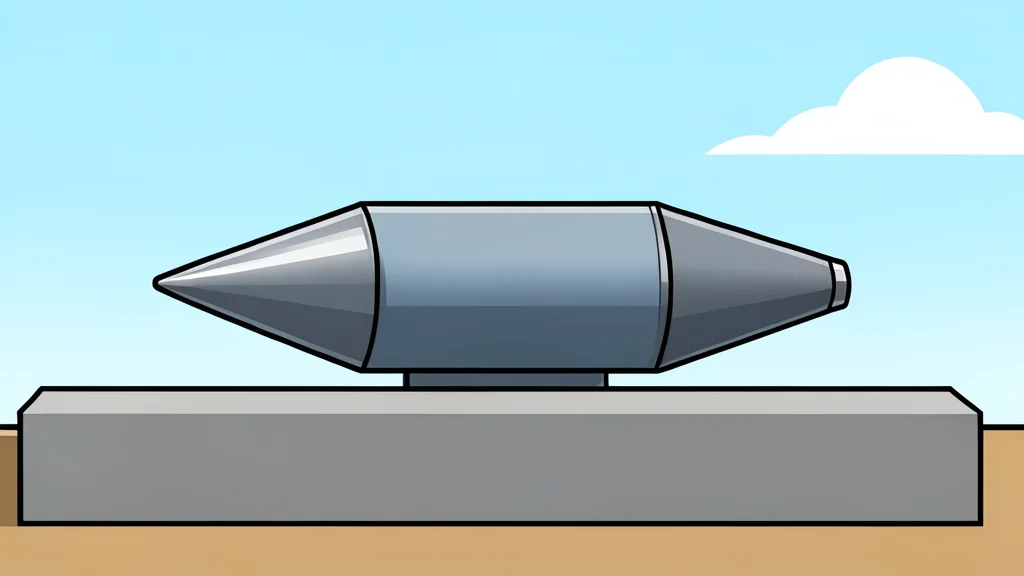
US Ambassador to NATO Matthew Whitaker has issued a stark warning that the global supply of Patriot interceptor missiles is failing to keep pace with rising international demand. Speaking at the Prague Defense Summit, Whitaker emphasized that the United States and its allies must "dig deep" to ensure Ukraine can maintain its air defense capabilities through the upcoming winter months. He noted that the current manufacturing capacity is insufficient to meet the immediate needs of the conflict, creating a significant logistical challenge for Western governments.
According to reports from GN geopolitics/nato, the shortage is driven by increased consumption of these systems in the Middle East, particularly for protecting US forces and Gulf allies from ballistic missile threats. Whitaker acknowledged that while Ukraine is working to develop sovereign interceptor capabilities, these local efforts will not resolve the immediate deficit. He stressed that the solution requires a collective approach, with allies contributing available stockpiles or facilitating sales to Kyiv to bridge the gap until new production lines can be scaled.
Production Limits and Export Hurdles
While some political figures have suggested that Ukraine could produce Patriot missiles under license, Whitaker clarified that this is a long-term strategy rather than a quick fix. He explained that negotiating export licenses and coordinating with intellectual property holders is a complex process that will not yield results in time for the current season. The focus, therefore, remains on sourcing existing inventory from allied nations to address the immediate defensive needs on the front lines.
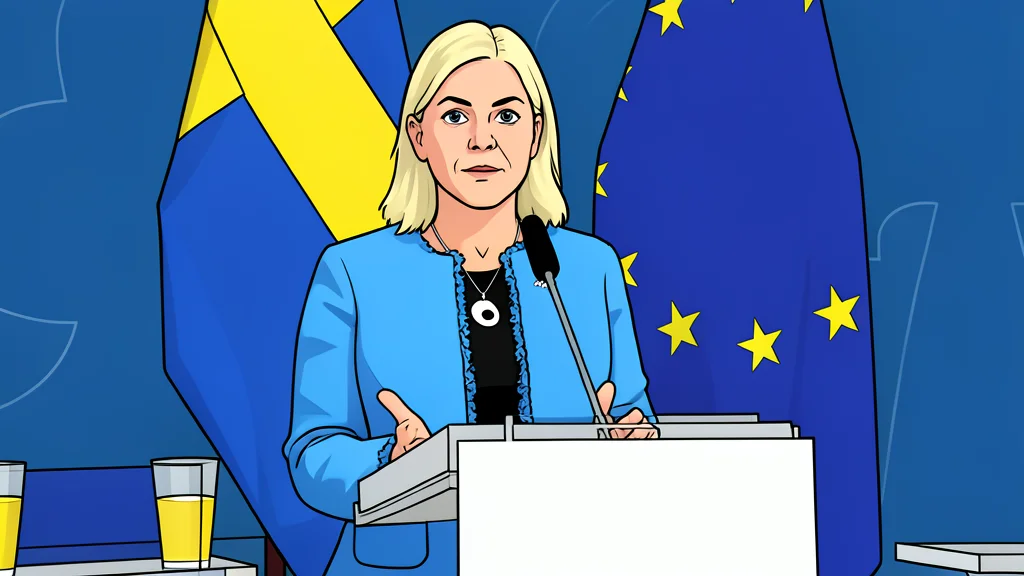
Swedish Defense Minister Pal Jonson indicated that his country has no spare missiles to provide but is in negotiations with partners outside the Euro-Atlantic area to secure additional units. He also highlighted ongoing discussions between Saab and Lockheed Martin regarding joint production, which could help alleviate the shortage in the medium term. These diplomatic and industrial efforts aim to create a more sustainable supply chain for critical air defense hardware.
Allied Contributions and Security Concerns
Poland has recently announced a new aid package for Ukraine that includes Patriot systems, although specific numbers remain classified. Lieutenant General Krzysztof Krol, a senior military adviser, stated that the delivery would occur "very soon" and that the quantity, while limited, represents the maximum capacity Poland can currently offer. He suggested that other frontline nations may follow suit, contributing to a broader coalition of support.
The urgency of these measures is underscored by recent escalations, including Russian drone strikes that prompted air raid sirens in eastern Poland. Polish Prime Minister Donald Tusk has warned of planned attacks on European countries supporting Ukraine, citing a rise in hybrid warfare tactics such as cyberattacks and sabotage. These developments have intensified the pressure on NATO members to bolster their collective air defense infrastructure.
Strategic Outlook for Winter Defense
The central question now is whether the combined efforts of Washington, Brussels, and other partners can secure enough interceptors to stabilize the skies over Ukraine before the winter weather sets in. With manufacturing constraints persisting and geopolitical tensions rising, the next few weeks will likely see intensified diplomatic activity aimed at unlocking stockpiles and accelerating production deals.
Observers will be watching for concrete announcements from European capitals regarding specific missile transfers and any progress on joint production agreements. The ability to maintain a robust air defense umbrella is viewed as a critical determinant of Ukraine's ability to sustain its defensive operations in the coming months.