Tehran Stages Mass Rally Amid Ongoing Regional Tensions
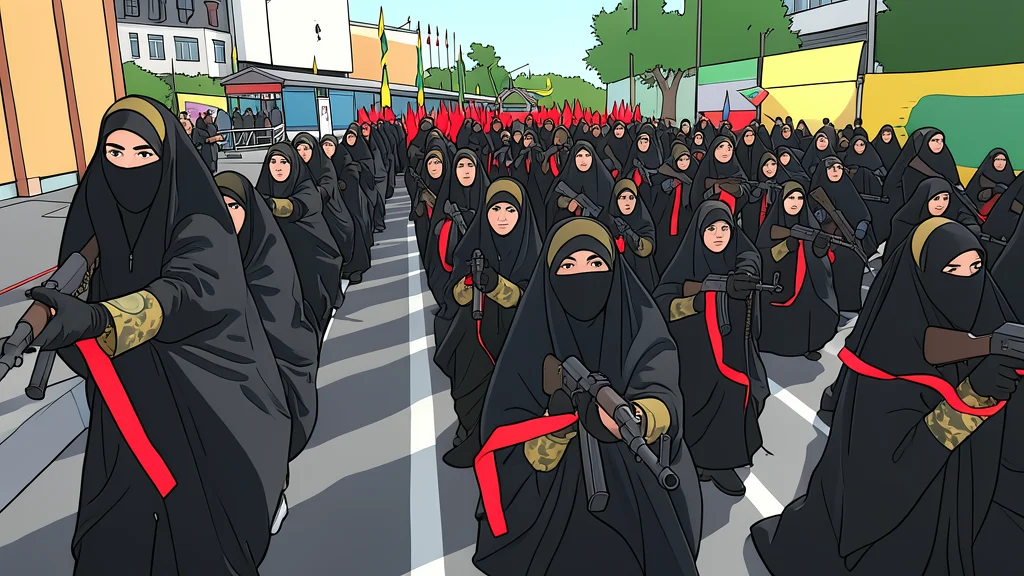
Hundreds of thousands gathered in the capital to signal resolve, even as diplomatic channels remain closed and economic pressures mount.
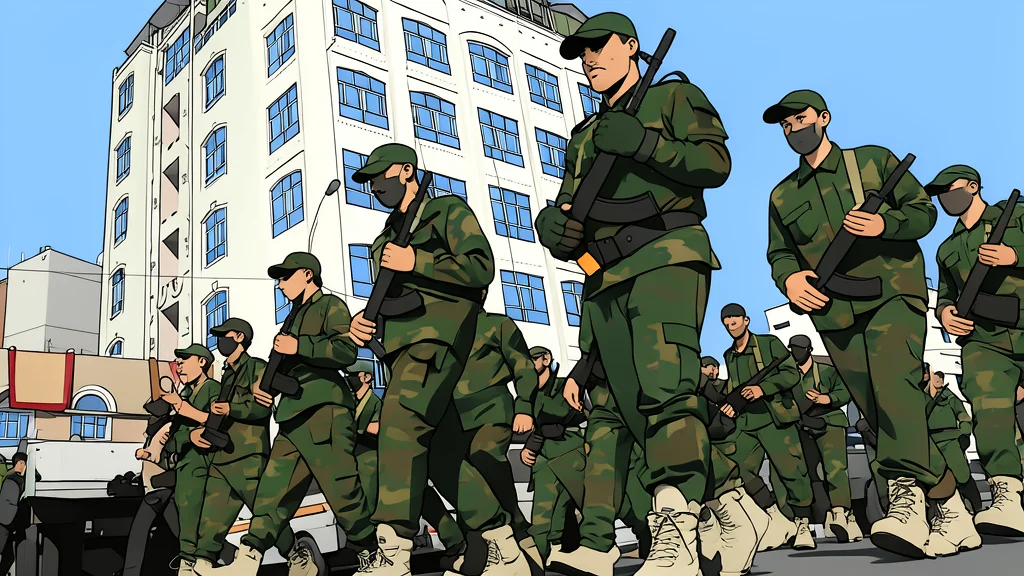
Tehran hosted what officials described as the largest public demonstration since the conflict began in February, with hundreds of thousands of participants filling the streets on Friday. According to Africanews, the event was organized by the government to project national unity during a period of heightened external pressure and military standoff.
The rally coincides with a complex geopolitical landscape, where a U.S. naval blockade of Iranian ports and new sanctions packages are intensifying economic strain. Despite these challenges, the gathering served as a platform for leaders to reaffirm their strategic position and signal to both domestic audiences and international observers that Tehran remains steadfast in its approach to the ongoing crisis.
Defiance Echoes in Public Sentiment
Speakers and attendees at the event expressed strong opposition to recent diplomatic overtures from Washington. One demonstrator, Morteza Kamalu, rejected the idea of negotiations with the United States, characterizing American political comments as insincere. He emphasized that there would be no peace deal or dialogue with what he termed the "murderer of our martyred leader," reflecting a widespread sentiment of refusal to engage with current U.S. policies.
Other voices in the crowd highlighted a readiness for defense rather than negotiation. Fatemeh Amiri, responding to hypothetical scenarios of ground invasion, stated that the population was prepared to resist with or without weapons, citing faith and national will as primary drivers of resilience. This rhetoric underscores a shift in public discourse toward defensive mobilization and skepticism toward external mediation efforts.
Strategic Control Over Vital Waterways
The demonstration also featured a display of military hardware, including drones previously used in operations near the Strait of Hormuz. Hossein Taeb, head of Iran’s paramilitary Basij force, asserted that Tehran would maintain full control over the strait and other critical maritime routes. He warned that any adversary would be forced to withdraw from the region, signaling a continued commitment to leveraging geographic leverage in the broader conflict.
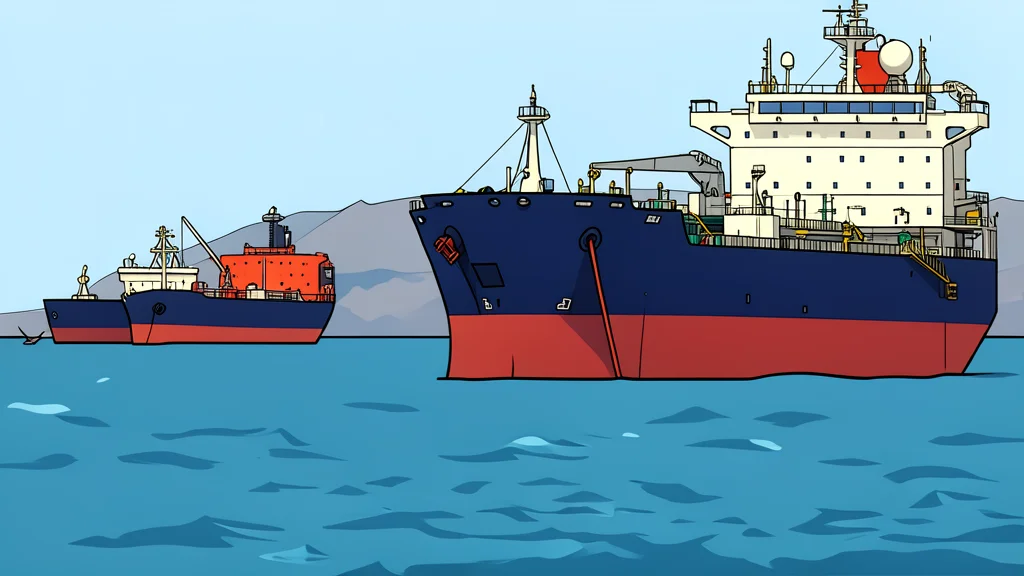
Iran has maintained its grip on the Strait of Hormuz since the start of the hostilities, a move that has significant implications for global energy markets. The disruption affects the flow of oil and natural gas from the Gulf to international consumers, highlighting the economic stakes involved in the standoff. This strategic positioning remains a central point of contention in the ongoing diplomatic and military friction.
Forward Watch on Regional Dynamics
As the situation evolves, attention will turn to how Tehran manages the balance between domestic mobilization and international economic pressure. The next steps may involve further testing of maritime capabilities or renewed attempts at indirect diplomatic engagement. Observers will closely monitor the impact of the naval blockade on Iranian infrastructure and the potential for escalatory rhetoric to translate into concrete military actions in the coming weeks.