NATO Intercepts Drone in Lithuanian Airspace Near Kaunas
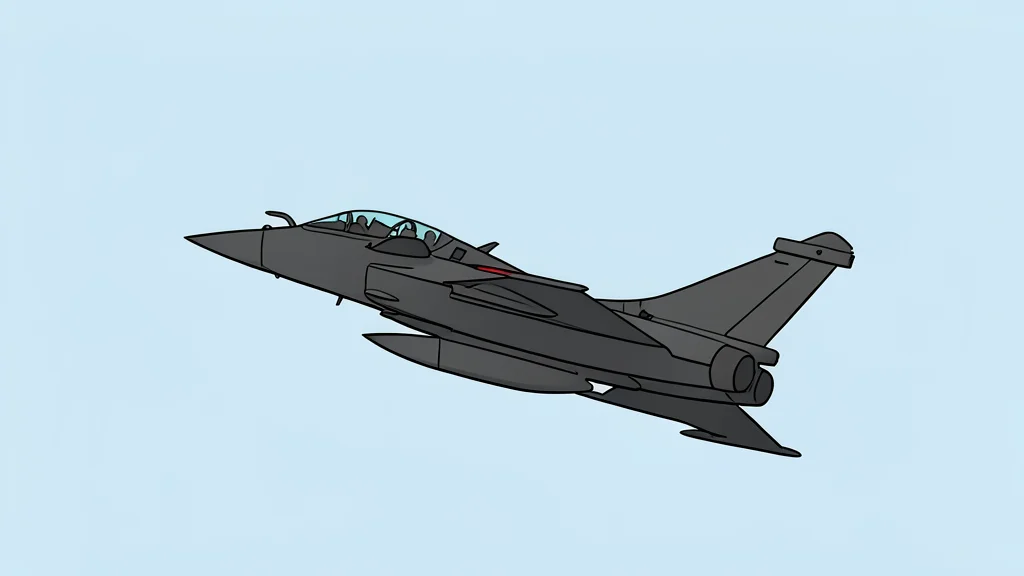
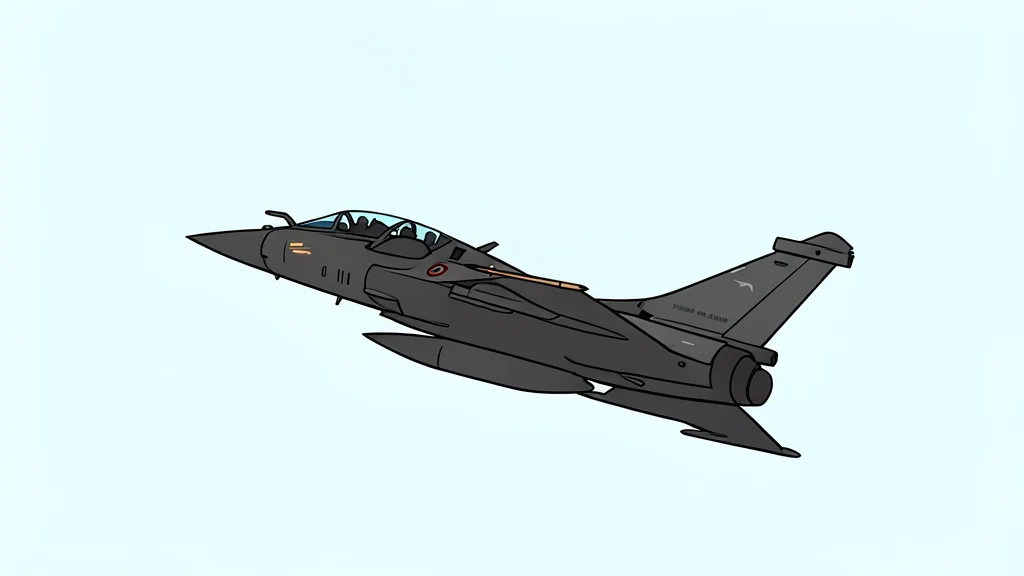
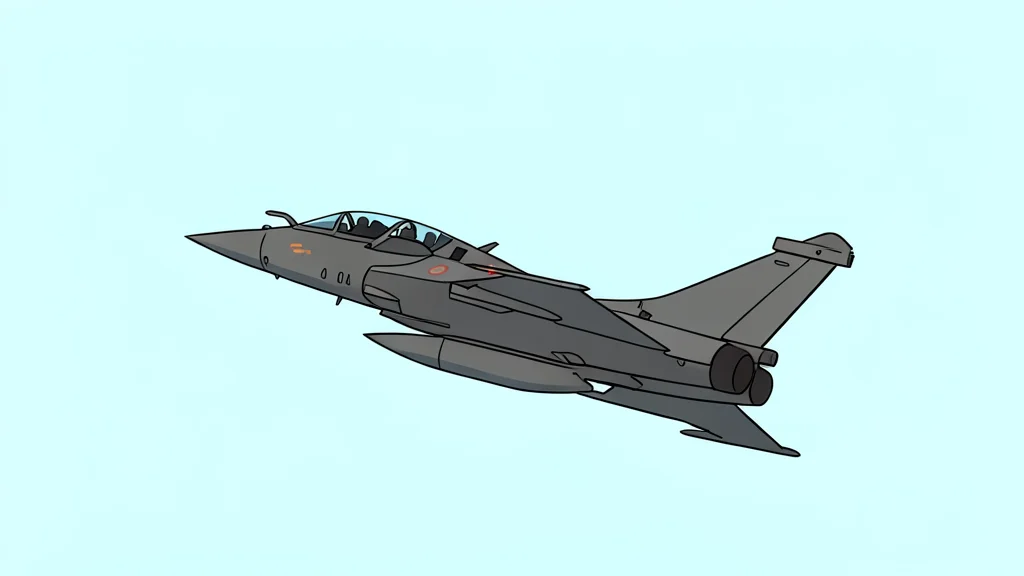
Lithuanian authorities confirmed that a drone entering the country's southern sector was destroyed by allied fighter jets, marking another instance of recent cross-border security incidents.
NATO fighter jets successfully neutralized a drone that penetrated Lithuanian airspace in the early hours of Tuesday, according to statements from the Lithuanian presidency. The incident occurred shortly after midnight, with authorities indicating the unauthorized aircraft likely originated from the direction of Belarus. President Gitanas Nausėda confirmed the interception, emphasizing the continued vigilance required in the region given the ongoing military conflict in Ukraine. While the specific origin and operator of the drone remain under investigation, the event underscores the persistent security challenges facing Baltic states that share borders with Russian-aligned territories.
Incident details and immediate response
The drone reportedly entered the airspace near Kaunas, the country's second-largest city, triggering a rapid response from NATO assets. A spokesperson for the Lithuanian national crisis management center stated that the origins of the device have not yet been determined, though the trajectory suggests it crossed from Belarus. Prior to the interception, drone alerts were issued in Vilnius and the surrounding capital region, prompting civilian precautions. The swift engagement by allied pilots highlights the pre-positioned readiness of forces in the area to protect sovereign airspace against potential threats.
Regional security implications
This interception occurs against a backdrop of increasing drone incursions across Europe since the start of Russia's full-scale invasion of Ukraine. According to GN geopolitics/nato, such events are part of a broader pattern of hybrid warfare tactics aimed at testing defensive capabilities and causing societal disruption. Lithuania, which shares a significant portion of its southern and eastern border with Belarus, a key Russian ally, faces particular exposure. President Nausėda noted that as aggression against Ukraine intensifies, maintaining high levels of readiness is vital for the stability and defense of the region.
Looking ahead to future developments
Analysts suggest that the coming days will focus on the forensic analysis of the downed drone to determine its make, model, and potential chain of command. This technical examination may provide crucial evidence regarding state sponsorship or the specific intent behind the incursion. Meanwhile, NATO allies are expected to maintain heightened air surveillance over the Baltic states. The diplomatic fallout and any subsequent policy adjustments by member states will be closely monitored, as the balance between deterrence and escalation remains a delicate priority for European security architects.