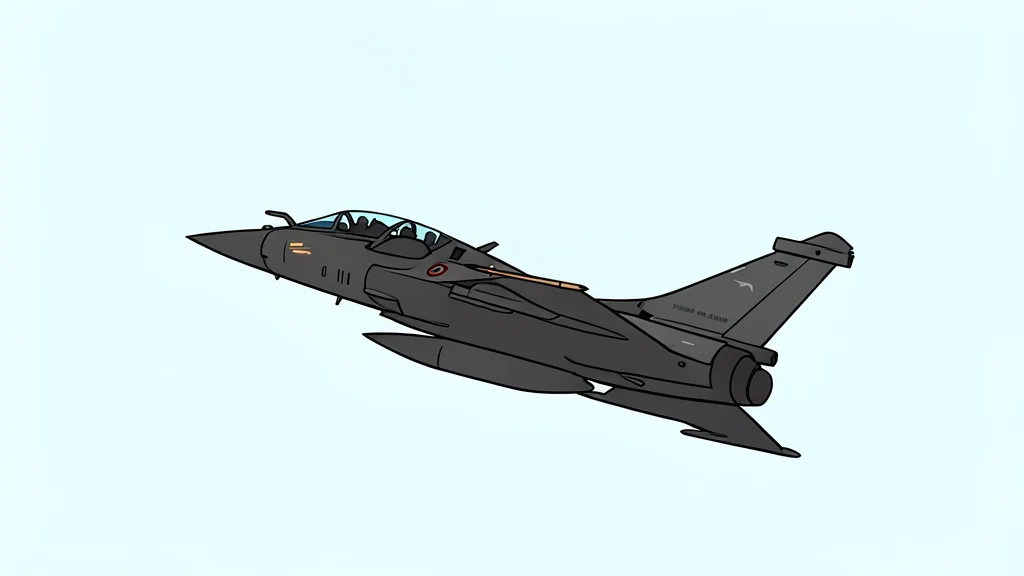
Nato Intercepts Drone Incursion Near Kaunas
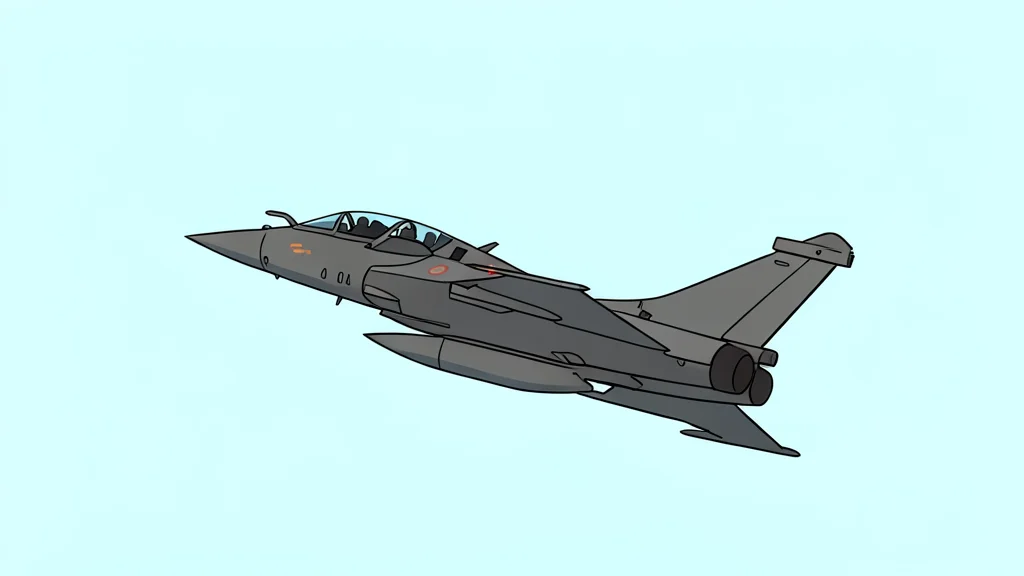
Lithuanian authorities confirmed that NATO fighter jets downed an unidentified drone entering southern airspace overnight, marking a significant escalation in regional security tensions.
Lithuanian President Gitanas Nausėda confirmed that NATO fighter jets destroyed a drone that entered the country's airspace shortly after midnight on Tuesday. The incident occurred near Kaunas, the nation's second-largest city, according to statements from the Lithuanian national crisis management centre. While the specific origins of the aircraft remain under investigation, officials indicated it likely crossed the border from neighbouring Belarus. This event follows a period of heightened alertness, with drone sightings reported in the capital Vilnius earlier in the week.
The Lithuanian Ministry of Defence described the response by its armed forces and Italian pilots serving in the NATO Air Defence Mission as swift and responsible. President Nausėda emphasized that such readiness is vital as Russia intensifies its aggression against Ukraine. He stated that Lithuania will continue to defend its airspace alongside its NATO allies. Moscow has not yet issued a public comment regarding the specific incident, leaving the geopolitical implications of the interception uncertain for the moment.
Regional Security Context
Military drone incursions have become increasingly common across Europe since the start of Russia's full-scale invasion of Ukraine. According to GN geopolitics/nato, these events are often linked to broader strategic tensions in the region. Lithuania shares a significant portion of its southern and eastern border with Belarus, a key ally of Moscow. This geographic proximity has made the Baltic states a focal point for security concerns, particularly as airspace violations continue to challenge regional stability.
In May, residents of Vilnius were forced to take shelter after a drone alert triggered brief groundings of flights and rail travel. Previously, on September 13, an object likely entering from Belarus traveled across Lithuanian territory before entering Russian airspace, though that incident did not trigger air threat alerts. These recurring events underscore the persistent challenges faced by Baltic nations in maintaining airspace integrity amidst ongoing regional conflict.
Precedents in Baltic Airspace
NATO jets have scrambled multiple times this year to intercept stray Ukrainian drones that crossed into Estonia and Latvia. Ukraine has attributed these stray drones to Russian electronic warfare, which is designed to alter the flight paths of Ukrainian aircraft. The Baltic states joined NATO in 2004, becoming signatories to Article 5, which stipulates that an armed attack against one member is considered an attack against all. This collective defence framework remains central to the region's security posture.
Forward Security Considerations
Observers will closely monitor official responses from Moscow and the outcomes of the investigation into the drone's origin. The frequency and nature of future airspace violations will likely influence NATO's operational posture in the Baltic region. As tensions persist, the balance between defensive readiness and diplomatic engagement remains a critical factor for regional stability.