NATO Intercepts Drone Near Critical Lithuanian Energy Infrastructure

Lithuanian President Gitanas Nauseda confirmed that NATO fighter jets destroyed an unauthorized drone in national airspace, highlighting persistent security tensions along the alliance's eastern flank amid ongoing regional conflicts.
Lithuanian President Gitanas Nauseda announced that NATO fighter jets successfully intercepted a drone that had entered Lithuanian airspace. The incident occurred against a backdrop of heightened alertness within the alliance regarding potential spillover effects from the Russia-Ukraine war. While the President did not explicitly identify the origin of the drone, he attributed the threat to Russian aggression, emphasizing the necessity of maintaining high readiness levels in the region.
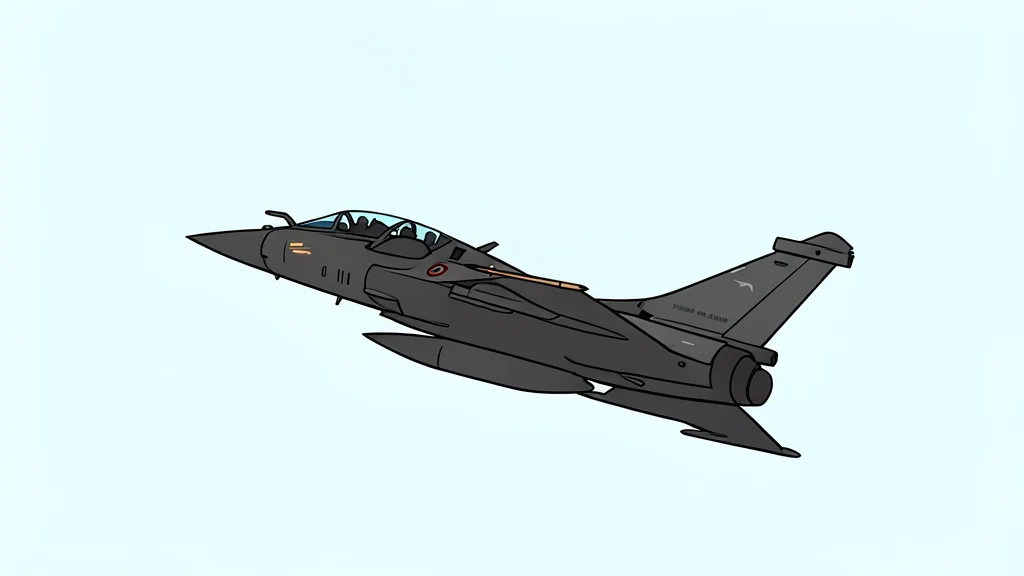
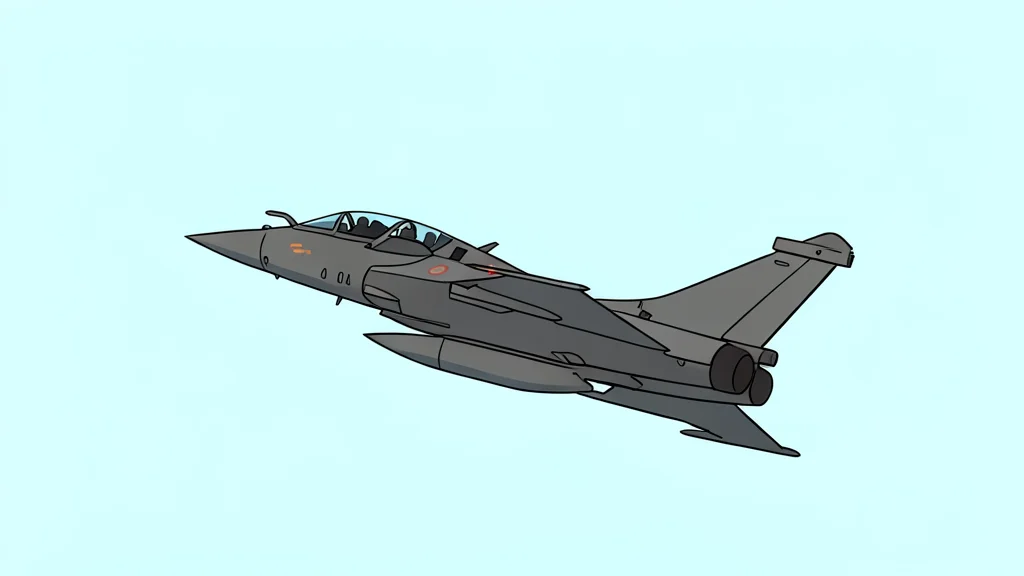
According to the Lithuanian Defense Ministry, Italian pilots were specifically commended for their swift and responsible response in neutralizing the threat. Nauseda stated on social media that the drone was destroyed immediately upon entry into the country's sovereign air space. He expressed gratitude to Allied personnel for their quick action and reaffirmed Lithuania's commitment to defending its airspace in coordination with NATO partners.
Drone Path Traced to Belarus
Vilmantas Vitkauskas, head of Lithuania’s National Crisis Management Center, confirmed via LRT radio that the drone crossed into Lithuanian territory from the direction of Belarus. This detail adds a layer of complexity to the incident, given Belarus's close military ties with Russia. The interception serves as a clear demonstration of the integrated air defense mechanisms currently in place along the NATO eastern border.
The specific location of the interception appears to be of strategic significance. Sources cited by the Lithuanian outlet Lrytas indicated that the drone was downed near a village close to the Kruonis Pumped Storage Plant. This facility is the only pumped storage plant in the Baltic states and plays a critical role in the regional energy grid, responsible for a vast majority of Lithuania's emergency energy reserves.
Energy Infrastructure Under Scrutiny
The proximity of the incident to the Kruonis plant echoes warnings issued by the Lithuanian Defense Ministry just last month. Officials had cautioned that critical infrastructure, including the Kruonis plant, the Klaipeda LNG terminal, and the LitPol Link electricity interconnector, could be targeted by redirected drones. The fact that the drone was intercepted near such a vital asset underscores the vulnerability of energy systems to asymmetric threats.
Contextualizing the event, the Baltic states have become a focal point for security concerns due to their geographic position. According to reporting by GN geopolitics/nato, the region has experienced a series of close calls, including recent radar anomalies near Vilnius Airport that temporarily diverted flights. While those targets were later identified as a flock of birds, the frequency of such alerts illustrates the strain on local air defense systems.
Political Fallout in Latvia
The current incident follows a significant political crisis in neighboring Latvia earlier this year. In May, two Ukrainian drones, likely intended for targets within Russia, strayed into Latvian airspace. One struck an empty fuel storage tank while the other landed harmlessly. The delayed and inadequate government response to that event triggered a public uproar and ultimately led to the collapse of the Latvian government.
The contrast between the Latvian political crisis and the current Lithuanian military response highlights the varying degrees of preparedness and political stability in the region. As NATO members brace for potential further incidents, the focus remains on the rapid coordination capabilities of allied air forces and the resilience of critical infrastructure. Observers are now watching how the alliance will characterize this latest interception and whether it will lead to further diplomatic engagements or defensive realignments.