NATO Military Chiefs Convene in Copenhagen to Plan Deterrence
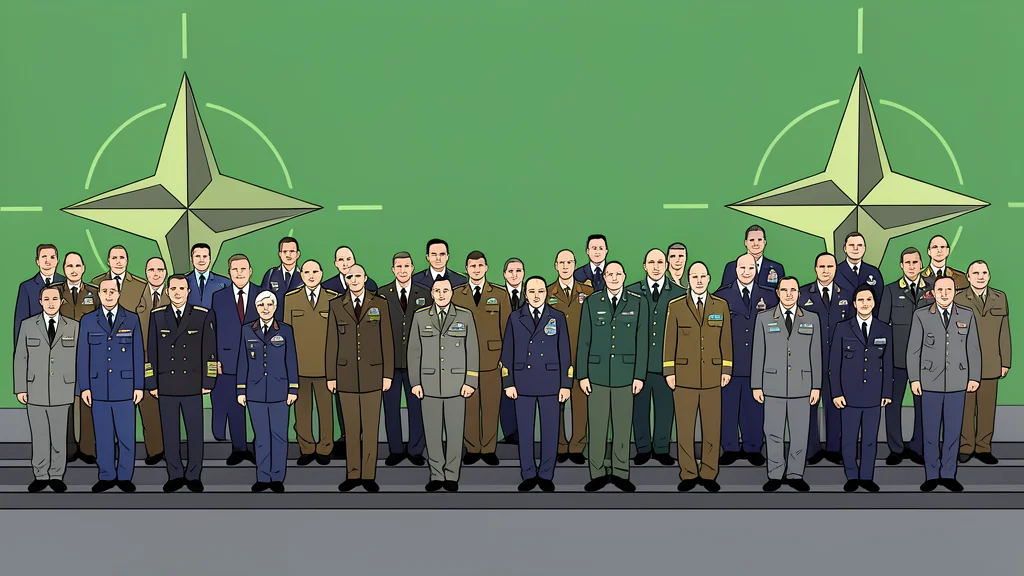
Allied defence ministers gathered in Denmark to finalize strategies for collective defense and technological integration following the Ankara Summit.
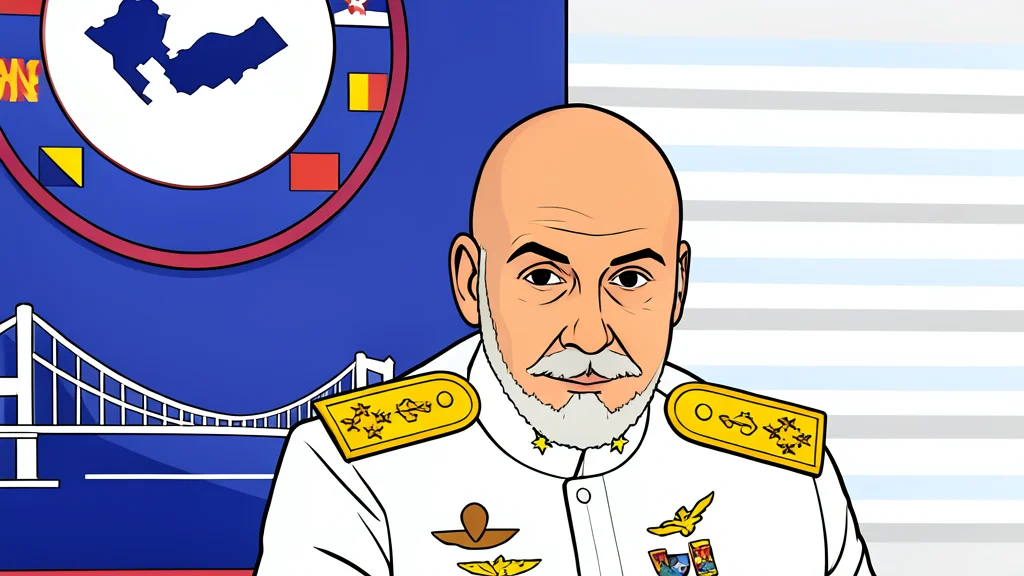
The NATO Military Committee convened its annual conference in Copenhagen, bringing together thirty-two Allied Chiefs of Defence and two Strategic Commanders under the leadership of Chair Admiral Giuseppe Cavo Dragone. According to GN geopolitics/nato, the primary objective of the gathering was to translate the political decisions made at the recent NATO Summit in Ankara into concrete operational capabilities, with a specific focus on enhancing collective deterrence and defense.
The discussions emphasized the urgent need to move beyond budgetary commitments and toward the delivery of tangible security assets. Key topics included the rapid adoption of new defense strategies and the integration of advanced technologies, particularly in support of Ukraine. The committee sought to ensure that the Alliance remains ready to defend all allied territories while responding to recent aggressive actions by Russia.
Shift from Financial Pledges to Operational Reality
Admiral Cavo Dragone highlighted a critical transition in the Alliance’s approach, stressing the necessity of delivering capabilities that strengthen defense rather than merely discussing financial targets. He noted that the current phase requires a shift from abstract budget commitments to the practical implementation of resources that enhance deterrence. This strategic pivot aims to ensure that technological advances are adopted quickly and effectively to meet emerging security challenges.
During a joint press conference, the Chair affirmed the solidarity among Allied forces, reaffirming NATO’s readiness to defend its member states. He underscored the importance of maintaining a strong defensive posture in response to the evolving security environment. The emphasis on rapid strategy adoption signals a desire to keep pace with modern warfare dynamics and ensure that all members are equipped with the necessary tools for self-defense.
Industry Signals and Ukrainian Support
General Michael Wiggers Hyldgaard also addressed the assembly, reiterating the Allies’ unwavering commitment to supporting Ukraine in maintaining its freedom and security. He pointed out that a significant part of the conference’s work involved sending clear messages to the defense industry. The goal is to ensure that manufacturers can meet military needs effectively and with the speed required by current geopolitical conditions.
The focus on industry collaboration reflects a broader recognition that sustaining long-term conflict support requires robust supply chains and accelerated production timelines. By aligning military requirements with industrial capabilities, the committee aims to bridge the gap between strategic intent and operational execution. This approach is seen as essential for maintaining the flow of critical equipment and support to Ukraine while bolstering overall Allied readiness.
Leadership Transition and Future Agenda
A significant outcome of the Copenhagen conference was the election of General Carsten Breuer, Chief of Defence of Germany, as the next Chair of the NATO Military Committee. He is set to assume the role in summer 2027 for a three-year term, marking a key leadership transition for the organization. The committee will continue its regular meetings, with the next plenary session planned for January 2027 in Brussels.
As the Alliance looks toward the next phase of its strategic planning, the focus will remain on implementing the decisions taken in Ankara and Copenhagen. Observers will watch how the new leadership approach the ongoing challenges of technological integration and industrial capacity. The coming months will likely see further developments in how NATO coordinates its defense efforts and supports its partners in the region.