NATO Secretary General Frames European Autonomy During UK Visit
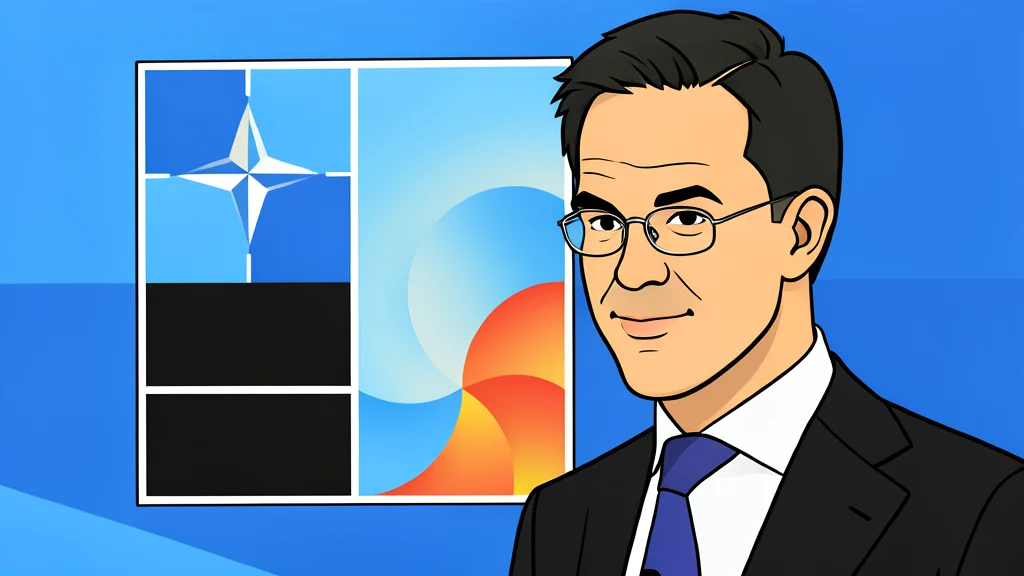
NATO Secretary General Mark Rutte emphasized a shift toward greater European defense responsibility during a high-profile visit to the United Kingdom, engaging with policymakers and industry leaders in Oxfordshire.
NATO Secretary General Mark Rutte concluded a two-day itinerary in the United Kingdom on Wednesday, September 16, 2026, by meeting with Prime Minister Andy Burnham. The diplomatic engagement focused on strengthening transatlantic ties while simultaneously outlining a strategic pivot toward increased European contributions to collective security, according to statements released by the alliance.
The visit included a tour of the Harwell Science and Innovation campus in Didcot, where Rutte engaged directly with staff from the defense sector, apprentices, and university researchers. During these interactions, the Secretary General sought to highlight the economic benefits of defense spending, framing industrial growth as a critical component of national security rather than merely a military expenditure.
Economic Dividends of Defense Investment
Rutte argued that robust defense investment yields a significant societal dividend, generating jobs and stimulating broader economic activity. He specifically praised the United Kingdom for its advanced technological capabilities and its network of world-class universities, viewing these assets as central to maintaining competitive advantages in modern warfare. By linking industrial policy to security strategy, the NATO chief aimed to reinforce the idea that economic resilience and military readiness are inextricably linked.
According to GN geopolitics/nato, Rutte commended the UK for its role as a leading force within the alliance, noting that its industrial base supports broader NATO objectives. This emphasis on economic integration reflects a broader trend among alliance members to diversify supply chains and reduce reliance on external partners for critical defense materials, thereby enhancing strategic autonomy.
Defining the NATO 3.0 Concept
Later in the day, the Secretary General delivered the annual lecture at The Ditchley Foundation in Oxfordshire, where he articulated the concept of NATO 3.0. He described this framework as a model where Europe, alongside Canada, assumes a larger share of the burden for its own security. The goal, he stated, is to remain transatlantic while becoming more European, with member states spending more and producing more to address evolving security challenges.
This strategic redefinition suggests a shift from a purely defensive alliance to one that actively shapes the security environment through increased industrial and financial contributions. By positioning Europe as the primary actor in its own defense, Rutte indicated that the alliance expects greater self-sufficiency among its European members, reducing the long-term dependency on cross-Atlantic resources while maintaining institutional unity.
Response to Russian Hostile Actions
Addressing the ongoing geopolitical tensions, Rutte emphasized that NATO will not be intimidated by what he described as Russia’s dangerous and reckless campaign against the alliance. He credited the United Kingdom for leading, alongside other allies, the pushback against these hostile actions. The Secretary General asserted that such aggressive behavior will only result in NATO doing more to support Ukraine, signaling a commitment to sustained assistance despite the risks.
The forward question now lies in how member states translate these rhetorical commitments into concrete budgetary and industrial policies. Observers will watch closely whether the proposed NATO 3.0 framework leads to tangible increases in European defense production and whether the alliance can maintain cohesion in the face of continued pressure from Moscow.