NATO Urged to Track Russian Military Reconstitution Capacity
Western analysts suggest that assessing how quickly Moscow can replace losses may be as critical as tracking current battlefield performance.
A senior specialist in Russian military strategy has advised the North Atlantic Treaty Organization to broaden its intelligence focus beyond immediate battlefield adaptations. According to Roger McDermott, writing for Breaking Defense and referenced by GN geopolitics/nato, NATO should evaluate the Russian Federation's institutional capacity to reconstitute military capabilities after suffering significant losses. This approach shifts the analytical lens from static force structures to the dynamic process of how Moscow replaces personnel and equipment.
The argument rests on the premise that combat experience gained by specific units in Ukraine does not automatically translate into a uniform capability across the entire Russian armed forces. While individual brigades have developed proficiency in drone usage and electronic warfare, the broader military apparatus is still attempting to codify these lessons into a systematic training doctrine. The central question for Western policymakers is not just what Russia can do today, but how rapidly it can restore disrupted functions tomorrow.
Institutionalizing Combat Lessons
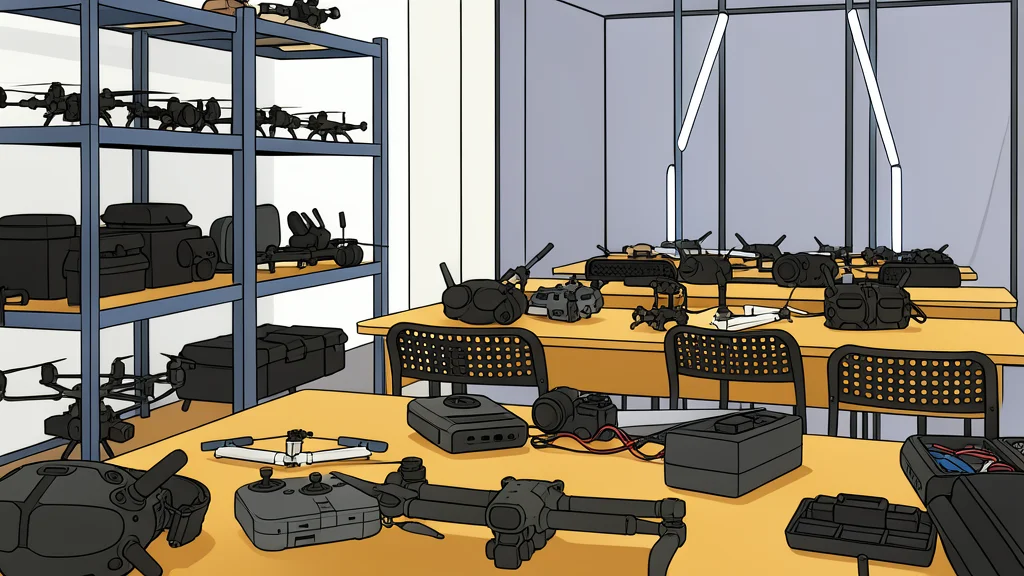
McDermott notes that the Russian General Staff and Ministry of Defense are working to create a formal structure for consolidating war experience. This involves establishing military-scientific committees, research institutes, and specialized training centers designed to test and reproduce effective tactics. The development of unmanned systems serves as a primary example of this shift, where initial ad-hoc efforts by various actors are being formalized into permanent command structures with dedicated educational tracks.
Recent figures cited in the analysis indicate that Moscow claims to have trained thousands of specialists for its unmanned systems forces in recent months. The ministry reports a strategic pivot from training individual operators to conducting collective exercises with formed units using assigned equipment. This suggests an effort to move beyond isolated expertise toward standardized, repeatable operational procedures that can be maintained even when specific personnel are lost.
Metrics for Monitoring Reconstitution
To track this evolution, NATO intelligence agencies are encouraged to monitor specific institutional indicators rather than relying solely on production rates or equipment counts. Key signals include changes to military educational curricula, the creation of new qualification systems, and the appointment of specialized instructors. Expansion of training centers and updates to collective training standards would also serve as early warnings of increasing reconstitution speed.
Operational planning must account for the resilience of these systems. If Russia has successfully transferred experience through standardized procedures and established supply chains, the destruction of a specialist group may only cause temporary disruption. Conversely, if knowledge remains concentrated in a few individuals, a targeted strike could have lasting effects. This distinction is crucial for understanding the durability of Russian military operations.
Limitations of Systematic Training
Despite the push for institutionalization, analysts caution that this process faces inherent challenges. Lessons learned on the Ukrainian front may become outdated before they are fully disseminated to all units. Scaling up training programs often risks reducing the quality of instruction, and tactics effective in one specific theater may not translate to different operational environments. This complexity requires a nuanced assessment of both the strengths and the bottlenecks in Russian military adaptation.
The forward-looking implication for NATO is that future assessments must weigh the speed of reconstitution against the depth of institutional change. Watching for signs of standardized replacement mechanisms will provide a clearer picture of long-term strategic stability than simple inventory counts. The focus remains on understanding how effectively Moscow can sustain its war effort through systemic reinforcement rather than just immediate tactical responses.