Parliament Questions Sustainability of British Steel Strategy
A parliamentary committee has concluded that the government lacks a credible roadmap for making the nationalised steelmaker profitable, warning of rising costs for workers and taxpayers.
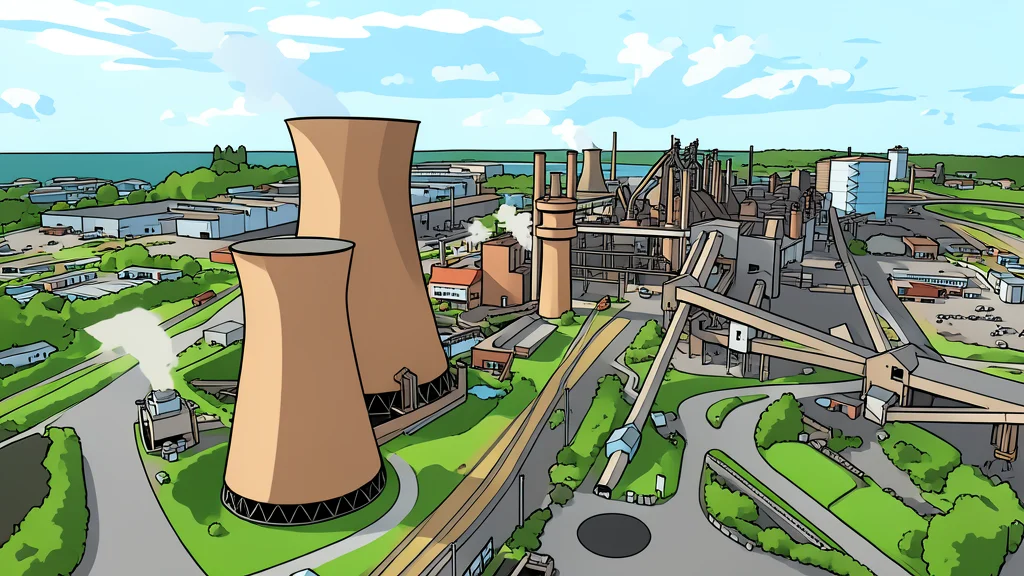
Members of the Public Accounts Committee have stated that the Department for Business, Innovation, Science and Trade has failed to provide a convincing plan for how British Steel will achieve long-term profitability. The committee’s findings, released on Friday, highlight significant gaps in the government's approach to managing the nationalised entity, which operates its primary facilities in Scunthorpe and Teeside. According to the report, the inability to present clear cost estimates and a viable business model creates a precarious situation for the sector.
The government took control of British Steel in July of last year following an emergency legislative process, aiming to prevent the closure of key blast furnaces. While officials assert that securing the industry's future is in the national interest, the committee argues that the current strategy leaves the company’s 4,052 employees and the wider economy exposed to continued uncertainty. A spokesperson for the department acknowledged the report and said it would review the recommendations, emphasizing the commitment to a sustainable and competitive steel sector.
Uncertainty over nationalisation costs
Financial transparency remains a central concern for the committee, which noted that the government could not provide definitive estimates for the total cost of nationalisation. Initial projections suggested expenses would reach £642 million by June of this year, but subsequent government figures placed the amount at £555 million. This discrepancy, along with the lack of a detailed path to profitability, leads the committee to warn that without a credible long-term plan, financial burdens on taxpayers and industry participants will likely escalate.
Tariff regime impacts on industry
The report also scrutinizes the recent changes to steel import tariffs, which were implemented to protect domestic production from overseas dumping. From July, the tariff-free quota was reduced by 51%, and import taxes were doubled to 50% for volumes exceeding specific thresholds. However, according to the committee, many manufacturers rely on steel grades that are not produced in the UK. This forces them to pay tariffs on essential materials, increasing operational costs for smaller firms and potentially driving some companies to relocate production abroad or face insolvency.
Future outlook and strategic gaps
The government’s steel strategy aims to ensure that 50% of steel used in the UK is produced domestically, a target that remains vague in terms of timeline. The strategy favors electric arc furnaces over traditional blast furnaces, a shift that has already resulted in job losses at other sites. The committee recommends that the government establish a formal route for companies to raise concerns about the tariff regime. As the sector transitions, the next critical step will be observing whether the department can present a concrete financial roadmap that balances national security interests with economic viability.