Podolyak Warns Europe Lacks Willpower to Deter Russia

Ukrainian adviser argues that while NATO holds a technological advantage, the continent lacks the political resolve to withstand Russian provocations.
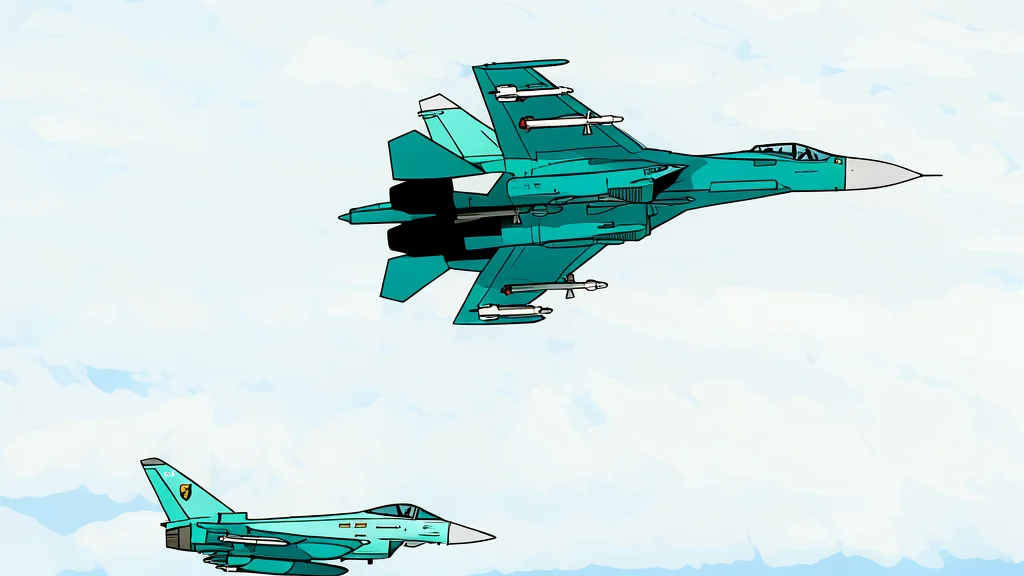
Mykhailo Podolyak, an adviser to the Ukrainian presidential office, has asserted that Russia lacks the necessary resources to engage in a direct military confrontation with the North Atlantic Treaty Organization. According to reports from GN geopolitics/nato, this assessment comes amid a recent surge in sabotage incidents and heightened tensions across European borders. Podolyak suggests that the strategic imbalance is not defined by hardware or technology, but rather by the political will required to sustain a prolonged conflict.
The adviser emphasized that Europe possesses a significant technological and engineering advantage over Moscow, even in a scenario excluding the United States. However, he warned that this material superiority is insufficient without the collective determination to accept the costs of a bloody war. Podolyak noted that Russia, having engaged in five years of active combat in Ukraine, is more psychologically and logistically prepared for such a scenario than its European counterparts.
Technological Edge Versus Political Will
Podolyak’s analysis draws a sharp distinction between military capability and strategic readiness. He argues that while European nations are head and shoulders above Russia in terms of high-tech solutions and military decision-making, they lag significantly in their willingness to engage in large-scale combat. This gap in willpower, he contends, is the critical variable that could determine the outcome of any potential conflict.
The adviser stressed that the current geopolitical environment requires Europe to move beyond defensive posturing and develop a robust offensive mindset. Without this shift in political resolve, he believes the technological advantages held by NATO members may not be fully utilized or sustained in a high-intensity confrontation with Moscow.
Assessment of Russian Air Threats
Podolyak also addressed the potential for massive Russian air attacks on European civilian populations. He warned that such strikes would likely generate widespread panic, as Russia is perceived to disregard conventional rules of warfare. The adviser cautioned that the use of missiles and drones against civilian infrastructure would be a deliberate tactic to destabilize societies and undermine the political will to resist.
This perspective highlights the vulnerability of European public opinion to asymmetric threats. According to Podolyak, the Kremlin is unlikely to fight fairly and may instead rely on shock and awe tactics to fracture the unity of the alliance. He urged European leaders to adequately assess these risks and prepare their populations for the psychological impact of such attacks.
Implications for European Security Policy
The recent increase in provocations and sabotage acts in European countries underscores the urgency of Podolyak’s warnings. These incidents have raised the stakes for regional security and highlighted the need for a more cohesive defense strategy. The adviser’s comments suggest that Europe must bridge the gap between its technological capacity and its political readiness to deter Russian aggression.
Moving forward, the focus will likely shift to how European nations respond to these challenges. Will they invest in greater military readiness and public resilience, or will political hesitation continue to define their approach? The coming months will be critical in determining whether Europe can develop the willpower necessary to stand firm against Russian provocations.