Nigeria Treats Bye-Elections as Critical Rehearsal for 2027
INEC officials describe recent multi-state polls as essential stress tests for the infrastructure required ahead of the next general election.
Nigeria’s Independent National Electoral Commission has framed its recent bye-elections across four states not merely as local contests, but as vital operational benchmarks for the 2027 general election. According to the commission, these off-cycle polls serve as a practical audit of the logistical and technological frameworks necessary for a nationwide vote.
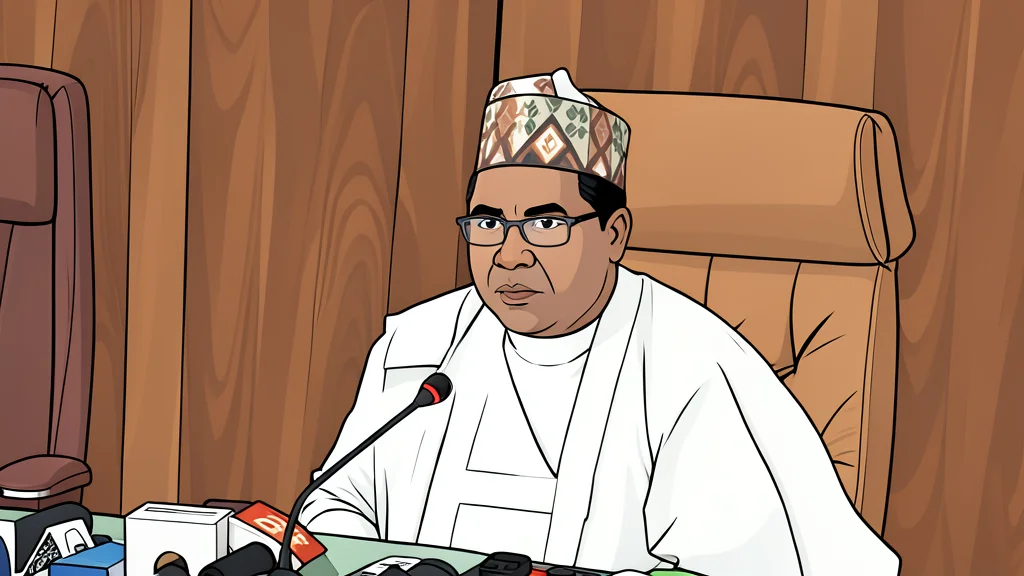
Prof. Joash Amupitan, the INEC Chairman, emphasized during a review at the National Situation Room in Abuja that no electoral exercise should be viewed as routine. The commission’s stance suggests that the outcomes and challenges of these specific contests will directly inform the strategic roadmap for the upcoming national elections.
Multi-State Polls Serve as Benchmark
The recent elections took place in the Gombe/Kwami/Funakaye federal constituency, the Dawakin Kudu state constituency in Kano, the Sakwa and Disina state constituencies in Bauchi, and the Udu state constituency in Delta. As reported by GN auto geopolitics/africa: Nigeria elections, the commission treats these diverse geographic and political environments as critical test cases for its broader operational capabilities.
Officials stated that these exercises allow the body to stress-test technological deployments and evaluate field readiness. By monitoring these specific regions, the commission aims to identify systemic weaknesses before they are exposed on a larger scale during the general election cycle.
Proactive Crisis Resolution in Focus
Amupitan stated that the primary mandate of the Situation Room is monitoring and resolving issues before they escalate. He noted that administrative bottlenecks encountered prior to polling days were identified and addressed swiftly, a process the commission describes as a core component of its integrity maintenance strategy.
The chairman assured the public of the commission's commitment to refining its processes. He highlighted that the seamless coordination between the technical team and field operations during these multi-state events has provided valuable lessons for improving efficiency and public confidence in future electoral processes.
Preparing for the 2027 General Election
The commission’s leadership has explicitly linked the performance of these bye-elections to the broader preparations for 2027. Amupitan argued that viewing any single election as trivial undermines the cumulative nature of electoral infrastructure development. Each event is seen as a step in a continuous process of auditing and improving the system.
As preparations for the 2027 general election gather momentum, the focus remains on translating the lessons from these regional polls into a robust national strategy. The next phase will likely involve a deeper analysis of the logistical data collected from these four states to ensure that the infrastructure can withstand the pressures of a full national vote.