Poland Warns of Likely Russian Tests of NATO Resolve
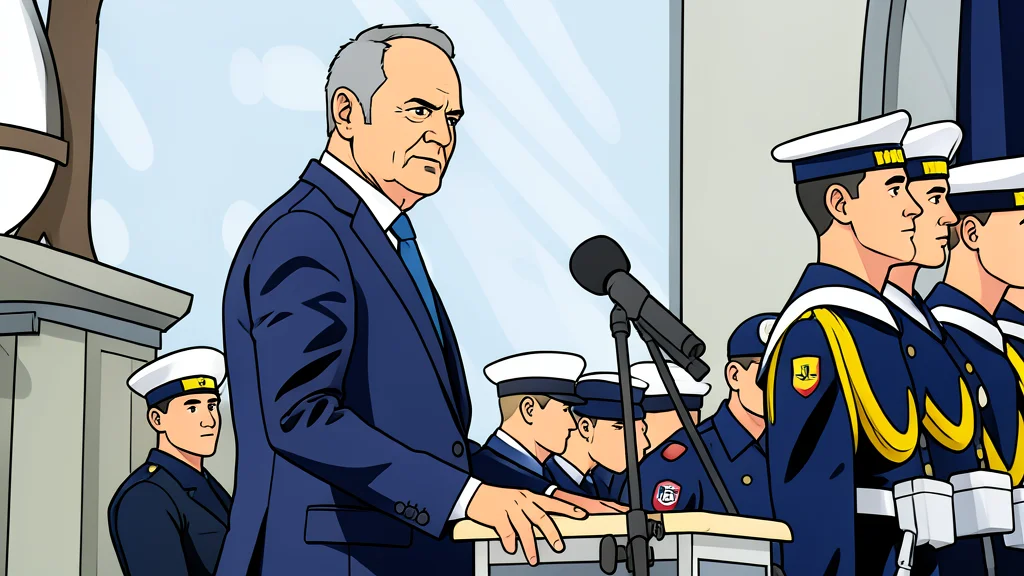
Warsaw asserts that Moscow is preparing hybrid strikes designed to blur the line between accident and aggression, forcing a difficult calculation on collective defense.
Polish Prime Minister Donald Tusk warned parliament on Thursday that Russia is likely to test NATO’s cohesion in the coming months through deliberate strikes portrayed as accidental. Citing intelligence assessments described as highly consistent, Tusk stated that Moscow may employ hybrid drone and missile attacks against nations supporting Ukraine, including Poland, to create uncertainty regarding the invocation of Article 5. The prime minister emphasized that this scenario is currently viewed as the most probable development, requiring the public and military to maintain a state of serious mental readiness.
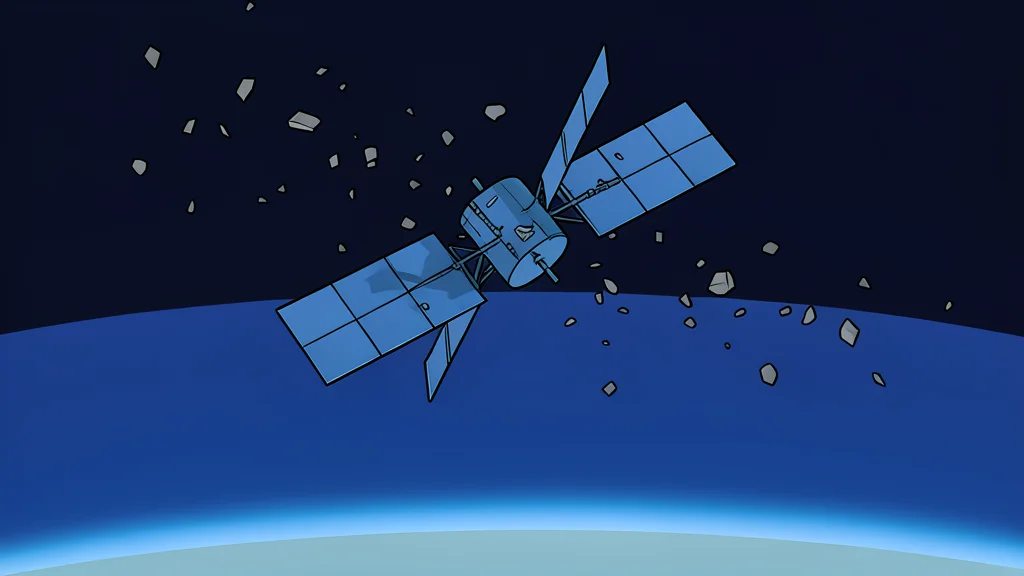
The warning comes amid heightened tensions along the eastern border, where recent incidents have required rapid military responses. Tusk noted that a jet-powered Russian drone recently approached Polish airspace during an attack on western Ukraine before crashing or being shot down near the Yahodyn-Dorohusk crossing. While Polish authorities confirmed no violation of sovereign airspace, the proximity of these strikes has intensified concerns about the stability of the region. According to reports from the GN geopolitics/nato desk, these events are part of a broader pattern of pressure on NATO’s eastern flank.
Blurring the line of aggression
Tusk explained that the core of the anticipated Russian strategy is to generate ambiguity about the nature of these attacks. By framing deliberate incursions into NATO territory as unintended accidents, Moscow aims to weaken the alliance's willingness to respond collectively. The prime minister argued that such tactics are designed to demonstrate that Article 5, which treats an attack on one member as an attack on all, exists only in theory rather than practice. This approach seeks to exploit the political and legal complexities of determining intent during kinetic conflicts.
The Polish leader stated that the intelligence backing this assessment has been discussed for some time but has recently become more convincing. He noted that he had received detailed reports from CIA Director John Ratcliffe a week earlier, though he did not explicitly link the two. The emphasis on consistency in the intelligence data suggests a shift from speculative threats to actionable warnings, prompting Warsaw to prioritize transparency with its citizens regarding the potential risks ahead.
Escalation near the border zone
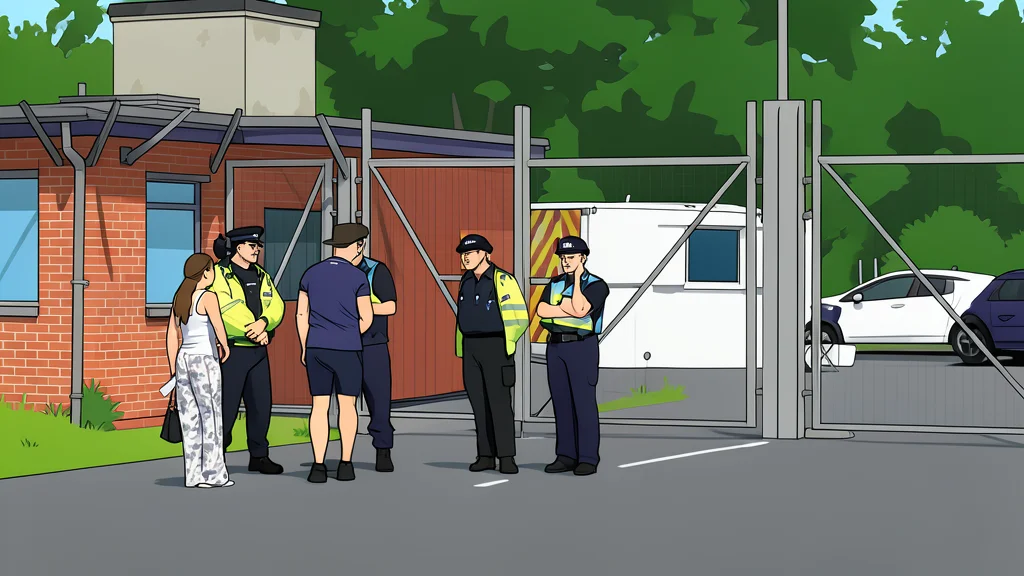
Recent days have seen a series of incidents near the Polish-Ukrainian border that have triggered significant defensive measures. Air raid sirens sounded in parts of eastern Poland, and flights at Lublin and Rzeszów airports were temporarily suspended as military aircraft operated in the area. On Sunday, drones struck a locomotive of a Kyiv-Warsaw passenger train and a petrol station near the border crossing, underscoring the physical proximity of the conflict to NATO territory. These events have kept Polish forces on heightened alert throughout the ongoing war.
Tusk highlighted that the recent attacks are causing particular concern due to their frequency and location. He argued that the public has a right to know the most likely scenarios for the near future, especially those envisaging serious events. The prime minister stressed that the situation requires focus and seriousness, as the alliance faces difficult tests of its unity and response capabilities. The military confirmed that while the threat level remains high, Polish airspace has not been formally violated in the recent incidents.
Critical phase ahead for Ukraine
Beyond the immediate security concerns for NATO members, Tusk warned that late autumn and winter will represent the most critical period of Russia’s war against Ukraine. He described a Moscow strategy aimed at destroying Ukraine’s economy and logistics infrastructure on a large scale. This broader context suggests that the potential strikes on Poland are not isolated incidents but part of a coordinated effort to pressure both Kyiv and its supporters. The coming months are thus expected to be defined by intense strategic maneuvering and heightened risk.
As Poland remains one of Kyiv’s staunchest allies, the stakes for the alliance are significant. The next few weeks will likely determine how NATO responds to these calculated ambiguities. Analysts suggest that the alliance’s ability to maintain a unified front while addressing the specific concerns of its eastern members will be crucial. The situation remains fluid, with the potential for further incidents that could test the limits of diplomatic and military responses.