Russia Urges International Treaty to Halt Space Arms Race
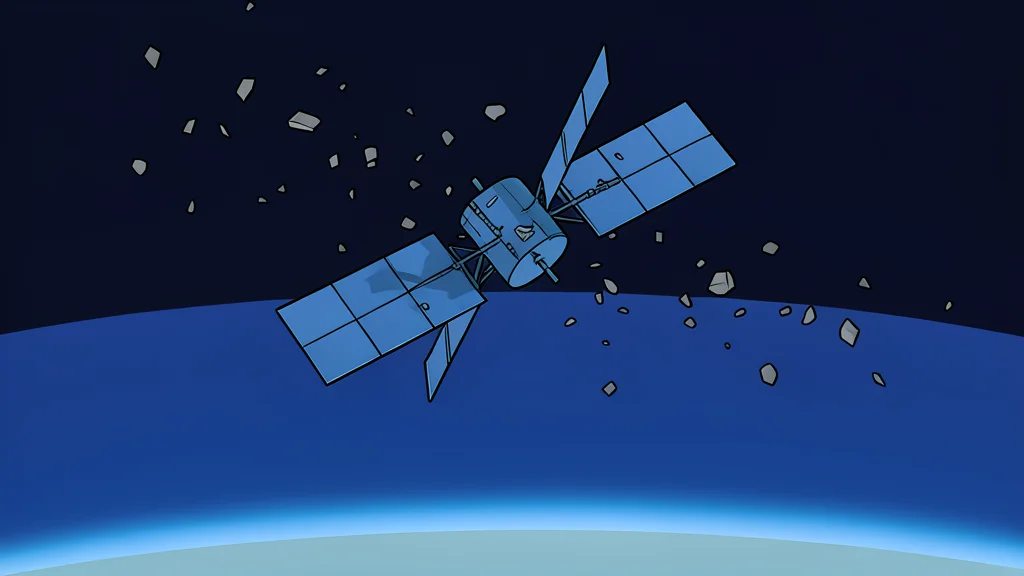
Russian officials argue that a binding international agreement remains possible to prevent military escalation in orbit, following recent US admissions regarding space-based weaponry.
Russian authorities maintain that there is still a viable window to prevent an arms race in outer space through the establishment of a legally binding international treaty. Deputy Foreign Minister Sergei Ryabkov urged the United States and other nations to abandon their reservations regarding such a framework. This diplomatic push comes in response to recent acknowledgments by Washington that the Pentagon operates weapons in Earth orbit.
The US admission marked a significant development in the context of increasing military activity beyond the atmosphere. US Space Force Chief of Staff Douglas Schiess previously noted that military personnel utilize orbital weapons to protect joint forces from attacks involving space-based systems. Moscow stated that while it had not been formally informed of these specific capabilities, the development was not unexpected given ongoing monitoring efforts.
Diplomatic tensions over orbital capabilities
At a press conference in Moscow, Ryabkov asserted that Russia has long advocated for an international treaty banning the use or threat of force against objects in outer space. According to the official, Western nations, including the United Kingdom, have historically rejected discussions on this matter by citing various pretexts. He accused these countries of deflecting attention by highlighting Russian activities they deem destabilizing, thereby avoiding commitments to legal restrictions on military conduct in space.
Despite these diplomatic frictions, the Russian delegation emphasized that the situation has not yet reached a point of no return. Ryabkov stressed that creating an environment capable of preventing an arms race, and consequently the risk of open conflict in outer space, remains a priority. The official suggested that cooperation is still possible if parties are willing to set aside their current strategic disagreements.
Assessing the trajectory of space security
The recent statements highlight a growing divergence in how major powers view the security implications of space technology. While the US describes its orbital capabilities as defensive measures to protect assets and personnel, Moscow interprets the lack of transparency as a precursor to offensive deployment. This divergence complicates efforts to establish norms for behavior in space, a domain where incidents can have immediate and far-reaching strategic consequences.
According to the GN auto geopolitics/global: arms race desk, the next phase of this debate will likely focus on the feasibility of verification mechanisms for any proposed treaty. Observers will watch for whether the United States is willing to engage in substantive negotiations on limiting weaponization, or if it will continue to prioritize unilateral strategic autonomy. The coming months may see increased diplomatic activity as both sides assess the risks of unregulated military competition in the vacuum above.