Poland Warns of Russian Accidental Strike Threats
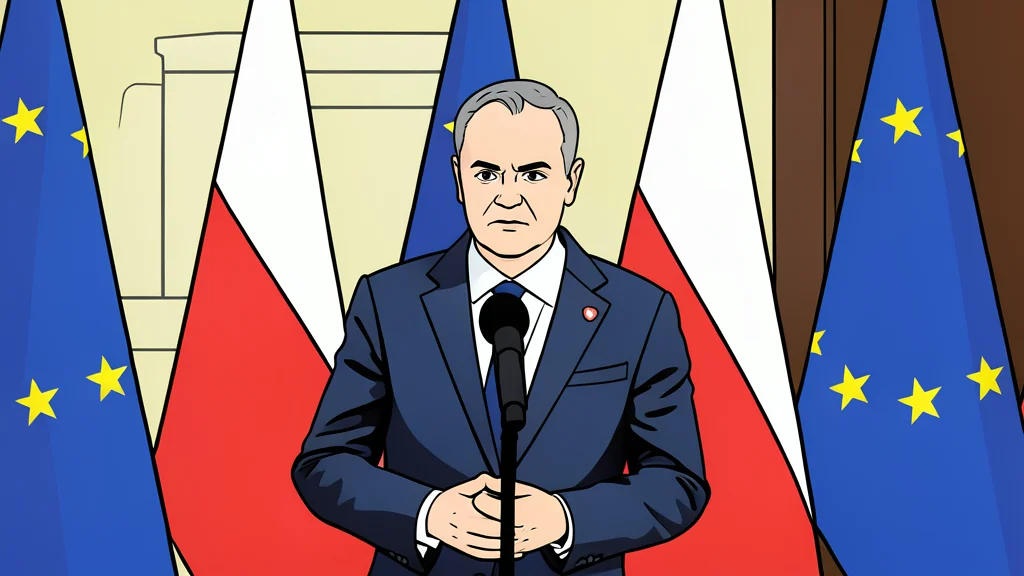
Polish leadership warns that Moscow may use hybrid tactics to test alliance cohesion, citing intelligence on potential accidental incursions near the eastern border.
Polish Prime Minister Donald Tusk has cautioned that Russia may employ drone or missile attacks against NATO members supporting Ukraine, framing such incidents as accidental to test the alliance's collective defense mechanisms. Speaking to parliament on Thursday, Tusk indicated that intelligence assessments suggest Moscow aims to create uncertainty among alliance partners while maintaining plausible deniability.
According to reports from the GN geopolitics/nato desk, Tusk stated that the risk of missiles entering the territory of eastern flank nations is a concrete concern. He noted that while official narratives might label any damage as an accident, the underlying intent appears to be a deliberate probe of NATO’s response thresholds.
Intelligence Assessments Shape Warning
Tusk described the intelligence behind these warnings as increasingly consistent and convincing, though he did not specify which agencies provided the data. He previously mentioned receiving detailed reports from the CIA, highlighting the transatlantic nature of the threat assessment. The core of the concern involves hybrid warfare tactics that blur the line between state-sponsored aggression and inadvertent incidents.
This strategic ambiguity poses a significant challenge for NATO, which must balance a strong defensive posture against the risk of escalating a localized incident into a broader conflict. By potentially using accidents as a cover for strikes, Moscow could exploit the alliance's commitment to avoid direct confrontation while still inflicting damage on key supporters of Ukraine.
Recent Border Incidents Heighten Tension
The warnings arrived amid a wave of Russian attacks on western Ukraine, with explosions reported close to the Polish border. Polish military authorities scrambled aircraft and activated air defense systems as precautionary measures, although they confirmed that Polish airspace was not violated. Temporary suspensions of operations at airports in Lublin and Rzeszow facilitated these military movements.
A Russian drone reportedly crashed or was shot down on Ukrainian territory just four kilometers from the border, according to a Polish military spokesperson. Tusk confirmed a powerful explosion near the Dorohusk crossing, underscoring the proximity of these events to NATO territory. These incidents have led to repeated increases in air-defense readiness in Poland.
Monitoring Future Provocations
As Poland prepares for potential further provocations along the Ukraine border, the focus shifts to how NATO will interpret and respond to any future incidents. The alliance must determine whether to treat ambiguous events as acts of war or as manageable crises, a decision that will define the next phase of the conflict.
Observers will watch closely for any further strikes near the border and the subsequent diplomatic reactions from Washington and Brussels. The coming weeks will test whether the alliance can maintain unity and clarity of purpose in the face of deliberate ambiguity from Moscow.