Polish FM Asserts NATO Air Power Could Rapidly Defeat Russia
Polish Foreign Minister Radoslaw Sikorski stated that the alliance possesses overwhelming air superiority, suggesting a potential conflict with Moscow would be decided quickly.
Polish Foreign Minister Radoslaw Sikorski has stated that NATO possesses an overwhelming advantage in air power that would allow the alliance to defeat Russia rapidly in the event of a direct conflict. Speaking at the annual Yalta European Strategy meeting in Kyiv on September 12, the minister argued that the collective defense capabilities of the alliance are sufficient to ensure a swift victory, even without the immediate participation of the United States.
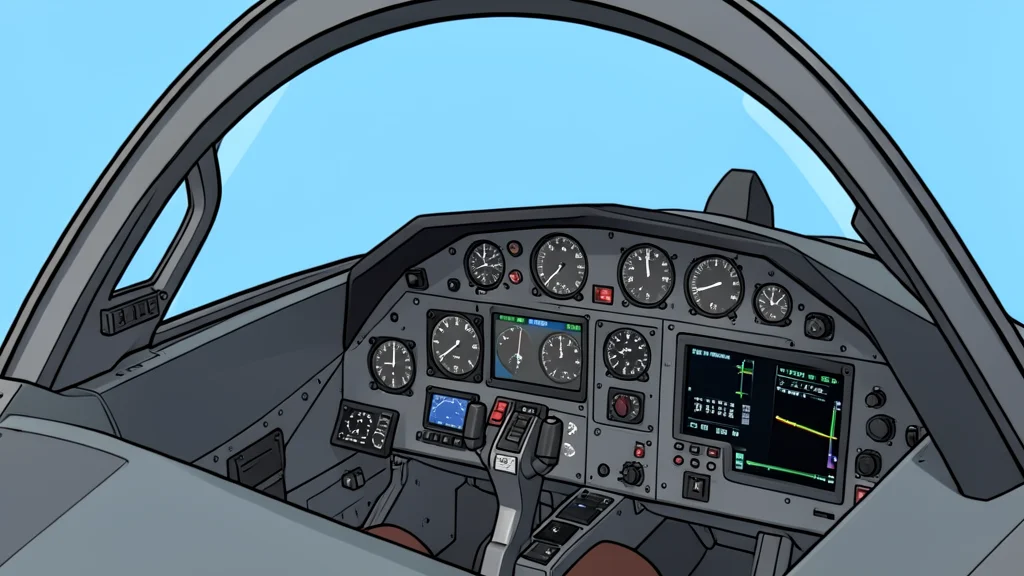
According to Sikorski, the alliance controls approximately 2,500 aircraft, a number that significantly outclasses Russian air assets. He emphasized that this superiority extends beyond simple numbers to include advanced capabilities such as F-35 fighters and long-range strike missiles. The comments were made in the context of ongoing discussions about Europe's defense sovereignty and the need to deter further Russian aggression.
Assessing Collective Air Superiority
The Polish minister drew a direct comparison between the alliance's potential offensive capabilities and Ukraine’s current campaign against Russian energy infrastructure. He suggested that while Ukrainian forces have required six months to disable half of Russia’s refining capacity, NATO could achieve a similar result in as little as six weeks. This assessment underscores the belief among some European leaders that the technological and logistical gap between the alliance and Moscow has widened significantly.
Sikorski noted that the combined defense budgets of the Baltic and Nordic countries now exceed Russia’s total defense spending. However, he acknowledged that Europe still lacks full defense sovereignty and must continue to rely on transatlantic partnerships. The remarks highlight a growing confidence in Europe’s ability to project power, though they also reflect the urgency to maintain high readiness levels in the face of escalating regional tensions.
Moscow Rejects Polish Characterizations
The Russian Foreign Ministry responded sharply to the Polish statements. Spokesperson Maria Zakharova accused Sikorski of holding hostile views and claimed he had suggested Poland could defeat Russia unilaterally. This characterization contradicts the minister’s actual remarks, which focused on the collective strength of the NATO alliance rather than a single nation’s military capacity. The discrepancy highlights the ongoing rhetorical battle between Warsaw and Moscow over the nature of the current security landscape.
Polish officials maintain that their comments were strictly about the alliance’s combined potential. They point to the fact that Poland itself operates a limited air force, including F-16s and F-35s, which is a fraction of the total NATO inventory. By emphasizing the collective nature of the threat and response, Warsaw seeks to reinforce the principle of mutual defense while signaling to Moscow that any attack on one member would be met with disproportionate force.
Escalating Tensions Near Borders
These diplomatic exchanges occur against a backdrop of heightened security concerns in the region. Poland has increased its defensive posture following recent Russian strikes on Ukraine that occurred near the Polish border. Notably, a passenger train at Yahodyn railway station, located just kilometers from the border, was hit on September 13. Such incidents have intensified calls within the alliance for greater vigilance and rapid response capabilities.
As reported by GN geopolitics/nato, the situation remains fluid, with both sides engaging in strategic messaging to influence public opinion and diplomatic leverage. The forward question for observers is whether these statements will lead to concrete changes in NATO’s deployment strategies or if they will remain largely rhetorical. The coming weeks will likely see further testing of the alliance’s unity and its willingness to escalate its defensive commitments in Eastern Europe.