Russia's Duma Election Faces Structural Headwinds
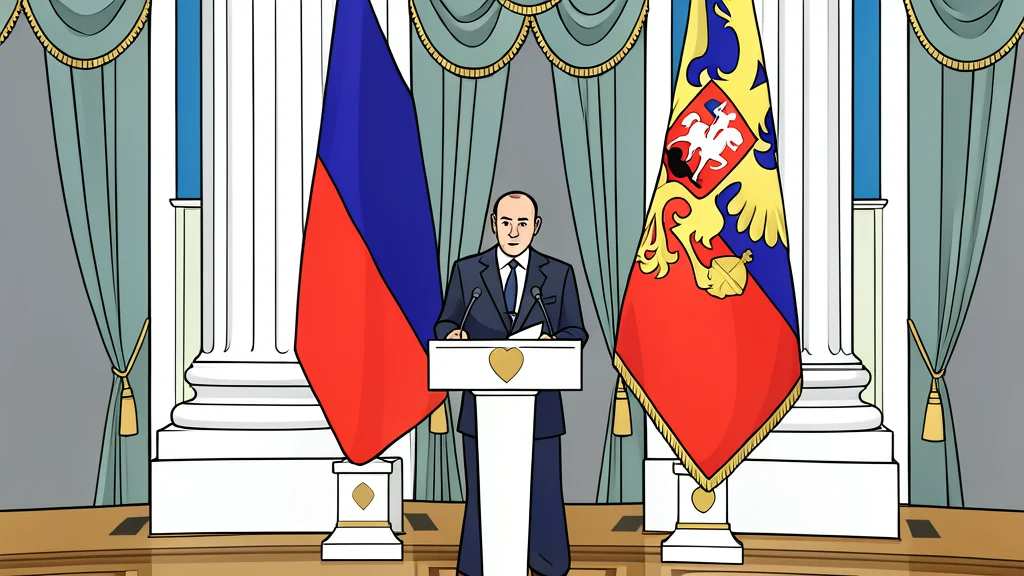
The outcome of Russia's latest parliamentary vote appears predetermined due to significant restrictions on opposition and control over the electoral process, according to geopolitical analysts.
Russia has entered the final days of its parliamentary elections, a process that experts describe as largely predetermined before the first ballots were cast. This is the first general vote for the State Duma since the invasion of Ukraine in 2022, and the political landscape has shifted significantly toward centralized control.
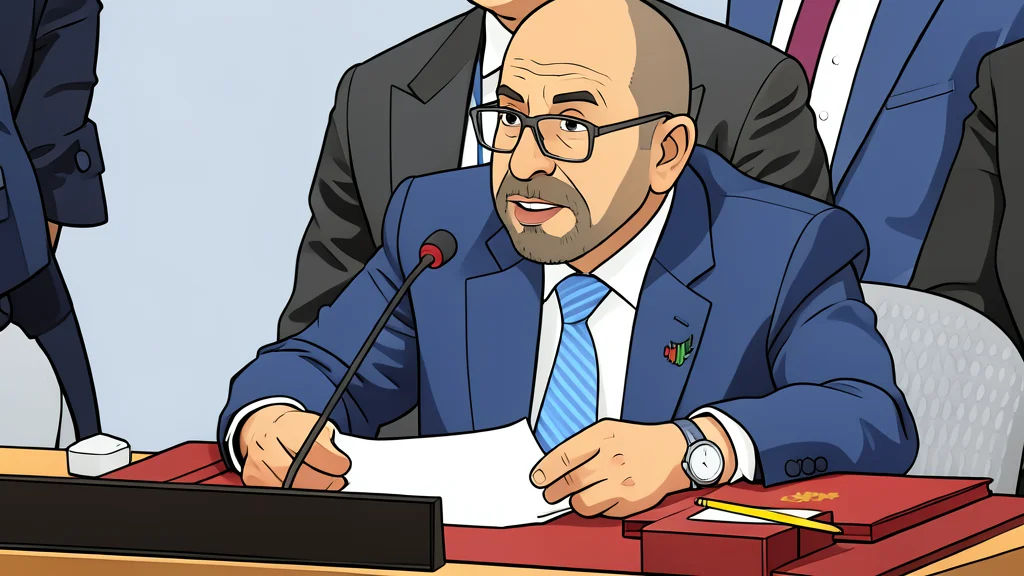
The United Russia party is widely expected to retain its dominant position in the lower house, securing the supermajority required to pass major legislation without opposition. According to David Szakonyi, a professor at George Washington University, the current environment represents the most repressive political climate in Russia's post-Soviet history, limiting the scope for genuine political competition.
Legal Mechanisms Exclude Opposition
A primary tool for ensuring favorable outcomes is the restriction of who can appear on the ballot. The Yabloko party, one of the few registered groups opposing the war, was barred from participating by the Supreme Court last month. The court cited copyright infringement and alleged foreign funding in its ruling, a move analysts say provides a legal veneer for the government's influence over the candidate list.
This screening process occurs months in advance of the vote, effectively removing meaningful opposition from the race. Additionally, the designation of anti-war figures as foreign agents prevents them from holding office, while others face prosecution or imprisonment. These measures collectively narrow the field to parties that generally align with the Kremlin's position on the conflict in Ukraine.
Control Over Vote Counting
Beyond candidate selection, the government exerts direct influence on the counting of votes. According to Szakonyi, electoral officials have historically intervened to shift results in favor of the ruling party. While past methods included physical ballot stuffing, recent developments suggest that the manipulation of online voting results has become a more prevalent technique.
Online voting is now utilized in more than a third of Russia's regions, providing a digital avenue for adjusting tallies. This shift complicates independent verification and allows for subtle alterations to the final numbers, ensuring that the outcome reflects the desired political balance within the Duma.
International Scrutiny and Domestic Reality
Democracy watchdogs and foreign governments have consistently denounced these elections as neither free nor fair. In contrast, Russian officials maintain that the process adheres strictly to national law. The divergence in perspective highlights the broader geopolitical tension surrounding Russia's internal political structures and their alignment with state objectives.
The upcoming results will likely confirm the continued dominance of United Russia and its allied parties, such as the Communist Party and the Liberal Democratic Party. As the country moves forward, the focus shifts to how this consolidated power will influence future legislative decisions and the broader trajectory of Russian foreign policy.