UAE Links Maritime Security to Global Stability at UN Security Council
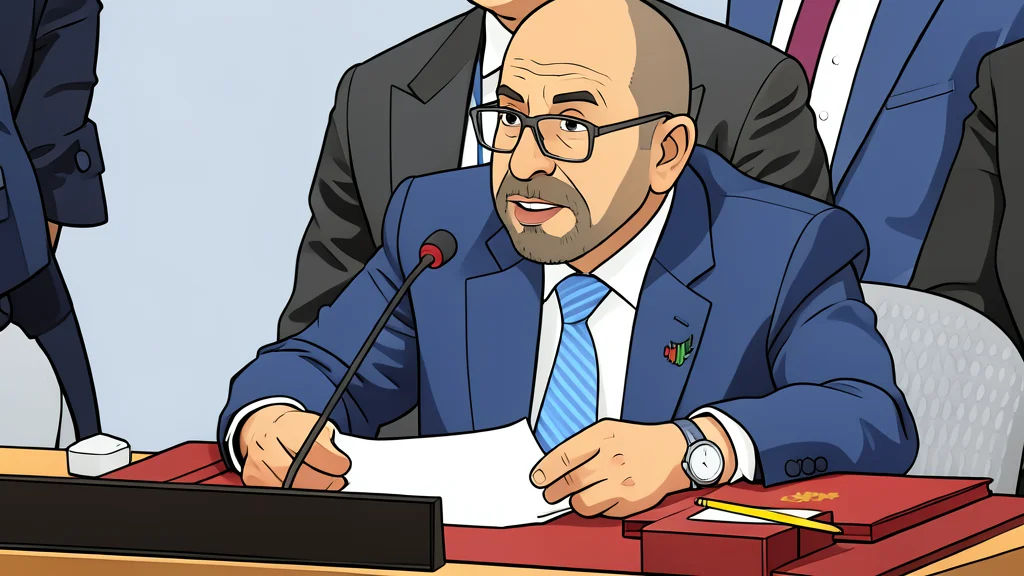
Dubai’s delegation argued that disruptions to sea lanes pose a direct threat to international peace, emphasizing the disproportionate impact on vulnerable populations in the Global South.
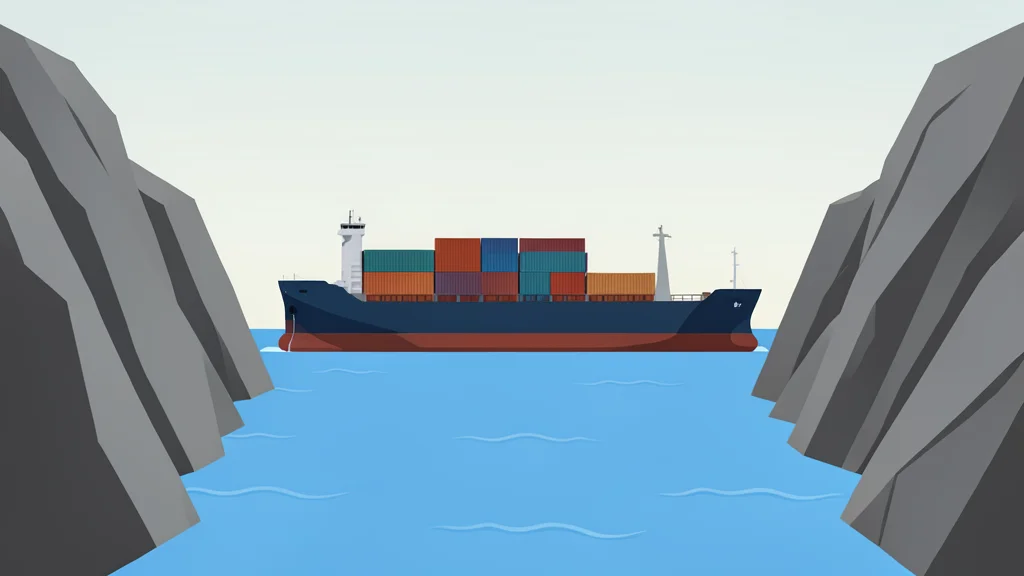
The United Arab Emirates has positioned the security of international supply chains as a core component of global peace and stability during an open debate at the United Nations Security Council. Speaking on the topic of safe seas and common security, the UAE delegation argued that threats to trade, energy, and logistics are not merely economic issues but direct challenges to international order. This stance reflects a broader diplomatic effort to frame maritime stability as a shared responsibility rather than a regional concern.
The statement, delivered by Minister of State Khalifa Shaheen Al Marar, emphasized that the flow of goods and energy must be protected without fees, restrictions, or obstacles. According to the remarks, such protections must align with international law, the law of the sea, and the sovereignty of states. The UAE highlighted that recent developments have demonstrated how volatility in these sectors can ripple through the global economy, affecting everything from food security to agricultural inputs like fertilizers.
Humanitarian impact on Global South
A central theme of the UAE’s address was the disproportionate burden borne by developing nations. The delegation cited estimates from the World Food Programme, which suggest that continued disruptions in maritime trade could push up to 45 million additional people into acute food insecurity. This statistic underscores a key point in the UAE’s argument: that populations with no direct connection to regional conflicts are still bearing the humanitarian costs of instability in key shipping lanes.
By linking maritime security to food and energy access, the UAE sought to elevate the issue from a trade dispute to a humanitarian imperative. The statement noted that while all economies are affected by supply chain shocks, the consequences are most severe for the Global South. This framing aligns with the UAE’s broader diplomatic strategy of advocating for multilateral cooperation and highlighting the interconnectedness of global security and welfare.
Regional de-escalation and diplomatic efforts
In its closing remarks, the UAE called for sustained efforts to calm tensions and reduce escalation in the region. The delegation expressed appreciation for the Kingdom of Bahrain, which has been instrumental in keeping maritime security and freedom of navigation at the forefront of the Security Council’s agenda. The UAE thanked the briefers and other member states for their interventions, signaling a willingness to engage in collaborative dialogue.
According to the statement published on the website of the UAE Mission to the United Nations, promoting stability is essential for achieving security, peace, and prosperity. The UAE’s position suggests that diplomatic engagement and adherence to international legal frameworks are the most effective tools for addressing the challenges posed by a changing security environment. This approach contrasts with more confrontational stances, favoring a path of dialogue and rule-based order.
Monitoring future developments in maritime law
As the Security Council continues to grapple with the implications of regional conflicts on global trade, the UAE’s emphasis on legal frameworks and humanitarian impact will likely shape future discussions. Observers will watch how other member states respond to this framing, particularly regarding the balance between national security interests and the free flow of commerce. The coming months may see further efforts to codify these principles in international policy, with the UAE playing a visible role in that process.