US to Host Parallel AI Forum Amid UN Security Council Session
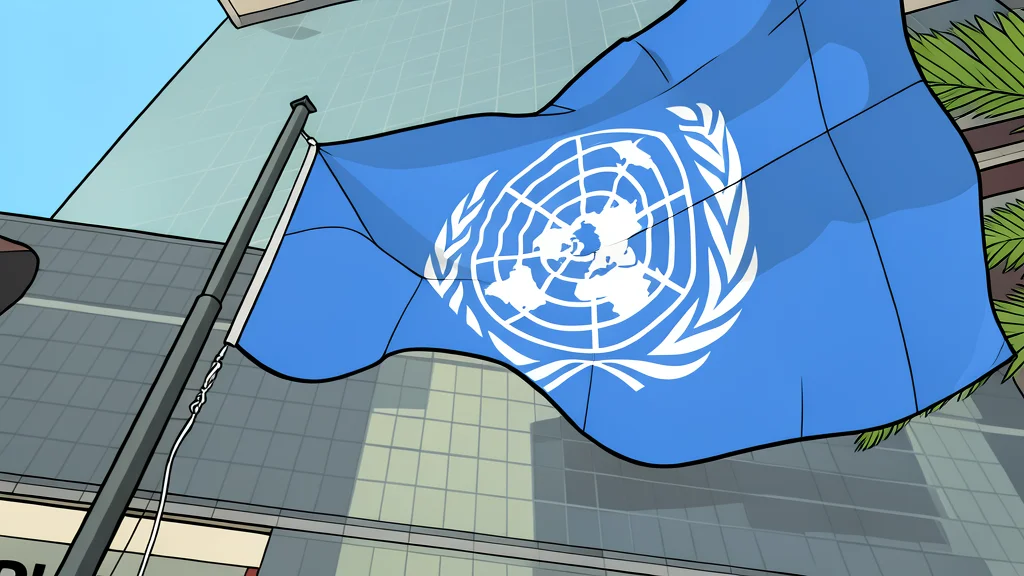
The White House plans to convene a high-level gathering on artificial intelligence alongside the UN General Assembly, creating a distinct diplomatic track from the Security Council's security-focused discussions.
The Trump administration will host a high-level event on artificial intelligence on the sidelines of the United Nations General Assembly next week, according to multiple sources familiar with the matter. This initiative is scheduled to coincide with a UN Security Council meeting on AI and security, signaling a complex diplomatic landscape where distinct policy approaches are being pursued simultaneously. The event, which has drawn invitations from multiple countries, arrives as global discourse on AI intensifies amid warnings about potential existential risks and significant technological shifts.
While the US delegation frames the gathering as an opportunity to discuss partnership and adoption at scale, other voices within the UN system are emphasizing the need for multilateral coordination. According to reporting by GN geopolitics/un, the timing highlights a growing divergence between national regulatory strategies and international governance efforts. As the General Assembly convenes, the interplay between these parallel tracks will likely define the tone of the upcoming session on digital technology.
Diplomatic Tracks Diverge on AI Governance
The US-led event is being positioned as a forum for discussing the policy, legal, and regulatory conditions that enable the widespread adoption of artificial intelligence. US Ambassador to the UN Mike Waltz, along with senior State Department officials, are expected to host the session. The focus appears to be on fostering international cooperation through partnership models that prioritize innovation and free expression, rather than imposing centralized regulatory frameworks. This approach contrasts with the more cautious stance often seen in multilateral forums, where the primary concern is managing security risks and ensuring equitable access to technological benefits.
Security Council Faces Deep Divisions
Simultaneously, the UN Security Council is preparing to hold a dedicated meeting on AI and security, where OpenAI CEO Sam Altman is expected to brief delegates. However, observers note that reaching a consensus among the permanent members remains a significant challenge. The United States, China, Russia, France, and the United Kingdom hold widely differing views on how AI should be regulated and monitored. Consequently, it is unlikely that the Council will produce a firm, unified deliverable during this session, as the fundamental disagreements among these key powers continue to shape the diplomatic landscape.
Claire Melamed, Vice President for AI and Digital Cooperation at the United Nations Foundation, indicated that the UN is currently in a phase of setting positions and defining its role in AI governance. She highlighted increasing interest in the UN's potential function in crisis management, particularly in scenarios involving cross-border cyberattacks or systemic disruptions caused by AI. For many nations, especially those with limited domestic regulatory capacity, the UN may serve as a critical reference point for navigating these complex technological challenges and accessing governance instruments that ensure stability.
High-Stakes Bilateral Talks Loom
Amid these multilateral discussions, attention is also turning to bilateral engagements that could influence the broader trajectory of AI policy. A meeting between President Donald Trump and Chinese President Xi Jinping is scheduled for next Thursday, where artificial intelligence is expected to be a central topic. The outcomes of this conversation may carry significant weight for the global regulatory environment, as the two largest economies navigate their competing interests in the sector. Diplomatic observers are closely monitoring these interactions for signals that could either bridge existing gaps or deepen the current divisions in international AI governance.
As the General Assembly proceeds, the interplay between these various diplomatic tracks will be closely watched. The US initiative aims to promote a collaborative model for AI development, while the UN Security Council grapples with the imperative of security and multilateral consensus. The coming days will likely reveal whether these parallel efforts can find common ground or if the structural disagreements among major powers will continue to dominate the discourse. The resolution of these tensions will be critical in determining the future framework for global artificial intelligence governance.