Russia's Struggle for Normalcy Amidst Prolonged Conflict
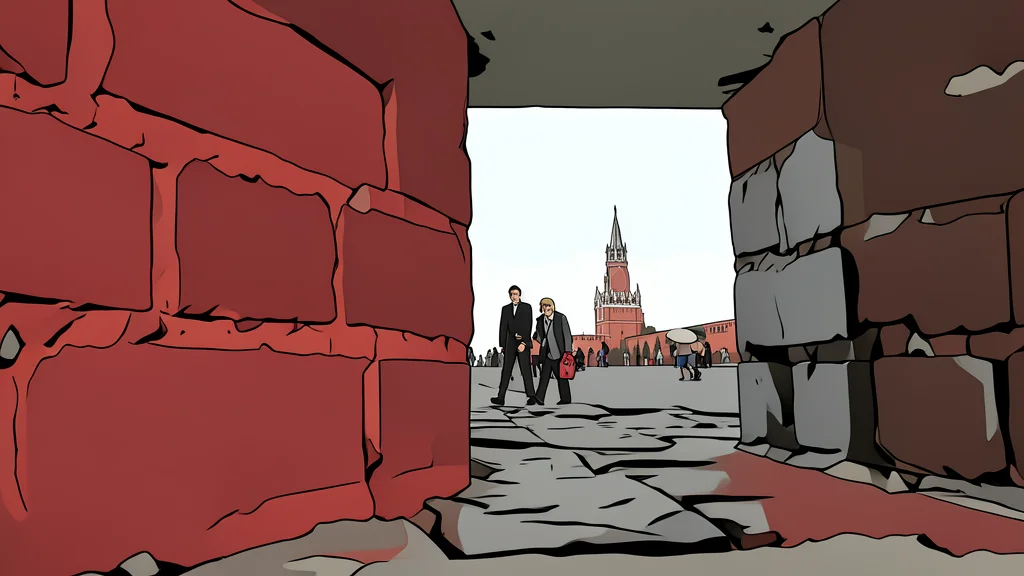
As the war in Ukraine drags on, the concept of normalcy in Russia is under severe strain, raising questions about the future of its political and social structures.
For many Russians, the daily response to inquiries about well-being is a single word: normalno. This term, which sits somewhere between "hanging in there" and "I'm okay," reflects a baseline expectation of life where financial stability is maintained, family relations are manageable, and state interference remains minimal. However, this quiet equilibrium has been shattered by the full-scale invasion of Ukraine launched in 2022. According to Foreign Policy, the conflict has pushed the country’s militarized economy to the brink of collapse, with daily casualties among Russian forces reaching significant numbers. While the insulated elites of Moscow and St. Petersburg have largely avoided the worst effects, the rest of the population is experiencing a profound disruption to their daily existence.
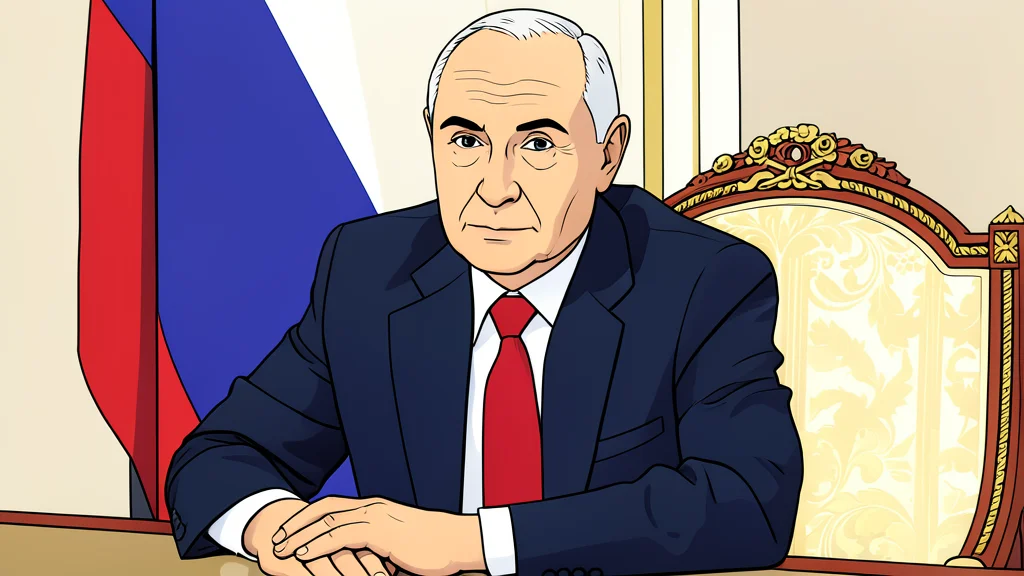
The return to normalcy is inextricably linked to the end of the war, which in turn depends on the political fate of President Vladimir Putin. Analysts suggest that as long as Putin remains committed to the conflict for his own survival, a stable peace is unlikely. Yet, the issue extends beyond individual leadership. The underlying political culture and national identity in Russia, characterized by a belief in a unique historical mission and a quasi-right to dominance, create structural conditions that make aggression a recurring possibility. This messianic concept, rooted in Russian Orthodoxy and secularized by modern propagandists, stands in direct opposition to the quiet stability of normalnost.
Structural Drivers of Russian Aggression
The persistence of Russian aggression is not merely a product of current policy but is embedded in a broader cultural framework. Figures ranging from historical literary giants to contemporary propagandists have espoused the idea that Russia has a historical destiny to spread its civilization. This view, shared by a wide spectrum of the political elite and many ordinary citizens, frames expansion as a natural and necessary part of national identity. As long as this ideological foundation remains intact, the potential for conflict with neighbors remains a constant risk, regardless of who holds power in Moscow.
This cultural predisposition challenges the notion that Russia can simply return to a pre-war status quo. The current war has exposed the fragility of the previous normalcy, revealing how quickly life can be upended by state decisions. For the average Russian, the war has transformed a distant conflict into a daily reality, affecting everything from economic security to personal safety. The challenge now is not just to end the fighting, but to address the deep-seated beliefs that continue to drive the country’s foreign policy.
The Fragility of Normalcy in Russia
The concept of normalnost is deeply relative, varying significantly between different social classes and regions. For a pensioner in a smaller city, it might mean getting by on a meager pension; for an elite in Moscow, it might mean maintaining a lifestyle of comfort and privilege. The war has blurred these distinctions, as even the protected bubbles of the capital have begun to feel the impact of the conflict. This erosion of the previous normalcy highlights the extent to which the war has penetrated all levels of Russian society.
As the conflict continues, the question of whether Russia can ever return to a state of normalcy becomes increasingly complex. It is not just a matter of stopping the fighting, but of redefining the nation's identity and its relationship with the world. The structural factors that have driven Russian aggression for decades are unlikely to disappear overnight, and the path to a stable, peaceful normalcy remains uncertain.
Looking Ahead to a Stable Future
The future of Russia’s political and social stability hinges on whether it can move beyond its current trajectory of conflict. The end of the war is a necessary but not sufficient condition for a return to normalcy. A deeper transformation in national identity and political culture will be required to ensure that the potential for aggression is permanently mitigated. For now, the daily reality for most Russians remains one of uncertainty and strain, as they navigate the consequences of a war that has reshaped their lives.