Russian Voters Face Duma Elections Amid War and Economic Strain
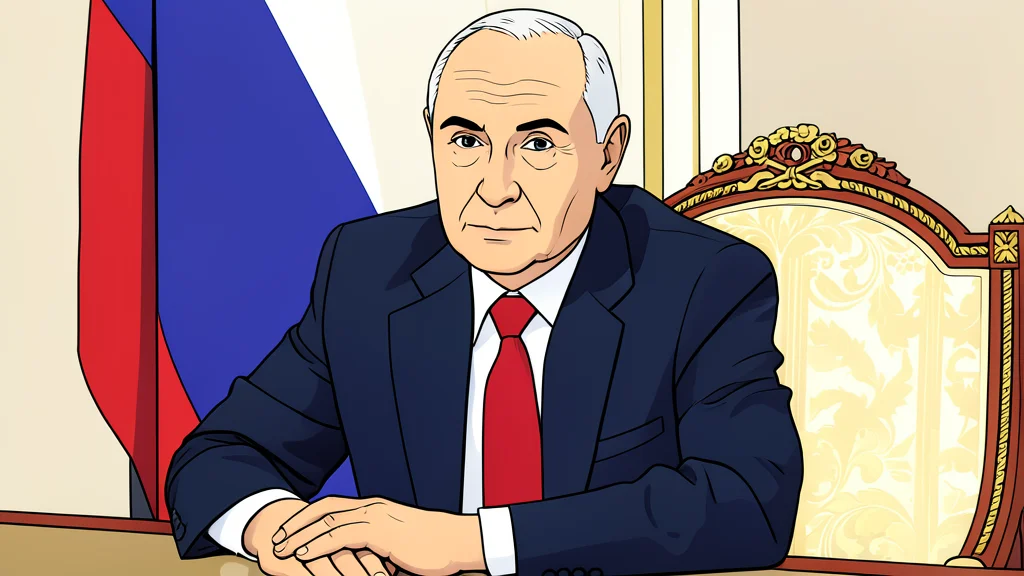
Millions of Russians are heading to the polls for the first time since the invasion of Ukraine, a vote that critics argue is largely predetermined by the political context.
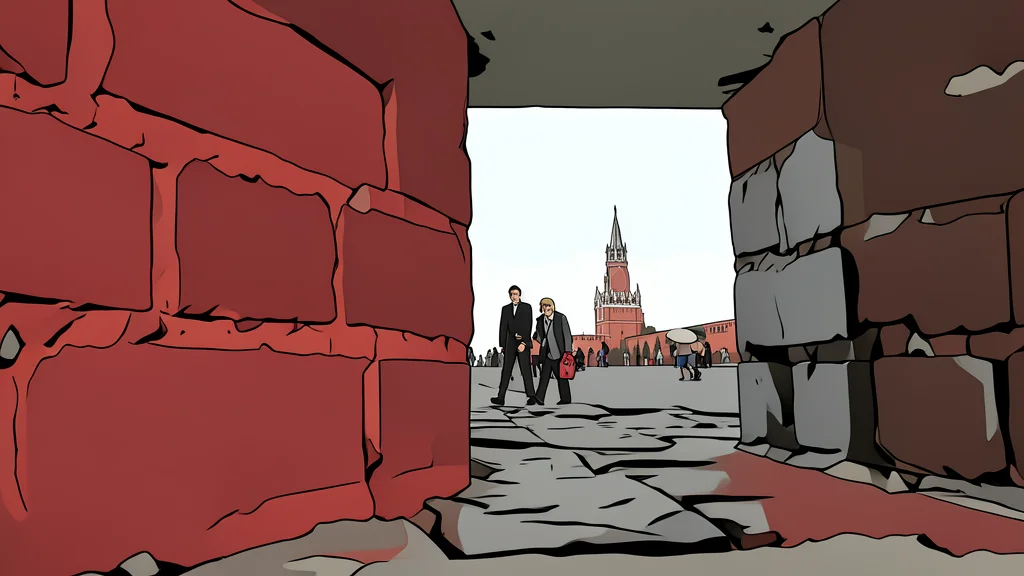
Millions of eligible voters in Russia are preparing to select a new composition for the State Duma, the lower house of Parliament. This is the first nationwide legislative vote to take place since Moscow launched its full-scale invasion of Ukraine in February 2022, a conflict that has fundamentally altered the domestic political landscape and international standing of the state.
According to Al Jazeera English, critics describe the outcome as a foregone conclusion, suggesting that the competitive dynamics of previous electoral cycles have been significantly diminished. The vote occurs against a backdrop of rising living costs and heightened military activity, with Ukrainian drones reportedly increasing attacks on Russian energy infrastructure and storage facilities, further complicating the socio-economic environment in which the election is being held.
War shadows the electoral process
The ongoing conflict has cast a long shadow over the campaign, shifting the focus from traditional policy debates to issues of national security and support for the military. President Vladimir Putin has explicitly urged citizens to participate in the vote, framing high turnout as a critical demonstration of support for the armed forces and the government’s wartime strategy. This rhetoric effectively links individual civic duty to the broader national narrative of the war effort.
Independent observers note that the economic pressures resulting from the war, including inflation and supply chain disruptions, have made the cost of living a primary concern for many households. However, the space for open political discourse regarding these issues remains constrained, with the dominant media narrative emphasizing unity and resilience rather than critical examination of policy failures or alternative governance models.
Limited leverage of the lower house
Questions persist regarding the actual influence of the State Duma within Russia’s executive-heavy political system. According to experts and analysts, the lower house possesses limited independent power to check the decisions of the presidency or the upper house, the Federation Council. Its primary role is often viewed as rubber-stamping legislation proposed by the executive branch, rather than serving as a robust forum for legislative opposition or policy innovation.
Scholars specializing in Russian politics argue that the structure of the Duma has been designed to ensure stability and continuity of the current leadership’s agenda. While the body can engage in oversight and budgetary processes, these functions are heavily mediated by the dominant ruling party, which maintains a significant majority. Consequently, the election serves more as a ritual of legitimacy than a genuine mechanism for changing the direction of state policy.
Observers watch for signals of change
Despite the consensus that the outcome is predetermined, international observers and political risk consultants continue to monitor the process for any subtle shifts in public sentiment or administrative tactics. The level of turnout, the nature of opposition participation, and the official reaction to any irregularities will be closely scrutinized as indicators of the regime’s confidence and its relationship with the domestic population.
The coming days will likely provide further context on how the government intends to leverage the results of the vote. Whether the new Duma will focus on consolidating wartime legislation or attempting to address economic grievances will depend largely on the directives from the executive. For now, the forward-looking question remains whether this electoral cycle will reinforce the status quo or reveal new fissures in the political consensus.