Russian Drone Strikes Target Border Routes to Kyiv
Russian drone attacks on border crossings with Poland and Moldova have disrupted travel for Western officials visiting Kyiv, coinciding with setbacks in Russia's eastern offensives.
Russian drone strikes targeting Ukrainian border crossings with Poland and Moldova have raised significant safety concerns for Western officials traveling to and from Kyiv. These incidents have occurred as Russia’s ground operations in the east face mounting difficulties, prompting a shift in tactical focus toward logistics and transit routes.
According to reports from Al Jazeera English, the attacks have endangered European and American diplomats, including former British Prime Minister Boris Johnson, who was on a train struck near the Polish border. The timing of these strikes coincides with a period of intensified Russian activity, as indicated by statements from Polish and Ukrainian leadership.
Border strikes disrupt diplomatic travel
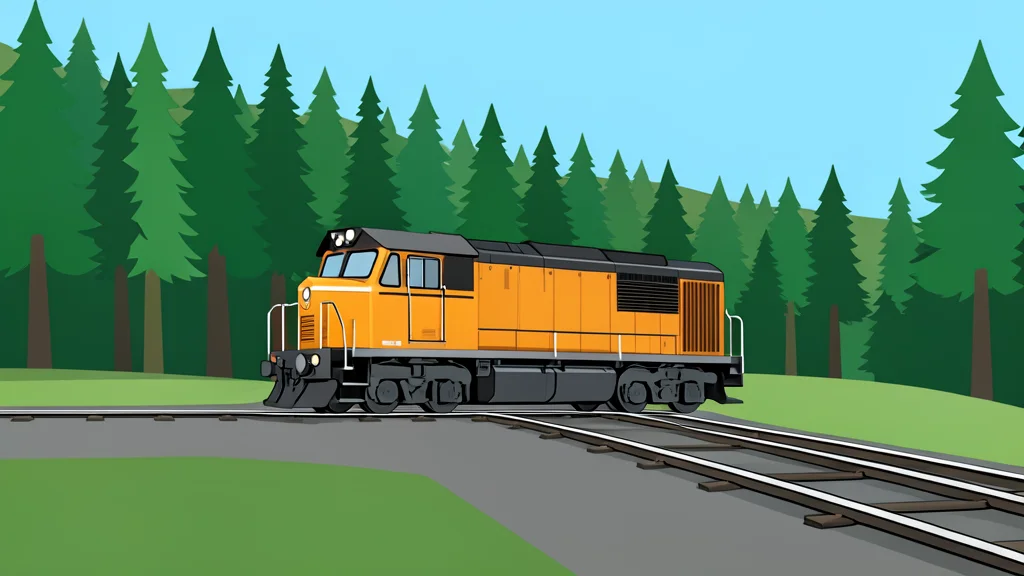
On September 13, a Russian drone hit a train locomotive just five kilometers from the Polish border, endangering officials attending the Yalta European Strategy conference in Kyiv. The same week saw a petrol station near the border destroyed, damaging several trucks. In a separate incident on September 8, a drone entered Moldovan airspace near President Zelenskyy’s aircraft, causing a flight delay, though the extent of the threat remains disputed by Moldovan authorities.
Ukrainian Foreign Minister Andriy Sybiha described these actions as direct intimidation of the EU and NATO. Meanwhile, US envoys Jared Kushner and Steve Witkoff were forced to reroute their travel to Kyiv via Poland after flights were disrupted by Russian strikes. The consistent targeting of four border crossings to Moldova in recent weeks suggests a deliberate strategy to complicate Western access to the capital.
Military setbacks in eastern Ukraine
The escalation near the borders comes as Russia faces significant losses on the front lines. This week, it was revealed that Russia lost 85 square kilometers of previously occupied territory in the Donetsk region during an attempt to seize Lyman. This setback marks a notable reversal in the eastern campaign, where Russian advances have stalled despite sustained pressure.
Kremlin representatives have justified the border strikes as necessary measures to halt the flow of Western military aid into Kyiv. Rodion Miroshnik, a Kremlin ambassador-at-large, stated that Ukraine’s ports and logistics centers have become military targets, arguing that Kyiv is reaping the consequences of its defensive strategies. The Russian government frames these actions as a response to the militarization of Ukrainian infrastructure.
Economic pressure and future outlook
Amid the military stalemate, economic warfare intensifies. Ukraine has struck 26 Russian refineries this year, aiming to degrade Russia’s fuel production capabilities. Russian Central Bank Governor Elvira Nabiullina recently cited the fuel market as a primary driver of inflation. In response, the US Congress passed a bill imposing secondary sanctions on nations purchasing Russian energy, aiming to cut off the revenue streams that support the Russian defense budget.
The coming weeks will likely see continued Russian attacks on transit routes as ground operations remain static. Observers will watch for any further escalation into NATO territory, as well as the impact of new sanctions on Russian economic stability. The safety of diplomatic travel remains a critical concern, with potential implications for ongoing peace negotiations and aid coordination.