Russian Election Discrepancies and the War Context
Moscow denounces foreign electoral interference while domestic observers report extensive manipulation in upcoming Russian parliamentary votes.
Russian authorities have intensified their rhetoric claiming that elections in democratic nations are fraudulent and controlled by Western powers. This narrative persists despite recent evidence suggesting that Moscow itself engages in significant foreign information manipulation and interference. The contrast is particularly sharp as Russia prepares for its 2026 parliamentary election, the first major vote since the full-scale invasion of Ukraine. According to the GN auto geopolitics/global: election interference report, the Kremlin faces a growing challenge in maintaining public support while economic pressures and war fatigue deepen.
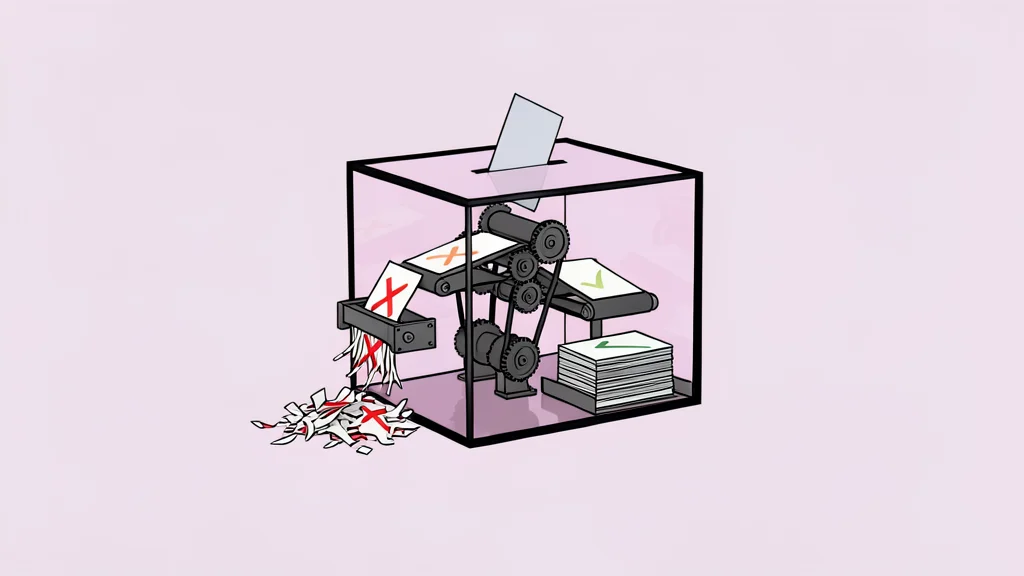
The political landscape in Russia has become increasingly opaque, with independent analysts asserting that election outcomes are predetermined by the state. From candidate selection to vote counting, the machinery of governance is described as tightly controlled. This environment stands in stark contrast to the international narrative that Moscow promotes, which often frames domestic political stability as a superior alternative to the alleged chaos of Western electoral processes. The upcoming vote is viewed by many as a critical test of the regime's ability to manage internal dissent while projecting external strength.
Accusations of Foreign Interference
Kremlin officials and aligned media outlets frequently attribute political shifts in neighboring states to Western meddling. In the case of Moldova, authorities have alleged that Russian agents spent approximately 200 million euros on vote-buying and disinformation during the 2024 presidential election. Similar tactics were reportedly used ahead of Armenia’s 2026 election, involving sanctioned organizations. Despite these allegations of active interference, Moscow has portrayed European Union assistance aimed at protecting electoral integrity as an illegitimate form of foreign interference. This defensive posture allows the Kremlin to deflect criticism of its own electoral practices by casting doubt on the legitimacy of other nations' processes.
Propaganda campaigns in public spaces, such as the Moscow metro, display claims that journalists are barred from polling stations in countries like Austria and Canada. These assertions are misleading, as authorized observers and party representatives are generally permitted in these democracies. By suggesting that fair elections do not exist elsewhere, the regime creates a rhetorical shield. This strategy aims to normalize domestic electoral irregularities by framing them as standard practice in a world where all elections are allegedly compromised. The result is a narrative that isolates Russia from international scrutiny while justifying internal control.
Domestic Electoral Manipulation Evidence
Independent monitoring groups and researchers have documented extensive manipulation in Russian elections for over a decade. The Center for Data and Research on Russia found evidence of widespread ballot manipulation across multiple federal elections between 2000 and 2024. In the 2024 presidential election, the independent group Golos recorded more than 1,000 alleged violations, including reports of voters being pressured by employers. Golos has since been forced to cease operations in Russia after being labeled a foreign agent. The exclusion of international observers, such as those from the OSCE, further limits transparency and reinforces the perception of a closed system.
Comparative assessments highlight the disparity between Russia and other European states. Freedom House’s 2026 assessment gave Russia a score of zero out of twelve for its electoral process. In contrast, Hungary received seven points, and Finland achieved a perfect score of twelve. These metrics underscore the significant gap in electoral integrity. The lack of genuine political choice in Russia means that voters cannot effectively express dissatisfaction with government policies, particularly regarding the ongoing war in Ukraine. This suppression of political opposition is a defining feature of the current political landscape.
Economic Strains and Public Anxiety
The 2026 parliamentary election occurs against a backdrop of increasing economic disruption. Ukrainian drone attacks on refineries, ports, and oil depots have caused fuel shortages and broader economic instability. President Vladimir Putin has acknowledged that these strikes have inflicted real damage on the Russian economy. Rumors of a potential mass mobilization following the election have added to public anxiety. This suggests that unpopular decisions may be postponed to protect the ruling party’s electoral prospects. The interplay between economic hardship and political control creates a fragile environment where public dissatisfaction is carefully managed to prevent open opposition.
As the war’s effects reach deeper into everyday life, the Kremlin’s strategy relies on maintaining a facade of stability. The regime has long offered economic and social security in exchange for political passivity, but this bargain is showing signs of strain. The inability to vote against the war or its costs limits the outlet for public frustration. Observers are watching to see if the upcoming election will serve as a genuine referendum on the war or if it will be another instance of predetermined outcomes. The forward question remains how the regime will balance the need for internal legitimacy with the external pressures of a prolonged conflict.