Satellite Data Reveals Renewed Construction at Parchin Nuclear Site
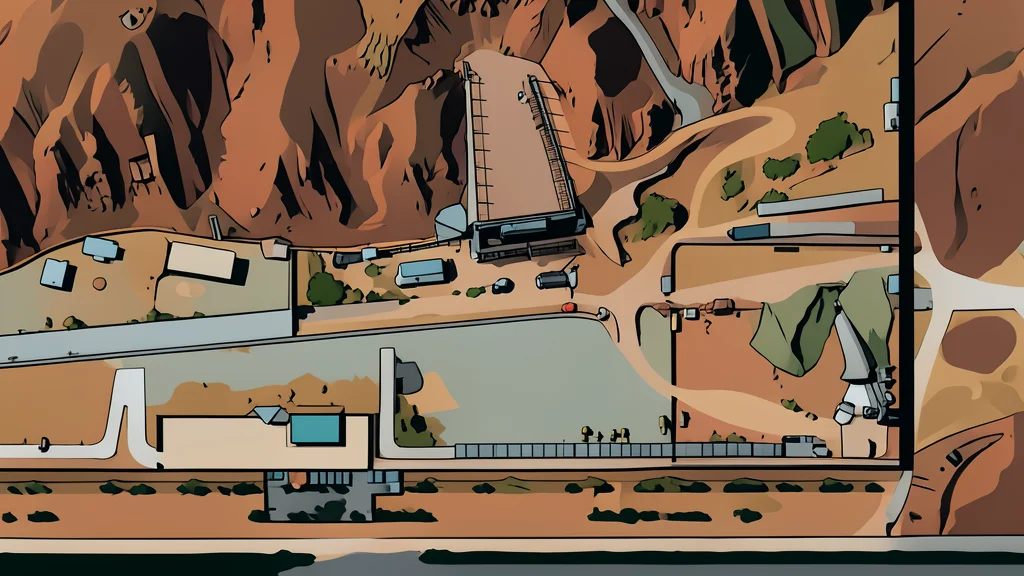
New analysis indicates Iran is actively rebuilding a fortified underground structure at the Parchin complex, marking the third major reconstruction cycle at this sensitive location.
Satellite imagery analyzed by a Washington-based security institute suggests Iran is rapidly reconstructing a fortified underground facility at the Parchin military complex. The site, located southeast of Tehran, has long been scrutinized by international observers for its potential links to past nuclear weapons research. According to the Institute for Science and International Security, significant construction activity is currently underway, indicating a deliberate effort to restore the structure to a hardened state.
The latest assessment, published by the ISIS report, highlights extensive engineering work visible in images from Vantor Technologies. The report notes that Iran has erected large coverings over the destroyed buried structure, a move designed to obscure internal activities from aerial reconnaissance. This marks the third major reconstruction cycle at the Taleghan 2 site, following previous strikes that damaged the facility's internal components.
Construction activity continues despite previous strikes
According to the watchdog, repair work began in June 2026, with crews placing concrete caps over penetration holes left by earlier attacks. New blast-reinforcement concrete aprons have also been added to the site to improve protection against aerial threats. The imagery shows a variety of heavy equipment, including dump trucks, bulldozers, and cranes, actively engaged in the rebuilding process. This level of activity suggests a sustained commitment to restoring the facility's structural integrity.
The site has a complex history involving multiple phases of damage and restoration. The original building was struck in late 2024, leading to a rebuild in mid-2025 that included what analysts described as a high-explosive containment vessel. A subsequent attack in early 2026 caused further destruction, collapsing surrounding buildings and damaging internal structures. Despite these setbacks, the current evidence points to a renewed effort to fortify the area, raising questions about the long-term strategic intent behind these repeated investments in infrastructure.
Historical context of the Parchin complex
Western intelligence agencies have long associated the Parchin complex with high-explosive testing relevant to nuclear detonations. These activities are believed to have occurred more than two decades ago as part of Iran's alleged nuclear weapons program. The Israeli military has described the site as a location used in recent years to develop advanced explosives and advance nuclear capabilities. However, Iran has consistently denied seeking nuclear weapons, maintaining that its nuclear program is solely for peaceful purposes.
The ongoing reconstruction has drawn significant attention from international security experts. The ISIS report states that significant questions remain regarding Iran's plans for the facility, particularly why it continues to rebuild after repeated damage. The institute described the situation as deeply concerning, given the long history of nuclear weapons research and development activities reported at the site. This development adds a new layer of complexity to the broader geopolitical landscape in the region.
Implications for regional security dynamics
The renewed focus on the Taleghan 2 site underscores the continued importance of this location in the context of non-proliferation efforts. The use of hardened, buried structures and the rapid pace of reconstruction suggest a strategic priority to maintain operational capabilities at the complex. This activity is being closely monitored by international bodies and neighboring states, who are assessing the potential implications for regional stability.
Observers are now watching for further signs of activity at the Parchin complex, as well as any diplomatic responses from Iran or the international community. The next steps may involve additional satellite monitoring or diplomatic engagements aimed at clarifying the nature of the work being done. The situation remains fluid, with the potential for further developments depending on how the reconstruction process evolves and how it is perceived by global security stakeholders.