Strait of Hormuz Tensions Rise as Seoul Weighs Naval Options
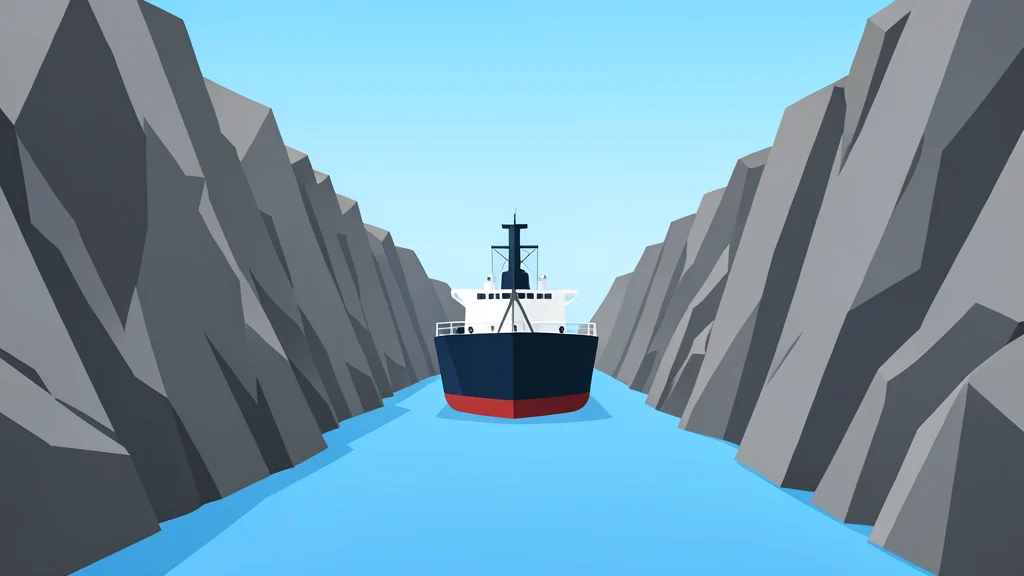
Iran claims an attack on a tanker in the Strait of Hormuz, prompting South Korea to review its maritime protection strategy while avoiding direct conflict involvement.
Iran has claimed responsibility for striking an oil tanker attempting to traverse the Strait of Hormuz, a move that coincides with South Korea’s review of its naval operations in the region. According to reporting from GN auto geopolitics/asia-pacific: Korea Strait, Tehran’s state broadcaster cited the Revolutionary Guard Corps, stating that the Togo-flagged vessel Trend was targeted for an illegal attempt to pass through the waterway. The incident occurs against a backdrop of heightened regional volatility, with Tehran asserting control over the strait following the onset of the US-Iran conflict in late February.
In response to the escalating maritime risks, South Korean President Lee Jae Myung indicated that his government is considering expanding the mandate of its naval unit currently deployed in the Gulf of Aden. While Seoul aims to protect its commercial vessels and critical oil shipping routes from threats posed by Iranian-backed Houthis, the President firmly ruled out any troop deployment that would entangle South Korea in the broader US-Iran confrontation. This stance reflects a careful balancing act between safeguarding economic interests and maintaining diplomatic distance from active belligerents.
Maritime Security Challenges in the Gulf
The Strait of Hormuz remains a focal point of global energy security, with the US military actively guiding commercial ships through the area off Oman to mitigate the risk of further incidents. UK Maritime Trade Operations reported a separate security incident near Khasab, Oman, though the crew remained safe and no environmental damage was confirmed. These events highlight the persistent dangers facing commercial shipping, as the Revolutionary Guard has warned that unauthorized passage could result in the destruction of offending vessels.
Seoul Balances Protection and Neutrality
South Korea’s decision to potentially expand the operations of its Cheonghae anti-piracy unit reflects growing concerns over the threat posed by Houthi attacks on regional shipping. Despite pressure from the Trump administration for greater involvement, President Lee emphasized that South Korea would not intervene in the war. This approach allows Seoul to protect its maritime interests without formally entering the conflict, a strategy designed to preserve economic stability while navigating complex geopolitical pressures.
Humanitarian Strain in Gaza
Amid the geopolitical tensions, the humanitarian situation in Gaza continues to deteriorate. The recent collapse of a multistorey building has drawn attention to the precarious conditions faced by displaced residents who have returned to damaged structures. With foundations weakened and walls unstable, the risk of further casualties remains high, underscoring the urgent need for reconstruction and safety measures nearly a year after the ceasefire.