Sweden's Election Could Reshape Government Alliances
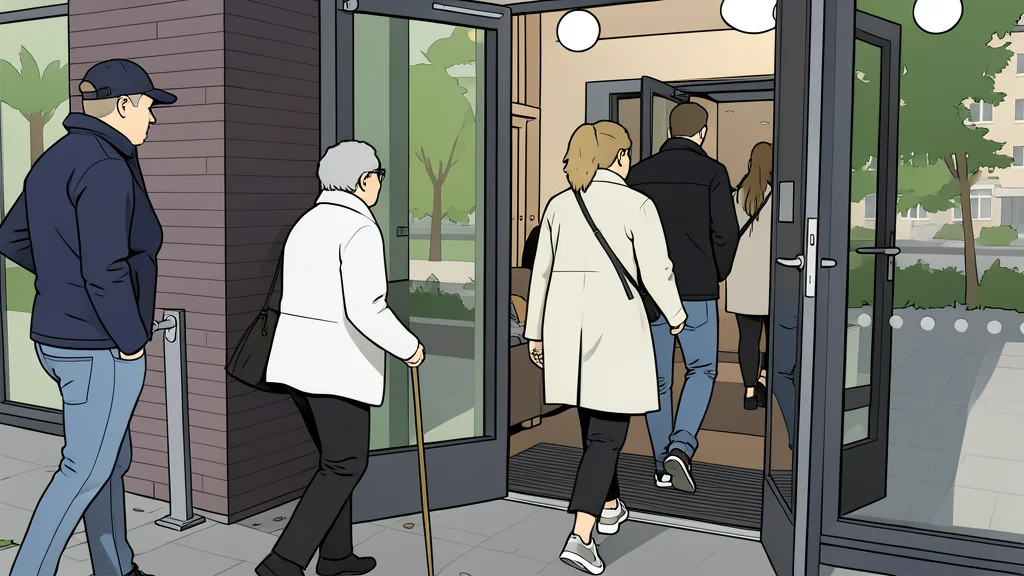
Swedish voters head to the polls with a potential historic shift toward the far right in government, as both major blocs seek decisive mandates.
Swedish voters are casting their ballots in a parliamentary election that could fundamentally alter the country's political landscape. For the first time, the far-right Sweden Democrats party may transition from a parliamentary supporter to a full member of the governing coalition. This development marks a significant departure from Sweden's traditional center-left and center-right power dynamics, placing immigration and social policy at the forefront of the national debate.
According to GN geopolitics/politics (en-US), opinion polls leading up to the vote showed the centre-left opposition holding a narrow lead over the ruling right-wing bloc. However, Prime Minister Ulf Kristersson managed to narrow the gap in the final days of the campaign. His rival, Magdalena Andersson, faced challenges as her Social Democratic Party saw a decline in support, complicating her path to forming a stable cabinet.
Competing visions for social policy
The two main blocs have staked out distinct positions on key issues. Supporters of the right-wing camp argue that recent policies have successfully curbed gang violence and reduced immigration. Kristersson has indicated that if his bloc wins, he is prepared to include the Sweden Democrats in a four-party government led by his Moderate Coalition Party.
In contrast, Andersson has criticized her opponents' approach, arguing that the country has become a harsher and quieter society under their watch. She pointed to declining purchasing power for households and emphasized the need for public solidarity during difficult economic times. The centre-left camp, which includes the Greens, the Left Party, and the Centre Party, generally advocates for higher social spending, though internal disagreements remain on issues such as nuclear energy and tax policy for the wealthy.
Small parties hold decisive leverage
The outcome of the election may hinge on the performance of smaller parties, particularly the Liberals. If they clear the four-percent threshold required for parliamentary entry, their seats would strengthen the right-wing bloc. This would make it easier for Kristersson to form a majority government without needing to negotiate extensively with the centre-left forces.
Conversely, the centre-left faces structural hurdles in forming a cabinet. The Centre Party has stated its refusal to support a government that includes the Left Party, a stance that limits Andersson's coalition-building options. Despite these internal complexities, both major blocs have expressed support for aiding Ukraine and rearming the military, showing a rare consensus on foreign policy and defense matters.
Awaiting exit poll results
Polling stations across Sweden are open from 8:00 a.m. to 6:00 p.m. local time, with exit polls expected to provide the first indications of the vote's direction shortly after closing. Analysts are watching closely to see if the Sweden Democrats' influence will expand beyond their current role as minority supporters. The final tally will determine whether Kristersson can secure a stable government or if Andersson can overcome internal party divisions to lead the country.
In the coming days, attention will turn to the negotiations between party leaders. The ability to form a coalition will be the next critical test, with the potential inclusion of the far-right in the government representing a historic shift for Swedish politics. Observers will also monitor how the new government, whichever it may be, addresses the ongoing cost-of-living crisis and maintains Sweden's stance on international security.