U.N. Experts Find Reasonable Grounds for War Crimes in Iran Strikes
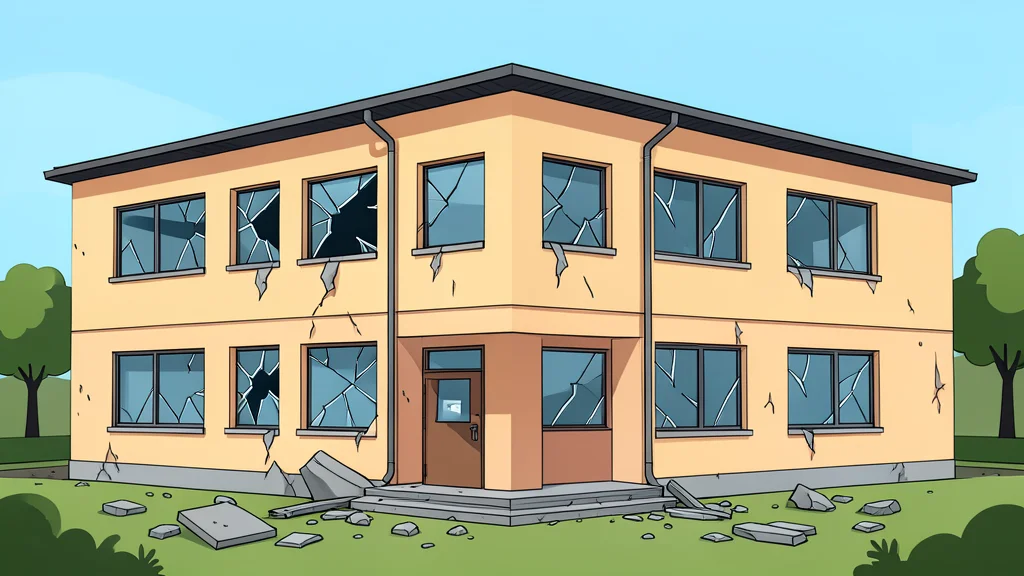
Independent investigators commissioned by the United Nations have concluded that U.S. military actions in Iran may constitute war crimes, specifically citing an attack on a school in Minab that killed dozens of civilians.
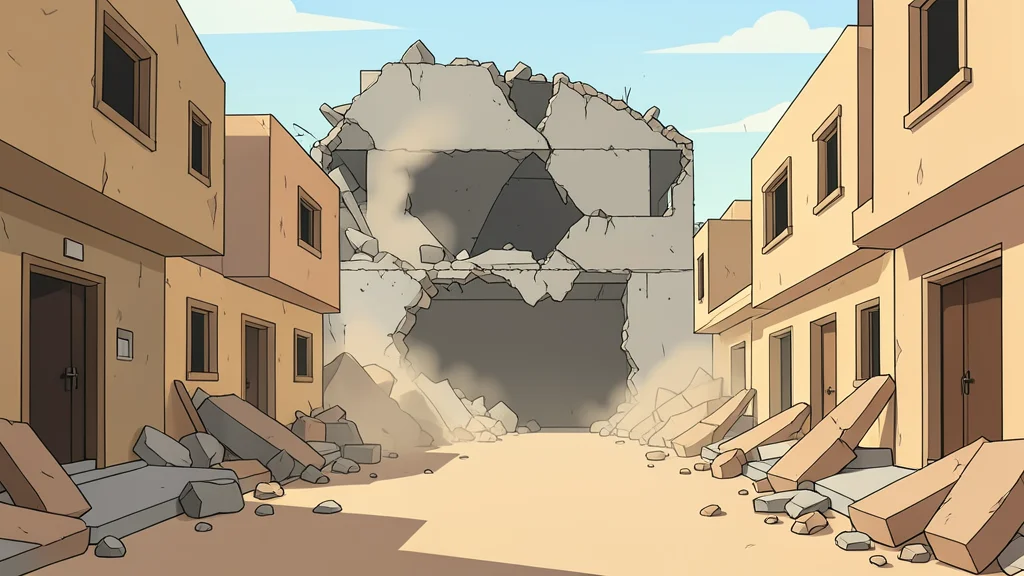
A fact-finding mission chaired by independent experts has identified reasonable grounds to believe the United States committed war crimes during two specific airstrikes in Iran. The investigation, conducted for the U.N. Human Rights Council, highlights a strike on a school in the southern city of Minab and another incident in Lamerd, where precision-guided munitions were used against civilian areas. These findings add a layer of international legal scrutiny to the ongoing conflict, suggesting that the actions in question may have violated the laws of armed war.
According to the report published by the mission, the strikes resulted in the deaths of at least 178 civilians, including many children. The experts noted that the school building was a clearly identifiable target, challenging claims that the damage was merely collateral. While the U.S. State Department has not issued a direct response to the allegations, the report marks a significant step in documenting potential violations by state actors, providing a framework for future accountability efforts in international courts.
Findings on Indiscriminate Airstrikes
The investigation centers on attacks carried out on February 28, involving Tomahawk missiles and Precision Strike Missiles. The mission concluded that the use of these weapons against the Shajareh Tayyebeh school in Minab was not an errant strike but a targeted impact. In a separate incident in Lamerd, the dispersal of tungsten pellets from missiles over a sports complex and residential area killed 22 civilians. U.S. Central Command has denied responsibility for the Lamerd strike, but the experts maintain that the evidence points to indiscriminate attacks that caused significant loss of life and damage to civilian objects.
The report emphasizes that the damage to the school was consistent with a direct hit rather than secondary effects from an attack on a nearby military compound. This distinction is crucial for legal proceedings, as it shifts the narrative from unavoidable collateral damage to intentional targeting. The findings from this mission, while not binding, contribute to the broader body of evidence being gathered regarding the conduct of hostilities in the region.
Allegations of Crimes Against Humanity
In addition to the allegations against the United States, the experts accused Iran’s government of committing crimes against humanity against its own population. The report details a pattern of violent repression over the last two years, including the use of assault rifles against crowds, beatings of protesters, and the arrest of healthcare workers. Detainees reportedly faced torture and were denied legal counsel, leaving their families without information regarding their whereabouts. The experts stated that these actions constitute a widespread and systematic attack on civilians.
The mission also noted a significant intensification in the use of the death penalty by the Tehran government. According to the report, more than 70 individuals, including five women and three boys, are at imminent risk of execution. These findings highlight the severe human rights challenges faced by civilians within Iran, independent of the external military conflict. The experts recommended that both parties provide reparations to those affected by these violations.
International Scrutiny and Legal Implications
The fact-finding mission, established in 2022 by the Human Rights Council, is composed of independent experts led by jurist Sara Hossain. Although the council consists of 47 member states and the report is not legally binding, it serves as a critical piece of documentation for potential future prosecutions. The presentation of these findings to the council adds to the growing international evidence base regarding the war in Iran, potentially influencing diplomatic responses and legal strategies in the coming months.
As the situation evolves, the focus will shift toward how international bodies utilize these findings to pursue justice. The report underscores the complexity of attributing responsibility in modern conflicts and the ongoing struggle to hold all parties accountable for adherence to international law. Observers will watch for reactions from the U.S. government and Iran, as well as the potential for further investigations or legal actions based on the documented evidence of civilian harm and state repression.