Sudan Mine Collapse Death Toll Rises Amid Ongoing Conflict
Rescue efforts continue in West Kordofan as the death toll from a gold mine collapse rises to at least 82, with many more feared trapped in the rubble.
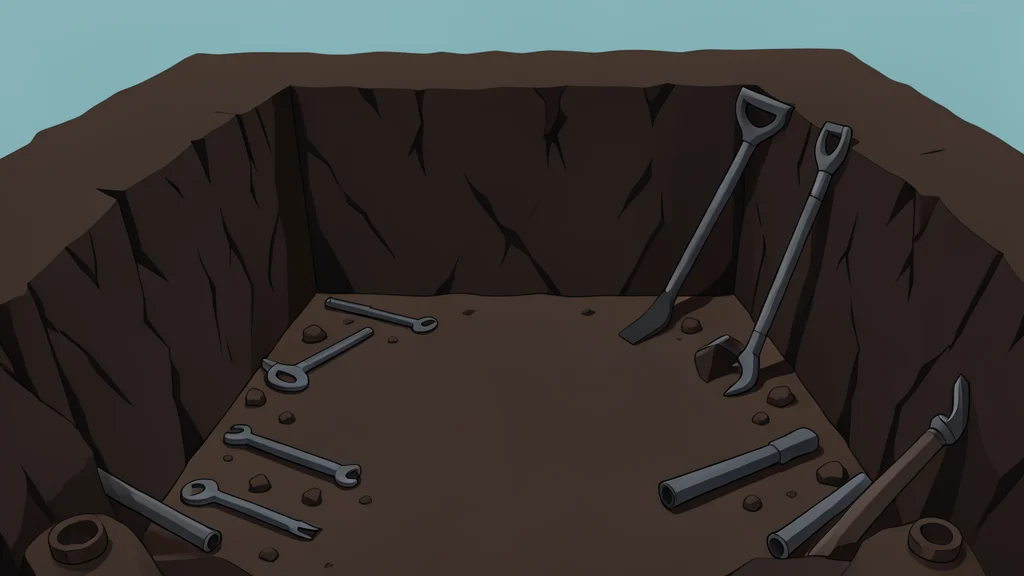
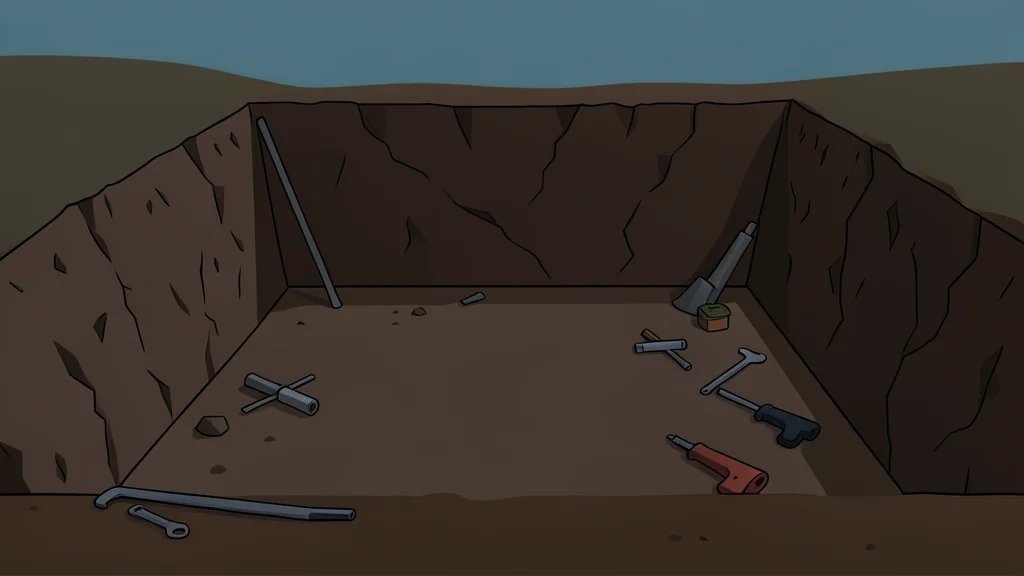
The death toll from a catastrophic collapse at an informal gold mine in western Sudan has risen to at least 82, according to local officials and monitoring groups. The incident, which occurred in the Nuhud area of West Kordofan province, has left dozens of workers unaccounted for as rescuers struggle with limited equipment to reach those potentially still trapped inside the mine shafts.
Survivors and local administrators describe the scene as dire, with the collapse spreading across interconnected shafts in fragile sandy soil. The al-Zara mine is located in a region controlled by the Rapid Support Forces, a paramilitary group that has been engaged in a devastating war with the Sudanese military since April 2023. This tragedy underscores the precarious conditions faced by miners in a country where safety standards are rarely enforced and the conflict has severely disrupted basic infrastructure and aid access.
Limited Resources Hinder Rescue Efforts
According to Suleiman Abu Hmeida of the Emergency Response Rooms, a grassroots network supporting communities in war-torn areas, rescuers recovered 82 bodies by Wednesday afternoon. However, he noted that dozens remain unaccounted for, highlighting the scale of the disaster. A local administration official, speaking on condition of anonymity, confirmed the body count and explained that the collapse began on Sunday and quickly spread to adjacent shafts.
The lack of heavy machinery is a critical obstacle in the search for survivors. Khairal-Sayed Gabara, a survivor, stated that there is no equipment available to lift the dirt and stones at depths exceeding 30 meters. The only machinery available for the rescue operation is a single privately owned forklift, which is insufficient for the massive amount of rubble that must be cleared. This scarcity of resources reflects the broader collapse of state services and logistical capabilities in regions affected by the ongoing conflict.
Context of War and Informal Mining
The al-Zara mine is one of thousands of small-scale, informal mining sites scattered across Sudan. These operations employ unregulated workers and operate without basic safety measures, a pattern that has led to previous deadly incidents. In 2023, a collapse killed 14 miners, and a similar event in 2021 claimed 38 lives. Experts commissioned by the United Nations have noted that large quantities of gold are smuggled from these regions to finance the RSF, which controls key gold-producing areas in Darfur and Kordofan.
This incident is part of a wider humanitarian crisis driven by the all-out war that has engulfed the country since 2023. Monitoring groups like Armed Conflict Location & Event Data estimate that the conflict has killed at least 59,000 people, a figure that aid organizations believe is an undercount. The war has pushed parts of the country into famine, leaving populations vulnerable to further disasters with little external support or regulatory oversight.
Uncertainty Over Final Death Toll
Different groups have provided varying estimates of the casualties, with the Sudan Doctors Network reporting 67 bodies initially and the Kordofan Observatory citing at least 70 killed or missing. Al-Amin Suliman, another survivor, indicated that 60 bodies had been recovered as of Wednesday morning, while noting that people were still stuck inside. The discrepancy in figures highlights the challenges of accurate reporting in a conflict zone with limited communication and access.
As the rescue operation continues, the forward question remains whether any survivors can be reached in the coming days. The final death toll is expected to rise as rescuers work through the rubble. The incident serves as a grim reminder of the human cost of the conflict, where economic necessity drives people into dangerous informal industries, and the absence of state authority leaves them without protection or effective emergency response.