Philippines Seeks Unified Stance on West Philippine Sea Diplomacy
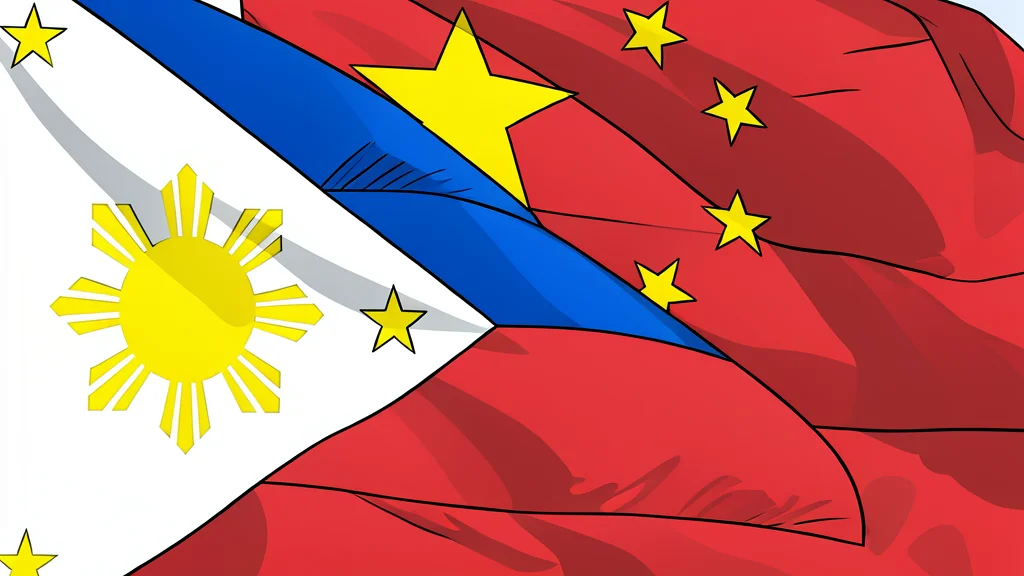
Manila faces pressure to align diplomatic and defense messaging to present a coherent front to Beijing and international partners.
The Philippine government is under increasing scrutiny regarding its inconsistent public messaging on China, a discrepancy that analysts argue weakens Manila’s negotiating position in the West Philippine Sea. According to an editorial published by Eurasia Review, the simultaneous use of soft diplomatic language by the Department of Foreign Affairs and hardline defense rhetoric by the Department of National Defense creates a fragmented narrative. This dissonance, the piece suggests, not only confuses domestic audiences but also provides Beijing with an opportunity to exploit perceived divisions within the Philippine administration.
The core of the critique lies in the lack of a single, coherent script for engaging with China. While the Department of Foreign Affairs focuses on international law and dialogue, the Department of National Defense emphasizes deterrence and military readiness. The editorial argues that these two tracks, while individually necessary, must be synchronized. Without a unified voice, the Philippines risks eroding public trust and diminishing its credibility among allies who expect consistency when coordinating security assistance in the region.
Defense diplomacy offers a regional model
To resolve this internal tension, the editorial points to the practice of defense diplomacy, a strategy already employed by several Southeast Asian neighbors. Countries such as Indonesia, Malaysia, Singapore, Thailand, and Vietnam have integrated military and diplomatic efforts to foster confidence and cooperative security. For the Philippines, adopting this approach would involve engaging China in structured defense talks and promoting transparency in military activities. This method allows for cooperation in humanitarian assistance and maritime safety, providing a stable framework that complements traditional diplomatic channels without sacrificing sovereignty.
The article notes that even the United States and China have recently moved toward a framework of strategic stability, demonstrating that rivals can manage deep mistrust through calibrated engagement. If these two major powers can recalibrate their relations to avoid escalation, the editorial asserts that the Philippines should be capable of finding a similar path. The goal is not to choose between dialogue and deterrence, but to ensure that both pillars operate from a single, coordinated policy stance.
Institutional coordination through the task force
The National Task Force on the West Philippine Sea is identified as the critical mechanism for achieving this alignment. Currently, the task force is called upon to reinforce its role as the central hub for policy coherence between the diplomatic and defense sectors. By institutionalizing coordination, the body can eliminate contradictory statements and ensure that the government projects a consistent message. This internal discipline is viewed as essential for maintaining the credibility of Manila’s positions in multilateral forums and in bilateral negotiations with Beijing.
Watch for unified messaging in forums
The forward question centers on whether Manila can successfully synchronize its diplomatic and military communications in upcoming international engagements. Observers will likely watch for signs of a consolidated narrative, particularly during ASEAN discussions on a Code of Conduct in the South China Sea. The success of this alignment will be measured by the clarity of the Philippines’ stance and its ability to present a unified front that balances sovereign rights with strategic stability.