Turkish Authorities Face Backlash over LGBTQ+ Raids

Criticism is mounting in Turkey and across Europe following weekend raids targeting LGBTQ+ activists, prompting widespread condemnation from civil society and international bodies.
Raids targeting LGBTQ+ activists and organizations took place across major Turkish cities over the weekend, resulting in several arrests and the blocking of numerous social media accounts. According to GN geopolitics/rights (en-US), these actions have drawn sharp criticism from domestic civil society groups as well as officials in Brussels. The government framed the operations as part of the "Decade of Family and Population" strategy, a national initiative launched in May 2025 aimed at countering declining birth rates and reinforcing conservative social norms.
In response to the enforcement measures, demonstrations were held in Istanbul on Tuesday. A joint declaration by local LGBTQ+ associations emphasized that forming associations and advocating for rights are not criminal acts. The statement asserted that fundamental rights, including freedom of assembly, opinion, privacy, and the presumption of innocence, apply equally to all citizens regardless of sexual orientation or gender identity.
Broad Civil Society Condemnation
Support for the affected community has extended beyond LGBTQ+ groups, with 120 women’s rights organizations signing a joint statement criticizing what they describe as authoritarian trends in Turkey. Signatories argued that the repression of bodily autonomy, identity, and the right to organize constitutes a single political strategy. They rejected the government’s narrative of protecting families, pointing instead to structural issues such as poverty, housing crises, and gender-based violence as the primary threats to family stability.
Yildiz Taghizade of Women for Women’s Human Rights stated that the goal of these operations is to criminalize the community’s presence in the public sphere. She noted that this trend has developed over several years, aiming to prevent LGBTQ+ individuals from engaging in politics or claiming rights. The medical community has also voiced opposition, with the Turkish Medical Association describing the actions as a violation of human rights and demanding an end to discrimination based on gender identity or sexual orientation.
Political and Digital Repression
The scope of the crackdown has included significant digital restrictions. According to reports, more than 100 accounts belonging to activists, organizations, and international bodies such as Amnesty International Turkey were suspended in the days following the raids. Erkan Bas, chairman of the Workers' Party of Turkey, called for the immediate release of those arrested, arguing that the judiciary and censorship tools are being used to silence dissent rather than enforce law.
International Attention and Future Watch
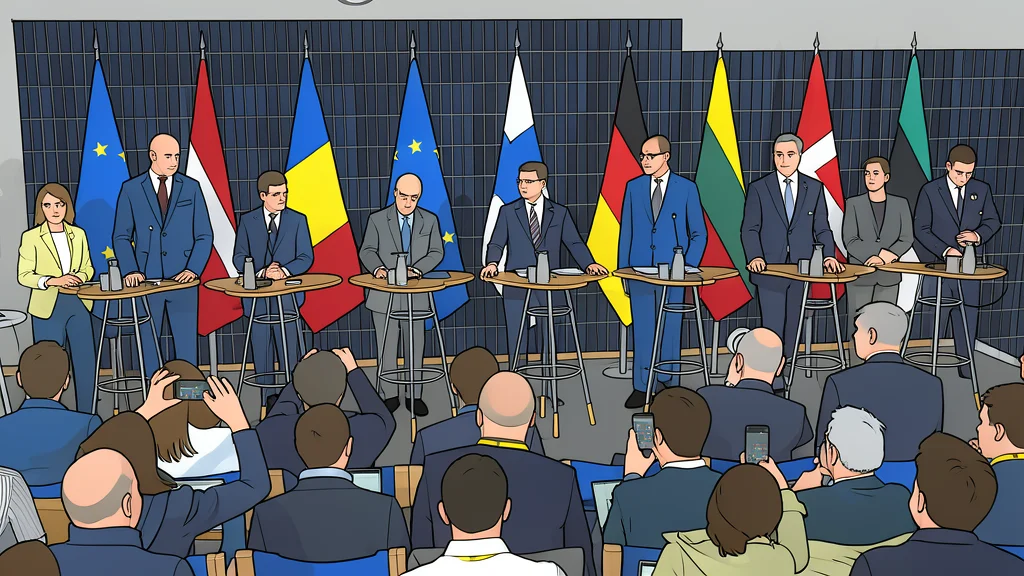
The situation has attracted attention from European institutions, with Brussels expressing concern over the escalating restrictions on civil liberties. As the debate continues, observers will be watching for further legal challenges to the arrests, potential diplomatic responses from the European Union, and any subsequent legislation that might codify the current enforcement measures. The coming weeks may reveal whether the government intends to expand these operations or if sustained domestic and international pressure will lead to a reversal of these policies.