Ukraine and Russia Question US Envoy's Role in Stalled Talks
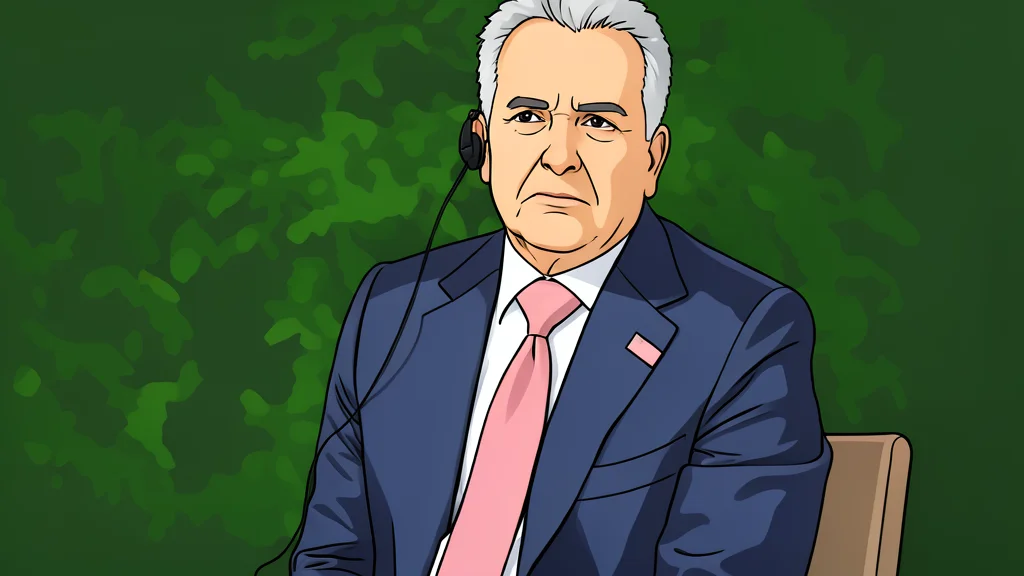
Diplomatic frustration is mounting in Kyiv and Moscow over the lack of progress in US-mediated peace negotiations, raising questions about the effectiveness of the current Washington strategy.
Diplomatic frustration is mounting in both Kyiv and Moscow regarding the current state of US-mediated peace negotiations. According to the Kyiv Independent, officials in both capitals are increasingly questioning the effectiveness of Special Envoy Steve Witkoff and his close associate, Jared Kushner. Their recent diplomatic missions to Russia and Ukraine in early September failed to yield significant breakthroughs, leaving the peace process in a state of stagnation that has eroded trust in the American mediation approach.
While Washington maintains that its envoys are actively working to resolve the conflict, sources indicate that behind the scenes, there are growing efforts to reconsider the roles of key US figures. Ukrainian and Russian officials alike have expressed dissatisfaction with what they perceive as a lack of substantive pressure on the opposing sides. This shared skepticism suggests a broader disconnect between the diplomatic strategy employed by the United States and the expectations of the parties directly involved in the conflict.
Growing Distrust in Mediation Efforts
Ukrainian officials have long harbored skepticism toward the envoy’s understanding of the war’s complexities. During recent trilateral negotiations, participants noted instances where Witkoff left the room without informing other delegates, a behavior that was interpreted as a lack of seriousness. Such episodes have reinforced a perception among Kyiv’s leadership that the US representative does not fully grasp the gravity of the situation. This sentiment is compounded by the belief that the US side is offering few new strategic ideas while failing to apply sufficient pressure on Russia.
The frustration in Kyiv is further deepened by Witkoff’s public praise for Russian President Vladimir Putin. During a recent meeting, Witkoff described his encounters with Putin as unforgettable moments of his life. Ukrainian officials view this demeanor as overly accommodating, particularly given Putin’s status as a wanted war criminal. They argue that such a tone is unlikely to persuade the Russian leader to make meaningful concessions, leading to a belief that the mediation is skewed in a way that disadvantages Ukraine’s negotiating position.
Moscow Blames Envoy for Diplomatic Failures
Conversely, the Kremlin has begun to place the blame for stalled negotiations on the US envoy. Russian officials increasingly believe that Witkoff played a role in the failure of previous summits, such as the one in Alaska. According to sources close to the process, Moscow suspects that information passed to President Trump by Witkoff did not always accurately reflect Russian intentions. This perception has led to a situation where both sides are directing their frustration toward the same individual, viewing him as a source of diplomatic missteps rather than a neutral facilitator.
The Kremlin’s criticism highlights a deeper issue with Washington’s approach. While the US aims to end the war, Russian officials feel that the mediation process lacks the necessary leverage to force Ukraine into territorial concessions. This creates a paradox where the mediator is viewed with suspicion by both parties, complicating the path toward a resolution. The inability to align the diplomatic message with the realities on the ground has left the peace process in an unusual and precarious position.
Trump’s Reluctance to Alter Strategy
Despite the growing frustration in both capitals, President Donald Trump appears reluctant to dislodge Witkoff from his role. The US president trusts the envoy to carry the peace process forward, even as his son-in-law and key negotiator Jared Kushner also plays a significant part in the efforts. This steadfast support for the current team suggests that Washington is not ready to pivot its diplomatic strategy, despite the clear signs of stagnation and distrust from both Ukraine and Russia.
The situation leaves the peace process in a fragile state, with the primary mediator becoming a source of contention rather than a bridge. As both Kyiv and Moscow seek to disrupt the envoy’s close relationship with Russian counterparts, the forward question remains how long the US will maintain its current approach. The next diplomatic moves will likely test the resilience of this strategy, with both sides watching closely for any signs of change in Washington’s leadership of the negotiations.