BRICS 2026 Summit: Navigating Fragmentation and Trade Realities
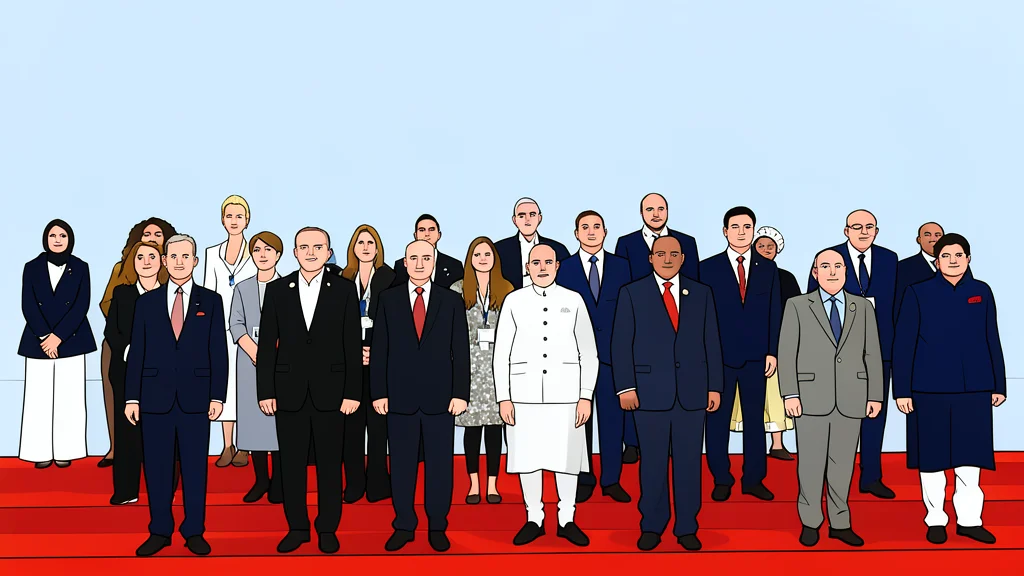
The conclusion of the 18th BRICS Summit in New Delhi marks a shift from symbolic expansion to practical economic coordination, as the bloc seeks to stabilize trade amid rising global protectionism.
The 18th BRICS Summit in New Delhi has concluded, leaving behind a set of declarations that prioritize pragmatic economic integration over dramatic geopolitical shifts. According to reporting from GN auto geopolitics/global: international summit, the gathering served as a critical moment for the expanded bloc to define its role in an increasingly fragmented world. The primary focus shifted away from the long-speculated creation of a common currency, moving instead toward strengthening existing payment mechanisms and fostering dialogue among members with diverging strategic interests.
The summit took place against a backdrop of heightened global tension, with ongoing conflicts in West Asia and Ukraine disrupting energy markets and supply chains. In this environment, protectionism has become a dominant force, with tariffs increasingly used as tools of geopolitical pressure. For developing economies, which are often the first to feel the consequences of such trade barriers, the BRICS platform offers a space for coordinated responses. The New Delhi Declaration expressed deep concern over these unilateral measures, emphasizing the need for dialogue and consultation rather than isolated action.
Expansion Creates Internal Complexity
The growth of BRICS beyond its original five members has significantly increased its demographic and economic weight, now representing nearly half of the global population and approximately 40% of global GDP. However, this expansion introduces substantial challenges in reaching consensus. Members such as Iran and the UAE approach regional security from different perspectives, while India and China continue to navigate strategic competition alongside diplomatic engagement. Russia’s confrontational stance with the West contrasts sharply with India’s extensive ties to the United States and its allies, creating a complex diplomatic landscape.
Despite these differences, the ability to maintain a forum for discussion is viewed as the bloc’s core value. The summit demonstrated that BRICS does not need to function as a military alliance or a unified anti-Western bloc to remain relevant. Instead, its strength lies in providing a room where nations with diverging priorities can continue to communicate. The consensus reached on the Middle East crisis, which called for maximum restraint and diplomacy, highlighted the significance of maintaining this open channel despite internal disagreements.
Pragmatic Trade and Financial Integration
A central theme of the New Delhi discussions was the practical enhancement of trade and financial systems. Rather than pursuing a single BRICS currency, the focus was on increasing the use of national currencies and improving cross-border payment efficiency. The BRICS Payment Task Force is tasked with examining ways to connect existing payment and messaging systems, aiming to make settlements faster and cheaper. This approach is considered more immediately meaningful than the creation of a new monetary instrument, particularly for small businesses and consumers.
The potential for linking digital payment systems, such as India’s UPI and Brazil’s Pix, offers a tangible pathway for reducing transaction costs. However, the integration faces significant hurdles, including differing regulatory frameworks, capital controls, and trade imbalances. The summit also highlighted the role of the New Development Bank and proposed initiatives like the BRICS Risk Lab in Gujarat’s GIFT City, signaling a commitment to development finance and local-currency lending as key pillars of the bloc’s economic agenda.
Future Challenges in Global Governance
As BRICS moves forward, the next phase will test its ability to translate diplomatic consensus into concrete economic outcomes. The emphasis on technology, including artificial intelligence, suggests a growing interest in collaborative innovation, though the text provided cuts short on specific details in this area. The critical question remains whether the bloc can maintain its cohesion while managing the diverse interests of its members. The success of the payment integration efforts and the continued stability of the New Development Bank will likely serve as the primary indicators of BRICS’ evolving influence in global governance.