Ukraine's 2014 Defense Gaps Mirror Current European Security Debates
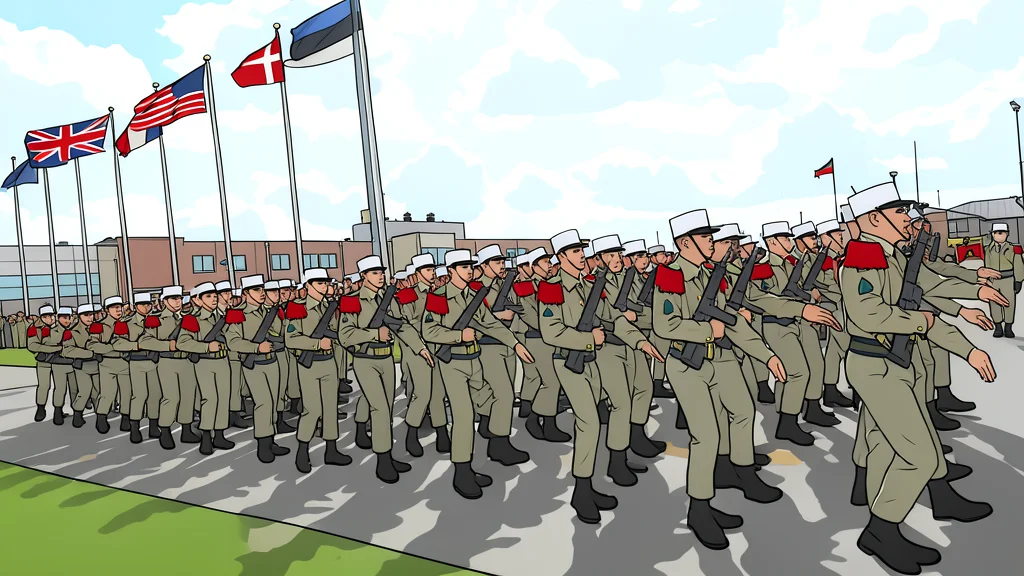
Analysis suggests Europe may be repeating Ukraine's pre-2014 strategic errors, citing similar patterns of defense neglect and information exposure.
Key points
- Ukraine's pre-2014 military neglect was driven by the belief that great-power conflict was obsolete, leading to reduced defense spending.
- Russian influence penetrated Ukraine's political and information spaces, including high-level defense roles, weakening institutional integrity.
- The analysis warns that Europe may be repeating these strategic errors by prioritizing economic convergence over military readiness.
A recent analysis published by The Japan Times draws a stark parallel between Ukraine’s military state prior to the 2014 annexation of Crimea and Europe’s current security posture. The report argues that both regions have experienced a period of strategic complacency, where defense capabilities were eroded by long-term political choices rather than immediate external threats. This comparison suggests that the institutional weaknesses present in Kyiv over a decade ago are now visible in Brussels and other European capitals.
According to the article, Ukraine’s military was significantly hollowed out by decades of neglect, a situation driven by the belief that great-power conflict was no longer a realistic possibility. The prevailing intellectual consensus at the time held that liberal democracy had triumphed, leading policymakers to prioritize economic convergence over military readiness. This shift in perspective resulted in a deliberate reduction of defense spending, under the assumption that security assurances would replace the need for robust armed forces.
Security assumptions replaced military readiness
The central argument posits that Ukraine traded tangible military strength for diplomatic guarantees, specifically through the 1994 Budapest Memorandum. By surrendering its nuclear arsenal in exchange for security assurances, Kyiv accepted a framework that ultimately failed to protect its sovereignty. The article notes that this decision was influenced by a widespread belief that the arc of progress bent toward peace, making the maintenance of a large, ready army seem like an inefficient use of scarce resources.
This strategic shift created a vulnerable window where the military structure could not withstand sudden aggression. The neglect was not merely passive but active, shaped by a political environment that viewed armed conflict as a relic of the past. Consequently, when the geopolitical landscape shifted abruptly, the institutions required to respond were ill-equipped for the demands of modern warfare.
Internal political penetration undermined defense
Beyond structural neglect, the analysis highlights the role of internal political vulnerabilities in undermining Ukraine’s defense capabilities. The report indicates that Russia successfully penetrated Ukraine’s information space, promoting pro-Kremlin narratives and cultivating political allies. This influence extended into high-level government positions, with the article citing a former Russian citizen serving as minister of defense under President Viktor Yanukovych.
Such infiltration suggests that the military was not only underfunded but also sabotaged from within. The presence of individuals with conflicting loyalties in key decision-making roles exacerbated the lack of readiness. This internal compromise meant that even if resources had been available, the institutional integrity required to deploy them effectively was compromised by foreign influence.
Europe faces similar strategic risks
The article concludes by suggesting that Europe is currently sleepwalking toward a similar catastrophe. By drawing this direct line to Ukraine’s pre-2014 state, the analysis implies that current European policies may be repeating the same mistakes. The warning is that without a fundamental shift in strategic thinking, the continent may find itself unprepared for a sudden escalation in great-power competition.
This perspective calls for a reevaluation of how Europe views its security obligations. It suggests that relying on diplomatic assurances and economic integration alone is insufficient in a volatile geopolitical environment. The forward question remains whether European leaders will recognize these parallels in time to strengthen their defenses before facing a similar shock.