Central Asia Weighs Local Drone Production
Regional leaders are reassessing reliance on foreign suppliers, seeking to build domestic manufacturing capabilities to address long-term security and economic sustainability.
The proliferation of unmanned aerial vehicles on modern battlefields has shifted the strategic calculus for Central Asian states. While recent conflicts in the region have highlighted the tactical utility of drones, they have also exposed a critical vulnerability: an increasing dependence on external suppliers. According to The Diplomat, this reliance often mirrors previous security dependencies on Russian systems, now potentially transitioning to Turkish platforms, which raises questions about long-term autonomy and supply chain resilience.
Recent developments suggest a growing recognition among regional policymakers that imported systems, while cost-effective initially, carry significant long-term liabilities. The argument is emerging that investing in local assembly and development could mitigate these risks, offering a path toward greater strategic independence without sacrificing operational capability.
High Costs of Imported Systems
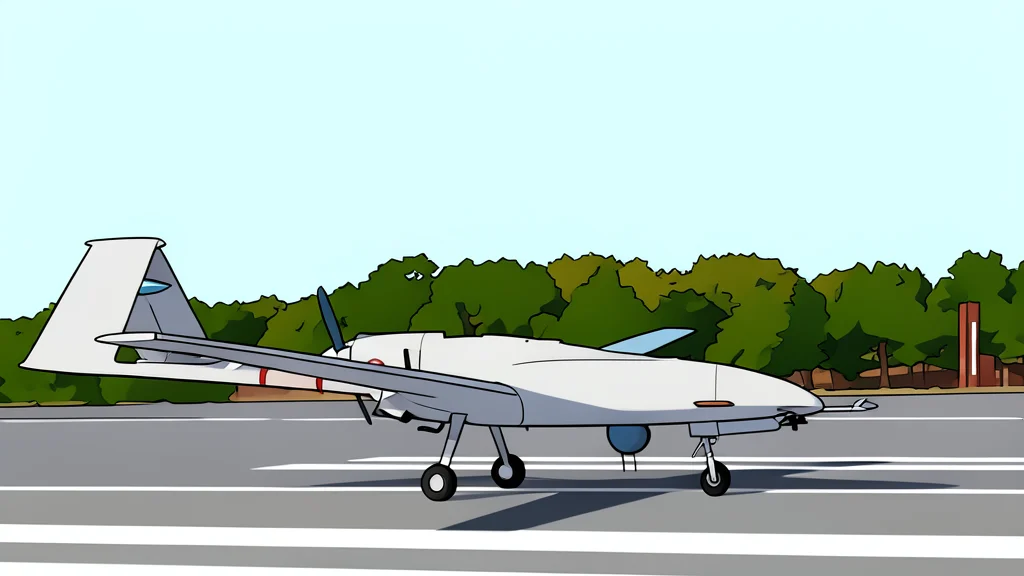
The 2022 border conflict between Kyrgyzstan and Tajikistan marked a turning point, where Turkish Bayraktar TB2 drones played a prominent role. Following this incident, Bishkek expanded its procurement of Turkish platforms, including Aksungur and Akinci drones. However, the financial burden extends beyond the initial purchase price. Civil servants in Kyrgyzstan reportedly accepted salary reductions to fund these acquisitions, a sacrifice that does not account for the ongoing costs of maintenance, spare parts, and ammunition.
Reliance on a single foreign supplier creates a fragile dependency, particularly when that supplier’s own strategic priorities are in flux. Turkiye’s defense policy has shifted in recent years, complicating the assurance of consistent support. For Bishkek, the risk lies not just in the hardware, but in the uncertainty of receiving necessary sustainment packages during future conflicts or periods of wear and tear.
Lessons from Recent Conflicts
The trajectories of the Russia-Ukraine war and the Iran-U.S. conflict offer instructive parallels. Initially, both Moscow and Kyiv relied on foreign-supplied drones, such as Iranian Shahed-136s and Turkish TB2s. However, the demands of prolonged combat forced a rapid shift toward local manufacturing and adaptation. Russia established domestic production lines, evolving its platforms with jet power and improved guidance, while Ukraine moved production in-country to incorporate real-time battlefield lessons.
These cases demonstrate that static foreign platforms are often ill-suited to the dynamic realities of non-permissive battlefields. The recent loss of a significant portion of the U.S. MQ-9 Reaper fleet in the Iran-U.S. conflict further underscores the vulnerability of imported systems to evolving anti-air capabilities. This suggests that the ability to rapidly iterate and locally produce drone technology is becoming a critical component of national defense strategy.
Emerging Regional Manufacturing Efforts
Tajikistan has begun exploring its own path to reduced dependency. In 2022, officials from Dushanbe and Tehran discussed a program for the local assembly of Iranian Ababil-2 drones. Although the political landscape has shifted since then, with key figures from both sides facing subsequent changes in status, the initiative highlights a broader regional trend. Leaders are increasingly viewing local production not merely as an economic project, but as a necessary step to secure operational independence and reduce exposure to external geopolitical pressures.