China Regularizes Maritime Presence East of Taiwan
Recent shifts in Chinese naval operations suggest a move from sporadic exercises to a sustained, institutionalized pressure strategy near the island's eastern waters.
Beijing has begun integrating maritime patrols into a more systematic and long-term framework, marking a significant departure from previous isolated military exercises. Since early June, Chinese forces have increased their assertiveness in waters east of Taiwan, a shift that analysts describe as a new form of coercion designed to regularize their presence and test international reactions to traffic controls.
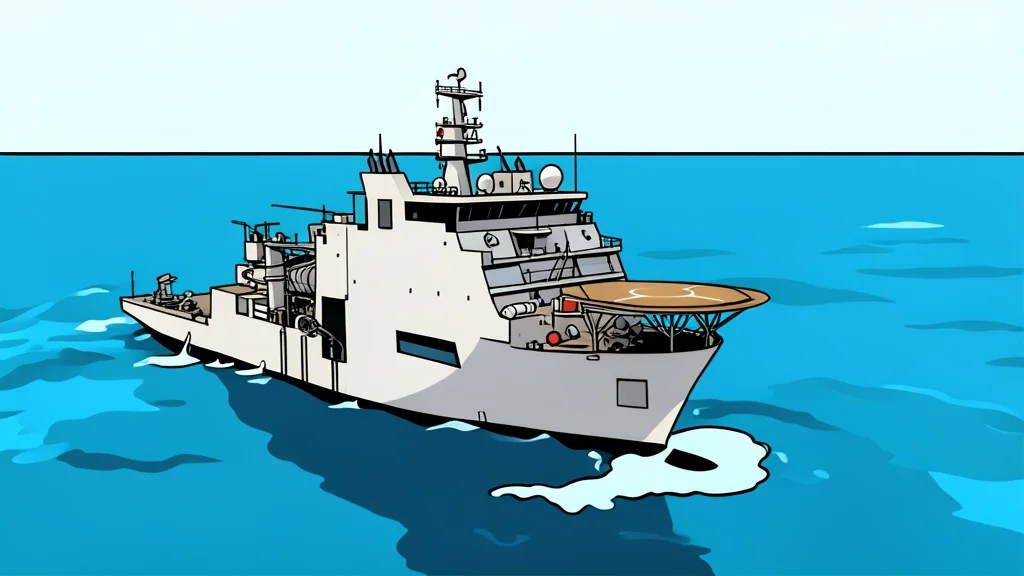
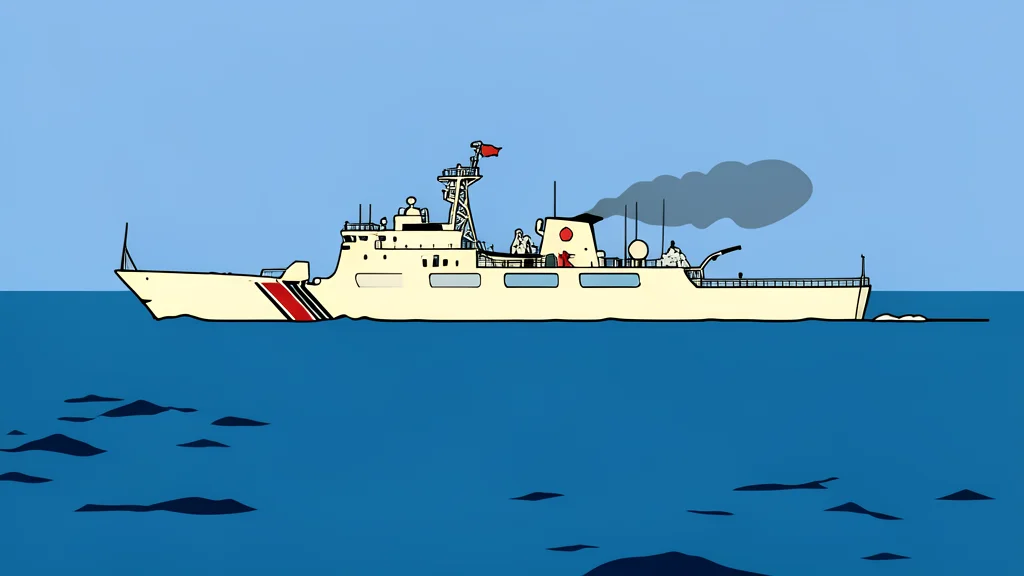
This operational change is characterized by the deployment of coast guard vessels and research ships that can conduct dual-use reconnaissance. According to The Diplomat, this approach aims to shrink the operational space available to Taiwan while signaling a willingness to enforce inspections on commercial traffic, a capability previously announced but rarely enforced with such consistency.
Institutionalizing Maritime Enforcement
Chinese state media recently declared that maritime patrols have entered a new phase, moving away from temporary drills toward a constant, law-enforcement style presence. Between June 6 and June 10, authorities conducted inspections on 198 passing vessels in the waters east of the island. This was not merely a symbolic gesture; Chinese coast guard ships used radio communications to demand compliance from transiting commercial ships, including those flagged by Singapore, Benin, and Liberia.
The scale of these operations suggests a deliberate effort to demonstrate governance over vessel traffic. By publicly reporting the number of inspections and any resulting corrections, Beijing asserts a narrative of jurisdiction that frames cross-strait dynamics as internal affairs. This normalization of inspections serves to lower the political and operational threshold for more restrictive measures in the future.
Strategic Shift to Eastern Waters
The geographic focus of these operations is notable. Historically, Beijing has prioritized the Taiwan Strait, where conditions are most favorable for amphibious operations. However, recent activity has concentrated in the waters opposite the strait, off Taiwan’s eastern coast. While this area has long been considered a low-priority zone for military landings due to steep terrain, it is critical for the island's energy imports and international supply lines.
Analysts suggest this shift aligns with a broader strategy to sever Taiwan from external support. By operating in the east, China effectively compresses the space available for Taiwanese naval and aerial operations. Furthermore, these patrols are claimed to be a response to maritime boundary discussions between Japan and the Philippines, aiming to deter strategic cooperation between two U.S. allies positioned north and south of the island.
Testing International Resilience
These multi-day patrols may serve as a rehearsal for potential quarantine measures, where Beijing selectively permits or denies commercial access to exert pressure on Taiwan’s economy. The current operations allow China to gauge the reaction of foreign powers to maritime traffic controls. While nations such as the United Kingdom, Germany, and France have issued joint statements expressing alarm, and Australia has raised concerns directly with Chinese officials, the intensity of future operations will likely depend on how Beijing interprets this diplomatic pushback.
The longer Chinese vessels remain on station, the more normalized their presence becomes, reducing the political cost of escalating to stricter controls. This gradual approach allows Beijing to test the limits of international tolerance while building a precedent for unilateral enforcement in contested waters.