Greece Leads Five-Nation Push for External Return Hubs
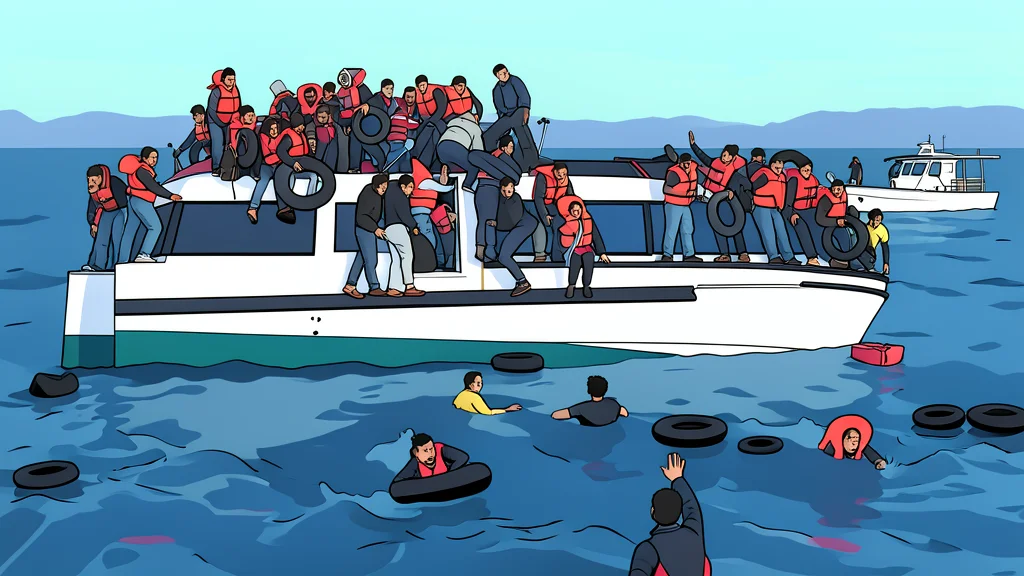
Greek and EU officials outline a 2027 timeline for processing center in Africa, citing rising deportation volumes.
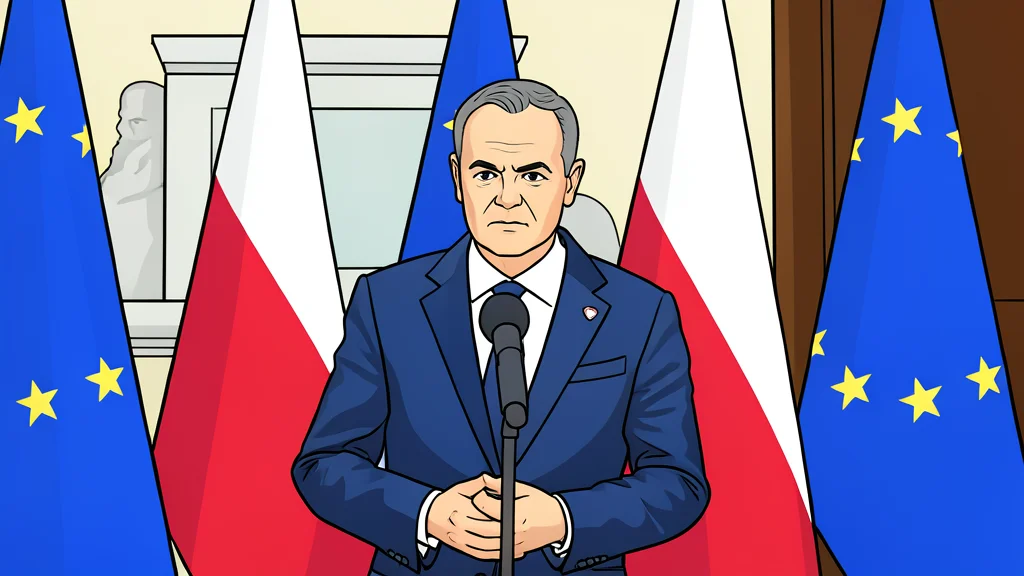
Greece is in advanced negotiations with an African nation to establish a return hub for individuals without legal status in the European Union, with operations targeted for late 2027. Greek Minister of Migration and Asylum Thanos Plevris announced the progress on September 16, noting that the initiative involves four other EU partners: Germany, Austria, the Netherlands, and Denmark. The agreement is currently a working draft, with the host country remaining unnamed until formal terms are finalized.
The proposed framework allows member states to transfer individuals to a partner country outside the bloc, rather than directly to their countries of origin. According to the report from GN geopolitics/migration (en-US), this model is part of a broader effort to coordinate returns and disrupt smuggling networks. The minister emphasized that the timeline represents a target rather than a confirmed opening date, pending final diplomatic and legal approvals.
Legal Frameworks and Human Rights Safeguards
The initiative is grounded in a provisional political agreement reached by EU negotiators in early June 2026. The Return Regulation envisions these hubs as facilities for processing or onward transfer, subject to strict compliance with international human rights standards. Denmark’s immigration ministry stressed that the model must respect the principle of non-refoulement and operate through mutually beneficial partnerships. Unaccompanied minors are explicitly excluded from such arrangements under the agreed rules.
Following a September 4 meeting in Copenhagen, the five governments agreed on guiding principles and a common timetable for national legal procedures. Delegations are scheduled to visit potential partner countries to assess whether local standards align with the agreed principles. The focus remains on ensuring that the operational framework meets both EU and international legal obligations before any formal agreement is signed.
Rising Deportation Volumes Across the Bloc
The push for external processing centers comes amid a significant increase in returns from the EU. Eurostat data shows that 34,550 people were returned to countries outside the bloc in the first quarter of 2026, an 8.1 percent rise compared to the same period in 2025. Germany recorded the highest number of returns at 7,300, followed by France with 3,775 and Poland with 2,660. These figures highlight the growing logistical and political pressure on member states to manage migration flows.
Next Steps in Diplomatic Negotiations
As the negotiations move toward a targeted agreement by the end of 2026, the focus shifts to the selection of the host country and the establishment of operational protocols. The five nations aim to finalize the legal framework necessary for the hubs to function as intended. Observers will likely watch for announcements regarding the specific African partner and the criteria used to vet the facility's compliance with human rights standards.