Mbappe Backs Ceuta Residents Amid Border Tensions
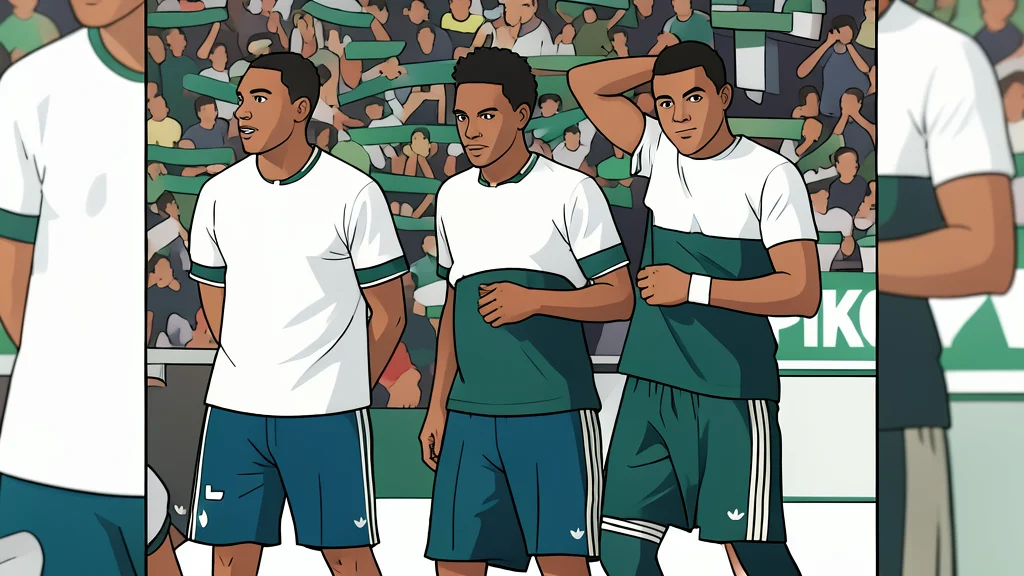
Kylian Mbappe has publicly expressed solidarity with the people of Ceuta and migrants following a recent controversy involving a jersey. The statement adds a high-profile dimension to the ongoing political and social discourse surrounding the Spanish enclave and its porous borders.
Kylian Mbappe has voiced his support for the residents of Ceuta and migrants following a dispute centered on a football shirt. The international footballer’s remarks have drawn attention to the complex social dynamics within the Spanish enclave, which shares a land border with Morocco. According to reports from GN geopolitics/migration (en-US), the controversy has intensified debates regarding identity, hospitality, and the treatment of those attempting to cross into European territory.
The incident highlights the broader geopolitical tensions in the region, where Ceuta serves as a focal point for migration pressures. While the initial trigger was a sporting garment, the reaction has spilled into the political sphere. Observers note that high-profile figures often influence public sentiment on such issues, potentially shifting the narrative from local administrative concerns to a matter of national and international interest.
Solidarity in a divided enclave
Ceuta has long been a site of significant migration activity, leading to frequent humanitarian and security challenges. The local population is diverse, comprising Spanish citizens, those of Moroccan origin, and long-term residents. Mbappe’s stance aligns with a growing segment of public opinion that emphasizes empathy over exclusion. This perspective contrasts with harder-line approaches that prioritize strict border control and national security protocols.
The controversy underscores the delicate balance between maintaining national sovereignty and adhering to international human rights standards. According to local officials, the administration remains committed to managing the border effectively while ensuring the safety of all individuals. The footballer’s comments have not been officially responded to by government bodies, but they have certainly amplified the public conversation on the subject.
Political implications of the dispute
Political parties in Spain are watching the situation closely, as it touches upon core issues of immigration policy and social cohesion. Opposition groups have called for a more compassionate approach to migration, citing the humanitarian crisis at the borders. Conversely, some factions argue that any perceived softness on border security undermines national integrity. The involvement of a global sports icon has made the issue difficult to ignore for policymakers.
Analysts suggest that the controversy may have long-term implications for how Spain manages its relationship with North Africa. The situation in Ceuta is not isolated but part of a broader pattern of migration flows across the Mediterranean. The public discourse is increasingly influenced by social media and celebrity voices, which can pressure governments to act swiftly or change their rhetoric.
Future developments to monitor
In the coming weeks, attention will turn to any official responses from Spanish authorities and the reaction of international bodies. The European Union may also weigh in, given its shared responsibility for external border management. Furthermore, the situation could influence upcoming local elections, where migration policy is a key campaign issue. Stakeholders will be watching for any de-escalation efforts or further inflammatory statements.
Ultimately, the episode serves as a reminder of the human cost of geopolitical tensions. As the debate continues, the focus should remain on finding sustainable solutions that respect both the rights of migrants and the security of the host community. The role of public figures in shaping this dialogue will likely remain significant in the near future.