Ukrainian Combat Experience Reshapes NATO Training Approaches
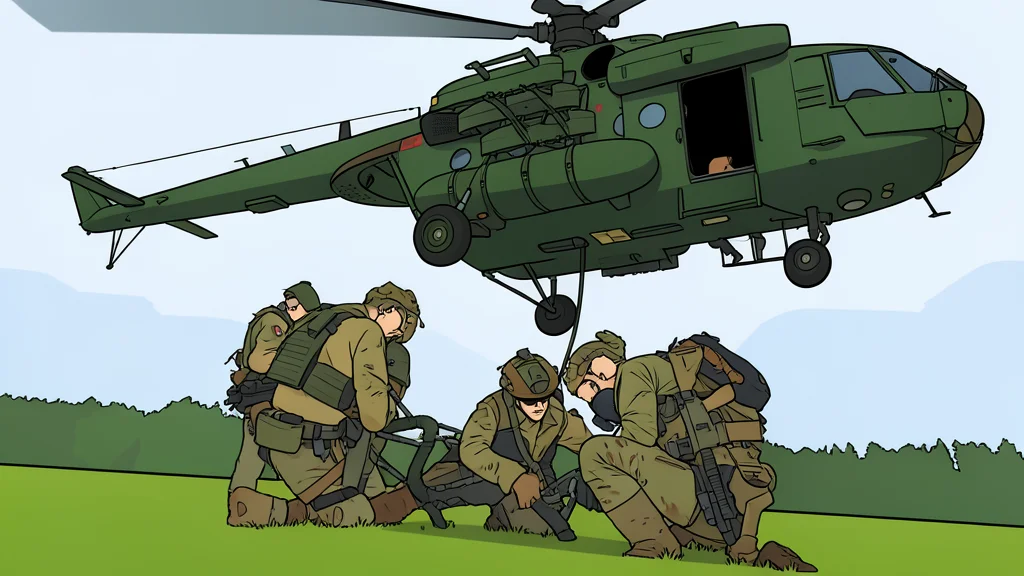
NATO instructors acknowledge that Ukraine's rapid adaptation to modern warfare is influencing Western military procedures and procurement strategies.
Western military trainers in Poland are recognizing a significant gap in operational tempo between their own forces and Ukrainian units. According to Business Insider, instructors leading training programs for Ukrainian personnel have acknowledged that the latter adapt to changing battlefield conditions far more quickly than standard Western procedures allow. This observation is prompting a review of how NATO armies structure their training, procurement, and equipment development.
The shift is not merely theoretical; it is being driven by direct feedback from the front lines. As noted by GN geopolitics/nato, this exchange of insights is influencing the Alliance’s interaction with the defense industry and its approach to modernization, suggesting that the experience of an active conflict is becoming a central resource for peacetime military reform.
Polish Training Camps Reflect Frontline Realities
At Camp Jomsborg in eastern Poland, which hosts Operation Legio led by Norway, the infrastructure itself reflects this adaptive pressure. The facility, constructed rapidly, includes a network of trenches, training villages, and specific zones for drone operations. Major John, who coordinates the training process, describes the camp as a critical point of interaction where the realities of the war in Ukraine meet the established operational procedures of Western armies.
Ukrainian servicemen and instructors with recent combat experience bring detailed reports of tactical developments to these sessions. Western personnel then adjust their training scenarios and modify elements of the training infrastructure accordingly. This direct feedback loop allows for a more dynamic curriculum that mirrors the fluid nature of modern hybrid warfare, rather than relying solely on static, pre-planned exercises.
Disparities in Drone Modernization Speeds
A specific area of concern is the pace of technological integration, particularly regarding unmanned aerial vehicles. Brigadier General Atlet Molde, commander of Task Force Legio, stated that peacetime procurement and modernization rules often hinder rapid capability upgrades in Western armies. He highlighted that while software updates for drone systems in Western countries can take months, Ukrainian engineers near the front line are able to implement changes every few days or weeks.
This rapid iteration allows Ukrainian forces to respond more effectively to emerging enemy tactics and new technologies. The contrast underscores a structural challenge for NATO member states, whose bureaucratic processes are designed for stability and long-term planning rather than the constant renewal demanded by active conflict zones.
NATO Initiatives to Accelerate Defence Innovation
In response to these challenges, NATO Secretary General Mark Rutte has called on allies to ramp up arms production and accelerate innovation. In July, he emphasized the need for a large-scale transformation of the transatlantic defense industry, specifically targeting the reduction of bureaucratic barriers in procurement and cross-border regulation. The goal is to create a more agile supply chain that can support the rapid deployment of new capabilities.
The Alliance has also launched initiatives such as NATO Front Door for Industry and NATO Engine. These programs are designed to help companies access NATO opportunities more easily, increase production capacity, and accelerate the development of necessary capabilities, particularly in the fields of unmanned aerial vehicles and countermeasures against them.
As the war in Ukraine continues to evolve, NATO armies are under pressure to shorten their planning and modernization timeframes. The collaboration at Camp Jomsborg serves not only to train Ukrainian personnel but also to provide NATO forces with practical insights that may fundamentally reshape their organizational approaches and readiness for future conflicts.