Manila Accuses Beijing of Patterned Disruption in Defense Forums
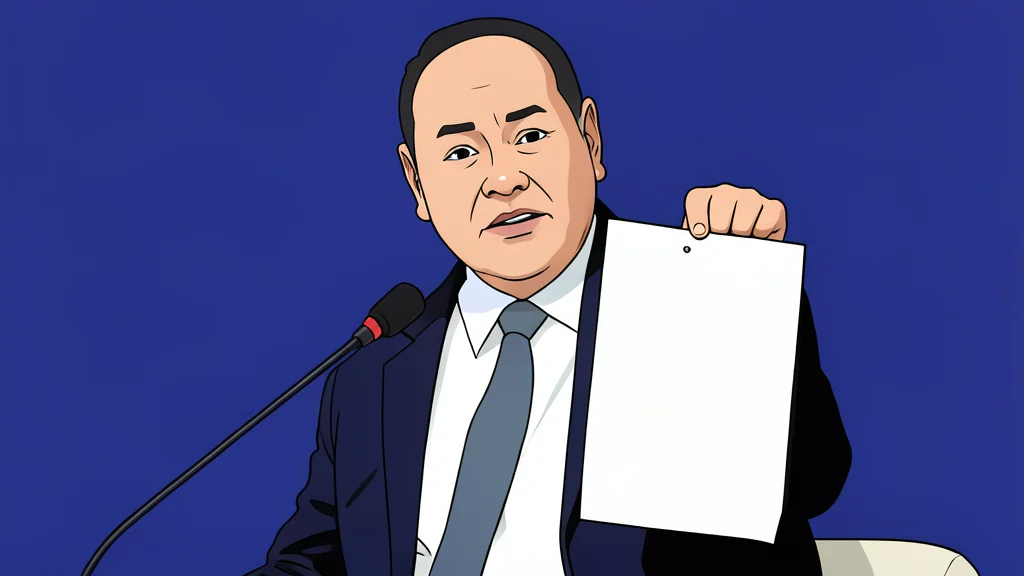
Philippine Defense Secretary Gilberto Teodoro has characterized recent diplomatic disruptions in Seoul as part of a broader strategy to reshape international discourse around the South China Sea.
Philippine Defense Secretary Gilberto Teodoro has publicly described a protest note delivered by Chinese officials during the Seoul Defense Dialogue as evidence of a recurring diplomatic tactic rather than an isolated incident. Speaking in late May, Teodoro argued that such actions are part of a systematic effort by Beijing to constrain alternative perspectives on regional security issues. He suggested that these moves are designed to shift the international order toward what he termed a Sinocentric framework, where Chinese interests dominate diplomatic and legal interpretations of territorial disputes.
According to the source GN auto geopolitics/asia-pacific: South China Sea, Teodoro’s comments highlight a growing friction point between Manila and Beijing in multilateral settings. The defense chief, a legal expert with education at the University of the Philippines and Harvard Law School, has consistently viewed China as a primary security threat since assuming office in 2023. His recent remarks underscore a strategic pivot toward strengthening alliances with the United States, Japan, and Australia, positioning these partnerships as essential counterweights to what he describes as coercive diplomatic practices by China.
Systematic Tactics in Multilateral Forums
Teodoro detailed specific instances where he believes Chinese diplomats have disrupted proceedings to advance Beijing’s narrative. He cited the Shangri-La Dialogue in Singapore, where he alleged that lower-ranking officials were sent instead of the defense minister to pose aggressive questions unrelated to the speaker’s content. In one notable case, he claimed a participant delivered a lengthy statement aligned with Chinese positions rather than engaging in a standard Q&A format. Teodoro also recalled an incident at the previous year’s Seoul Defense Dialogue, where a Chinese official reportedly delivered an alternative lecture reiterating territorial claims without posing a formal question.
The defense secretary emphasized that these behaviors are consistent across multiple international conferences. He noted that China often uses memos, provocative questioning, and off-topic assertions to reshape the narrative around the South China Sea. Despite a 2016 ruling by the Permanent Court of Arbitration that rejected China’s unilateral claims, Teodoro stated that Beijing continues to challenge the status quo. He criticized the diplomatic style as outwardly soft but underpinned by coercion, arguing that the goal is to shrink the space for dissenting views within the international community.
Legal Context and Strategic Alignment
Teodoro’s remarks reference the 2016 arbitration ruling, which he described as a foundational legal decision that China refused to participate in, anticipating a defeat. He sarcastically noted that if similar disruptions had occurred in Chinese forums, the consequences would likely be severe, contrasting this with the diplomatic norms typically upheld in Western-led conferences. This legal backdrop informs his current strategy of deepening security ties with Indo-Pacific nations. By aligning closely with the United States and other partners, Manila aims to create a robust coalition capable of countering what Teodoro describes as an active move by Beijing to make the international order more Sinocentric.
The emphasis on legal precedent and alliance-building reflects a broader shift in Philippine foreign policy. Teodoro’s background in law informs his approach to these disputes, focusing on the integrity of international arbitration and the importance of adhering to established norms. He argues that silencing nations and individuals who disagree with Beijing’s stance is a key component of China’s strategy. Consequently, Manila’s strengthened partnerships are framed not just as military alignments, but as efforts to preserve a rules-based order that allows for diverse perspectives on regional security and territorial sovereignty.
Forward Implications for Regional Diplomacy
As tensions in the South China Sea continue to simmer, the diplomatic tactics described by Teodoro are likely to shape future interactions in multilateral forums. Observers will watch for how other nations respond to similar disruptions and whether there is a coordinated effort to uphold procedural norms in defense dialogues. The coming months will test the resilience of Indo-Pacific partnerships as Beijing continues to assert its positions through both military presence and diplomatic maneuvering. The balance between coercive diplomacy and legal adherence remains a central question for regional stability.