Macron Orders Defense Plan Against Russian Hybrid Threats
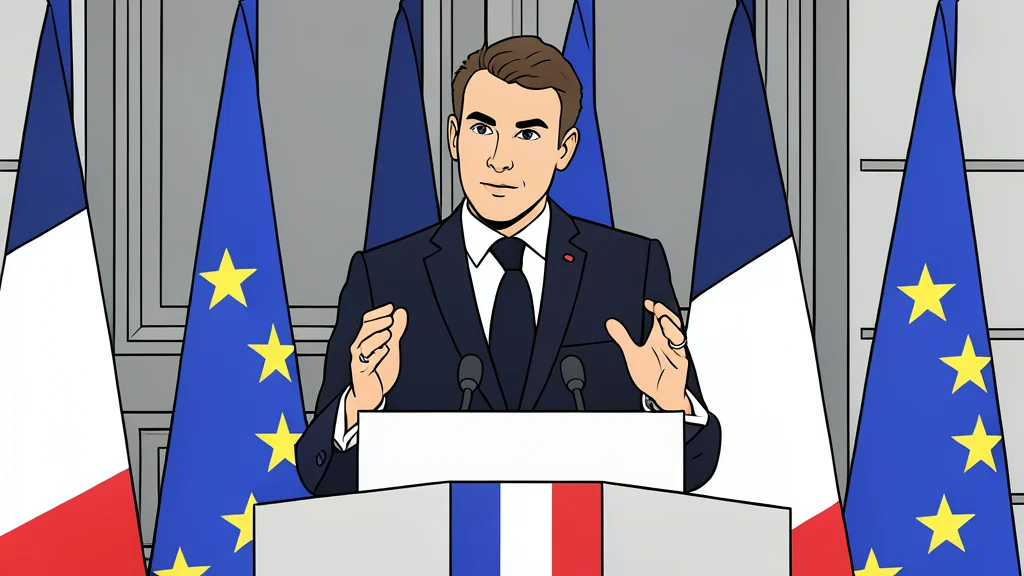
France has moved to fortify its critical infrastructure in response to what the President describes as an intensifying campaign of hybrid aggression from Moscow.
French President Emmanuel Macron has directed the government to develop a comprehensive strategy to protect the nation's most sensitive assets against emerging security threats. Speaking on Friday, the President characterized the current environment as one where the Russian hybrid threat has significantly intensified, prompting an urgent need for defensive measures.
According to Deutsche Welle, the announced plan focuses on shielding critical infrastructure, including defense industry sites and technology hubs, from a range of potential attacks. These measures are designed to counter specific risks such as drone incursions and cyber operations, reflecting a broader shift in European security posture toward resilience against non-traditional warfare.
Strategic Response to Intimidation Tactics
Macron stated that the objective of these Russian actions is to intimidate European nations and disrupt the ongoing support for Ukraine. He emphasized that France would not be deterred by these shadow attacks, asserting that the security of Ukraine is directly linked to the safety of Europe. The President vowed that such provocations would not go unanswered, signaling a firm commitment to maintaining the political and material aid provided to Kyiv since the full-scale invasion began in 2022.
Growing Concern Across European States
France’s announcement comes as several European nations report a rise in incidents attributed to Moscow. Poland, Germany, and Denmark have recently cited drone incursions, sabotage, and surveillance of military facilities as part of a coordinated pattern. Additionally, there are allegations that Russia planned a drone attack carrying explosives targeting an airport, underscoring the perceived escalation in hostile activity.
Call for Unified EU Mechanism
In light of these developments, European Commission President Ursula von der Leyen has argued for the creation of an EU-level response mechanism. She suggested the bloc needs a framework similar to NATO to address incidents that threaten national security but fall below the threshold of armed aggression. This call for a collective approach aims to standardize how member states identify and react to hybrid threats, ensuring a more cohesive and effective defense strategy.