Ukrainian Officers Share Combat Tactics with NATO Partners in Lublin
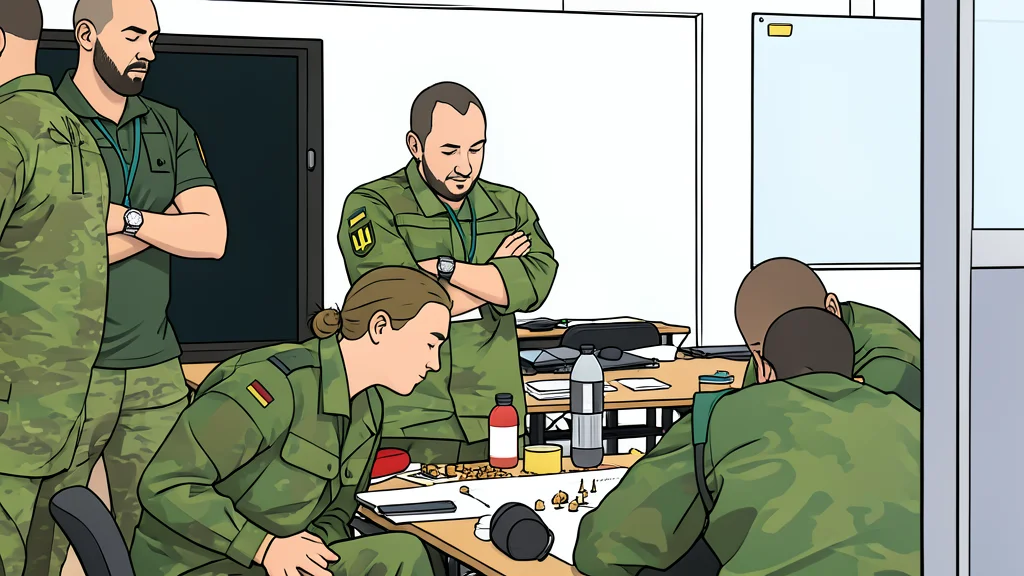
Ukrainian military personnel recently conducted a series of seminars with Polish and German officers, focusing on the integration of modern combat lessons into NATO doctrinal frameworks.
Ukrainian service members with direct combat experience recently engaged in a structured exchange of knowledge with officers from the Polish and German armed forces. This interaction was facilitated through the NATO-Ukraine Joint Analysis, Training, and Education Center, which organized a series of seminars designed to translate Ukraine's recent wartime insights into applicable tactical procedures. The primary objective was to examine how lessons learned on the front lines can be systematically integrated into broader alliance training methodologies.
The sessions moved beyond theoretical discussion to include practical exercises that simulated modern operational environments. Participants focused specifically on troop command procedures and the decision-making processes required in high-intensity scenarios. According to reports from the Ministry of Defense, these interactions provided a critical opportunity for direct comparison between real-world operational experience and existing doctrinal approaches, highlighting areas where traditional methods may require significant adaptation.
Integrating Modern Warfare Lessons
A central theme of the seminars was the evolving impact of technology on tactical operations. Participants examined the specific effects of unmanned aerial systems, electronic warfare, and enhanced intelligence support on the maneuvering of forces. The expertise shared by Ukrainian officers underscored the necessity of rethinking established views on command and control in an environment defined by rapid technological shifts and decentralized information flows.
Valeriy Vyshnevskyi, Ukraine’s Senior National Representative to the center, noted that the practical nature of these exercises allows for joint testing of how frontline experience can be applied to troop training. This approach aims to bridge the gap between abstract strategic planning and the granular realities of modern combat, ensuring that instructional materials remain relevant to current battlefield conditions.
Building Tactical Interoperability
The three-week program took place in Lublin, Poland, at the headquarters of the Lithuanian-Polish-Ukrainian Brigade. This unit provided the necessary infrastructure to host the seminars, which were part of a broader project to support the 'Captains’ Training' course. The initiative is designed to facilitate a sustained exchange of operational experience at the tactical level between the Armed Forces of Ukraine and NATO member states, fostering greater interoperability among allied forces.
During the course, officers focused on mastering Troop Leading Procedures for planning unit operations at the company level, as well as the Military Decision-Making Process for battalion headquarters. These skills are fundamental to effective command and control. The program has been supported in Ukraine since 2022 by the 'Come Back Alive' Foundation, which provides essential training facilities and housing for participants, ensuring that the educational infrastructure can keep pace with the changing demands of the conflict.
Strategic Context and Future Watch
While the focus of these seminars has been on educational exchange and doctrinal refinement, the broader geopolitical context remains fluid. Recent statements from Ukrainian President Volodymyr Zelenskyy suggest that intelligence services have detected preparations for new mobilization measures in Russia this fall. Additionally, there are reports regarding the potential deployment of additional troops from North Korea, a development that has drawn cautious responses from Russian officials who have refused to confirm or deny such claims.
As the conflict continues to evolve, the importance of sharing practical combat experience within NATO structures becomes increasingly significant. The alliance is tasked with assessing how these lessons can be applied to its own military education and tactical planning. Observers will closely monitor how the insights gained in Lublin are translated into updated training doctrines and whether they influence future operational planning for allied forces in the region.