US Delegation Outlines Syria Stabilization Priorities at UN

The United States signaled strong support for the current Syrian government's trajectory, emphasizing nuclear transparency and regional de-escalation during a recent Security Council briefing.
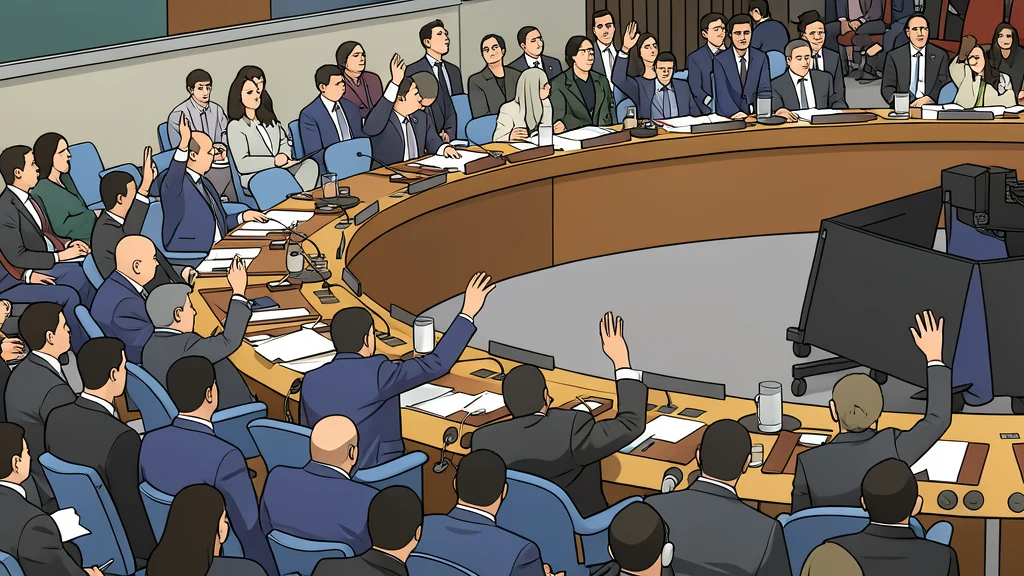
The United States has formally endorsed the political and security progress made by the Syrian authorities, marking a distinct shift in tone during a recent United Nations Security Council session. According to remarks delivered by Ambassador Tammy Bruce, the Deputy Representative of the United States, the administration views the current trajectory as a move toward a stable and unified state. This assessment follows a period of significant diplomatic engagement and reflects a broader commitment to fostering a more interconnected regional environment.
Central to this diplomatic posture is the resolution of long-standing concerns regarding Syria’s nuclear capabilities. The US delegation welcomed the International Atomic Energy Agency’s decision to lift its noncompliance finding against Syria, a status that had persisted for over a decade. By acknowledging the government’s cooperation in disclosing details of the former regime’s clandestine program, Washington aims to reinforce international trust while urging the adoption of additional safeguards protocols to ensure the peaceful use of nuclear technology moving forward.
Nuclear Transparency and Historical Accountability
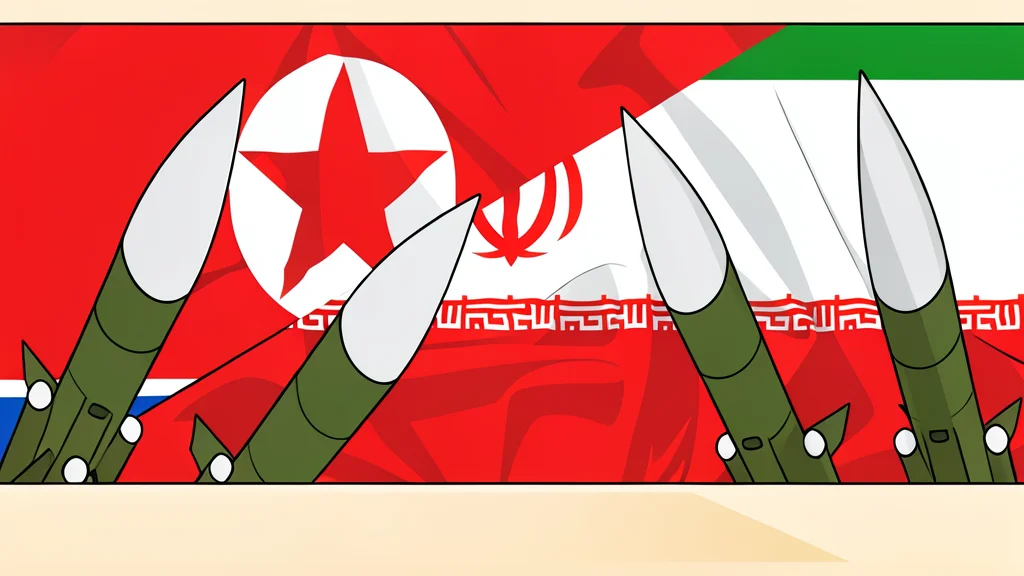
The briefing also served as a platform to revisit the historical context of Syria’s nuclear activities. Ambassador Bruce recalled the 2011 findings by the IAEA, which indicated violations of safeguards agreements under the previous leadership. The US representative asserted that earlier warnings about the development of weapons-grade plutonium were validated by subsequent events, a point raised to underscore the importance of persistent verification efforts. This narrative was framed not merely as a retrospective victory but as a cautionary reminder to other state actors regarding the inevitability of transparency in nuclear matters.
Security Integration and Regional Tensions
Beyond nuclear issues, the US delegation highlighted the integration of the Syrian Democratic Forces into state institutions as a critical step toward national unity. This development is viewed as foundational to the goal of a single army and government. However, the remarks acknowledged ongoing challenges, particularly regarding the escalation of tensions in the Suwayda province. Washington reaffirmed its support for a trilateral roadmap involving Syria, Jordan, and the United States, urging all parties to prioritize dialogue and the safe return of displaced persons to maintain local stability.
The address also addressed the broader geopolitical landscape, calling for restraint in interactions between Syria and Israel. The US stated its intention to continue engaging with both nations and other regional stakeholders to promote peaceful solutions to territorial disputes. This approach aligns with the broader diplomatic strategy outlined by the GN geopolitics desk, which emphasizes the need for consistent engagement over reactive measures. The focus remains on leveraging upcoming multilateral forums to secure commitments that benefit the entire region.
Path Forward for Transitional Justice
Looking ahead, the United States has urged the Syrian government to finalize memoranda of understanding with international mechanisms dedicated to transitional justice. These include the International, Impartial and Independent Mechanism and the Independent Institution on Missing Persons in Syria. The goal is to facilitate the flow of resources and expertise necessary to address the legacy of conflict. By supporting these institutions, the US aims to ensure that the path to stability is underpinned by accountability and the restoration of basic human rights for all citizens.
As the United Nations General Assembly convenes for its high-level week, the focus will likely remain on these diplomatic engagements. Observers will watch closely to see if the momentum generated in the Security Council translates into concrete actions regarding security integration and humanitarian support. The coming weeks are expected to be pivotal in determining the extent of international backing for Syria’s ongoing transformation.