US and Germany Align on NATO 3.0 and Industrial Cooperation
Washington and Berlin signaled a shift toward deeper industrial integration and shared European defense burdens during high-level talks.
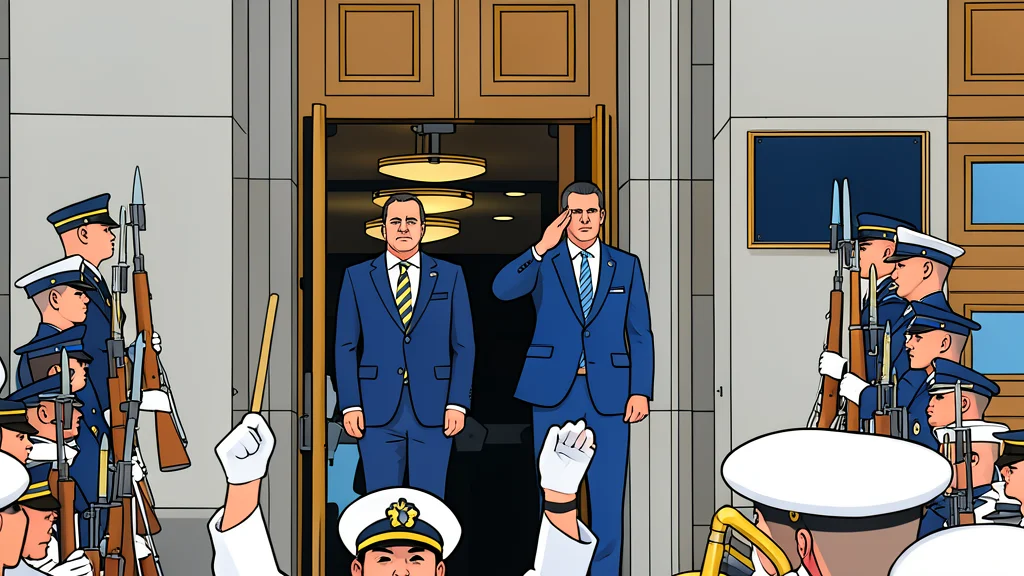
US Defense Secretary Pete Hegseth and German Defense Minister Boris Pistorius convened in Washington this week to advance the framework for NATO 3.0. The meeting focused on strengthening the alliance’s military capabilities and shifting more conventional defense responsibility to European allies, according to the Pentagon.
The discussions marked a significant step in bilateral defense industrial cooperation. Both officials emphasized the need to reduce dependency on US military support while ensuring that European nations meet their increased spending commitments.
Redefining Alliance Responsibilities
Hegseth described NATO 3.0 as a broader effort to increase defense production and strengthen military capabilities across the alliance. Following a review of American troop deployments announced in June, the US Secretary urged allies to take on greater primary responsibility for conventional deterrence in Europe.
Germany’s position aligns with this shift. Pistorius stated that Europe intends to assume a larger share of the burden, noting that increased national defense spending is only the initial step in a wider strategic realignment.
Industrial Integration and Spending
A central element of the talks was the alignment of procurement strategies between the two nations. The officials signed an agreement to synchronize the US Department of Defense’s acquisition transformation with Germany’s Procurement Acceleration Act, according to reports from the GN geopolitics desk.
This alignment is expected to expand opportunities for joint development and licensed manufacturing. Hegseth noted that Germany is moving closer to fulfilling its 5% defense spending commitment made at the Hague Summit, describing the progress as unprecedented.
Future Collaboration Priorities
The forward-looking agenda includes sustained maintenance and sustainment operations across the defense industrial base. The focus remains on creating a more autonomous European defense sector while maintaining strong transatlantic ties.
Observers will now watch how these agreements translate into concrete joint projects and whether other European nations follow Germany’s lead in increasing defense investment and industrial capability.