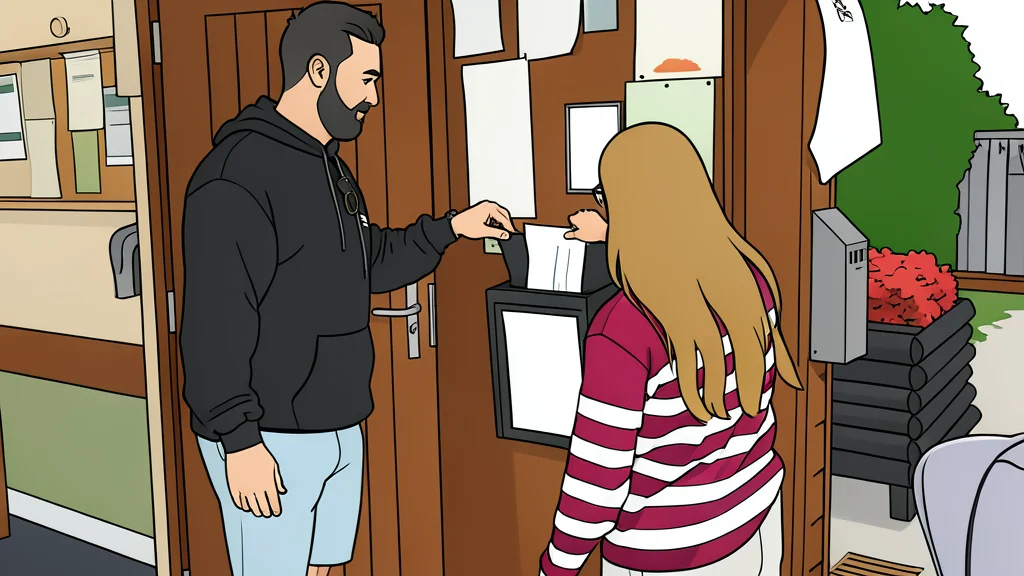
Village in Oxfordshire Stages Symbolic Secession Vote over Asylum Plans
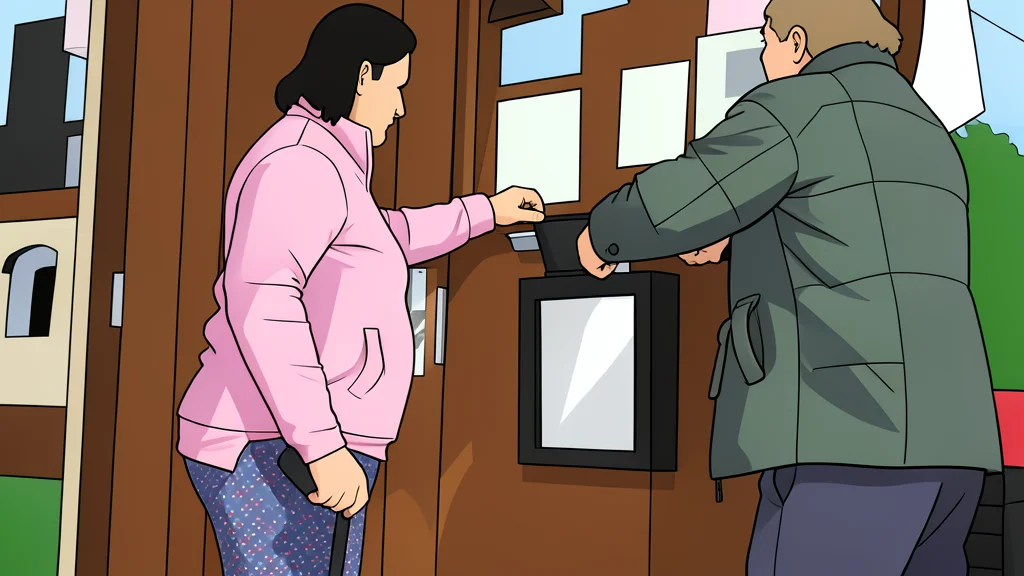
Residents of a small English community have organized a non-binding referendum to protest government plans for a large-scale asylum facility, framing their dissent through a tongue-in-cheek declaration of independence.
In the quiet hamlet of Piddington, just fifteen miles from Oxford, residents recently gathered for a vote that holds no legal weight but carries significant symbolic weight. The community, consisting of only 350 people, staged an 'independence referendum' to express deep concern over government proposals to house more than 1,200 asylum seekers at a nearby disused military site. According to GN geopolitics/migration (en-US), this local action has drawn national attention, transforming a rural dispute into a broader commentary on the UK’s approach to migration and community integration.
The initiative, which draws inspiration from the classic British comedy 'Passport to Pimlico,' allows villagers to cast ballots on a statement supporting secession from the United Kingdom. While the act is explicitly described as a humorous protest, local officials argue it reflects a genuine feeling of being overlooked by the central government. The move highlights a growing tension in rural areas, where the prospect of sudden demographic change is viewed by some as a disruption to traditional ways of life.
Symbolic Protest in Rural Context
Villagers participating in the vote cited a desire to be heard in a manner distinct from other forms of protest. Ian Darby, a local resident, noted that while the community is willing to share the responsibility of housing migrants, the scale of the proposed facility is seen as excessive. The lack of basic amenities in the village, such as a local shop, makes the arrival of a population four times its own size feel overwhelming to many residents.
Tim McNally, chair of the parish council, emphasized that the fear is not directed at the majority of asylum seekers, but rather at the unpredictability of managing such a large influx. He described the situation as 'ground zero' for a national debate, suggesting that the local reaction mirrors sentiments felt across the country. The council is currently considering security measures, including CCTV installations, to address community concerns about safety and order.
Community Concerns Over Infrastructure
Critics of the plan argue that the village’s limited infrastructure is ill-suited to accommodate such a large population. With only a village hall, a medieval church, and a playing field, residents question how the daily needs of over a thousand individuals would be met without straining local resources. The government’s fact sheet states the site will be used for a minimum of ten years for single adult male asylum seekers, a timeline that adds to the sense of permanence rather than temporary relief.
Local women have expressed specific anxieties regarding personal safety, with 133 female residents signing an open letter to parliament. They described a growing sense of fear in their daily lives, stating that their streets no longer feel secure. This sentiment is echoed by younger residents, including a part-time stablehand who has begun taking self-defense classes, indicating that the anxiety is not limited to older generations but affects the broader community fabric.
Broader Political Implications
This local dispute unfolds against a backdrop of rising political polarization over immigration in the United Kingdom. Irregular migration has become a central issue in recent elections, bolstering support for parties advocating for stricter border controls and reduced asylum intake. The symbolic vote in Piddington is part of a wider pattern of community resistance to the placement of asylum facilities in hotels and other temporary accommodations across the country.
As the government proceeds with its plans, the focus now shifts to how these tensions will be managed. The coming months will likely see increased scrutiny of the security arrangements and community engagement strategies. For Piddington, the 'independence' vote serves as a clear signal that without meaningful dialogue and adequate resources, the integration of such a large group into a small rural community remains a deeply contested prospect.