Zakharova Links Finnish Nuclear Steps to Border Proximity Concerns
Moscow argues that recent European moves regarding nuclear deterrence are expanding the geographic reach of such weapons toward Russian borders.
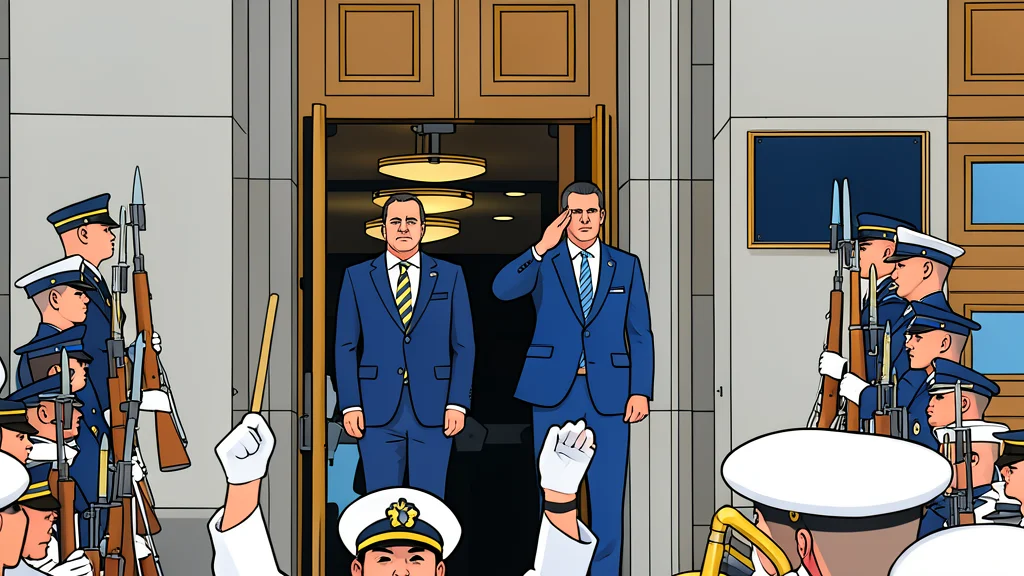
Russian Foreign Ministry spokeswoman Maria Zakharova has accused European nations of expanding the deployment of nuclear weapons closer to Russia's borders. According to statements made during a briefing, these actions are being justified by officials in the West under the pretext of addressing the so-called "Russian threat." The criticism follows recent diplomatic moves by Finland to integrate into an advanced nuclear deterrence project led by France.
Zakharova emphasized that Moscow views these developments as a significant shift in the regional security architecture. She stated that European officials are offering their territory to broaden the geography of nuclear weapons deployment. The Russian official noted that these steps are proceeding despite what she described as a lack of consent from the citizens of those respective countries, framing the issue as a broader geopolitical tension rather than a mere technical adjustment.
Security Implications of Proximity
The Russian diplomat warned that reducing the distance between nuclear facilities and the Russian border could have serious military repercussions. In her assessment, this proximity would broaden the range of means available to Russian forces to destroy such facilities in the event of a conflict. This perspective underscores a longstanding concern in Moscow regarding the defensive capabilities of NATO-aligned states and the potential for rapid escalation in a hypothetical crisis.
According to the GN geopolitics/nuclear (en-US) report, these warnings align with broader Russian criticism of Western security policies. Zakharova linked these moves to what she described as the inability or desire of some European politicians to increase military spending. She accused them of seeking additional funding for defense sectors at the expense of their citizens, framing the nuclear expansion as a political maneuver rather than a purely strategic necessity.
Context of International Forums
These remarks were delivered during the World Youth Festival in Yekaterinburg, a significant international gathering. The event, which runs from September 11 to 17, brings together approximately 10,000 young leaders from 191 countries. The presence of such a high-profile diplomatic venue highlights the continued use of soft power and international forums by Moscow to communicate its stance on security issues to a global audience.
The festival includes 5,000 participants from Russia and an equal number from foreign nations, along with 1,000 teenagers aged between 14 and 17. By making these statements in this context, the Russian ministry aimed to ensure wide coverage and engagement with younger generations on both sides. This approach suggests a strategic effort to shape narratives around European security arrangements and the ongoing disagreements related to the war in Ukraine.
Monitoring European Nuclear Policies
Moscow stated that it is actively monitoring developments related to European nuclear policies. The Russian government believes that recent European steps could increase tensions given the ongoing security disagreements with Western countries. This vigilant posture indicates that diplomatic channels remain strained, with both sides interpreting each other's actions through the lens of strategic competition and historical grievance.
Observers will likely watch for further reactions from European capitals in the coming weeks. The integration of Finland into French-led deterrence projects may prompt additional consultations within NATO and the European Union. The next few months could see a more defined response from Brussels and Paris, potentially leading to further diplomatic exchanges or, conversely, a deepening of the divide between East and West.