Arctic Shipping Corridor Gains Traction Amid Middle East Tensions

As Middle East conflicts disrupt traditional trade lanes, the warming Arctic emerges as a potential alternative commercial highway, though geopolitical and environmental hurdles remain significant.
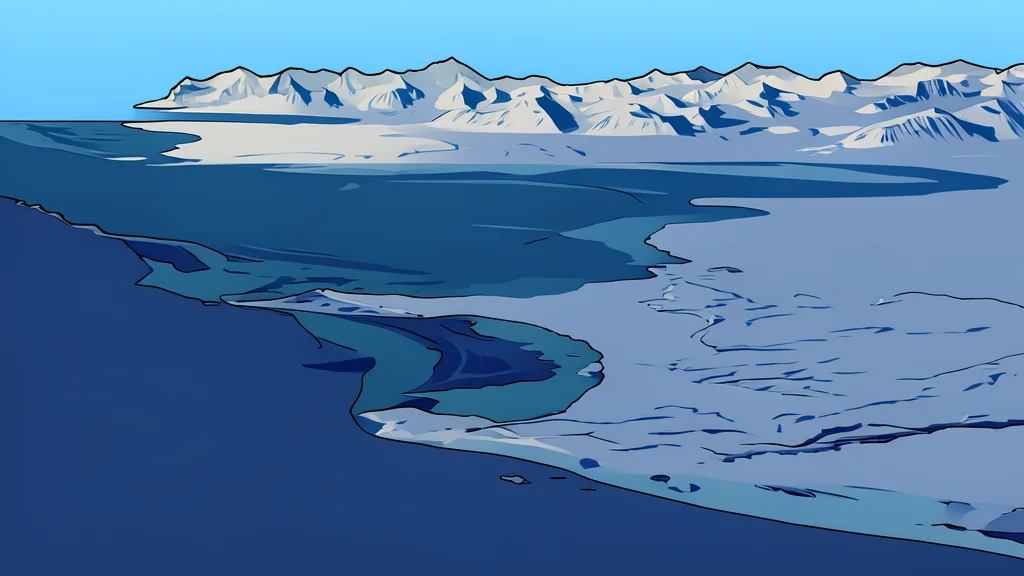
The ongoing conflict in the Middle East has intensified security concerns surrounding traditional shipping routes, particularly those passing through the Bab al-Mandeb strait and the Suez Canal. These critical corridors, which link Asian and European markets, face heightened risks, prompting global traders to explore alternative pathways. Simultaneously, accelerating climate change has reduced sea ice coverage in the Arctic, extending the navigable season and making the northern route increasingly accessible for commercial vessels.
Recent developments suggest that this shift is moving from theoretical discussion to practical application. According to reports from Al Jazeera English, the first South Korean container ship to complete a transit via the Arctic route arrived in the United Kingdom on Saturday. This milestone highlights a growing interest among major economies to diversify their logistics networks. However, whether this route can evolve into a viable long-term alternative to established corridors remains a subject of intense debate among maritime experts and policymakers.
Strategic Implications for Global Trade
The potential commercialization of the Arctic passage carries significant strategic weight. For nations seeking to reduce dependency on chokepoints vulnerable to regional instability, the northern route offers a shorter distance between East Asia and Western Europe. Yet, this advantage is counterbalanced by the complex geopolitical landscape of the region. The Arctic is already a domain of intense competition among major powers, raising questions about how increased commercial traffic might intersect with military interests and territorial disputes.
Analysts caution that while the physical infrastructure for navigation is improving due to melting ice, the regulatory and security frameworks are less defined. The integration of the Arctic into global trade networks could reshape maritime logistics, but it also risks becoming another geopolitical flashpoint. Stakeholders are closely monitoring how international laws and national policies will adapt to the changing realities of high-north shipping.
Environmental and Operational Challenges
Beyond geopolitical complexities, the environmental cost of expanding Arctic trade is a central concern. Increased ship traffic in a sensitive ecosystem could exacerbate local ecological stress. Furthermore, the operational challenges of navigating in high latitudes, including extreme weather conditions and limited rescue capabilities, require substantial investment in specialized vessel technology and port infrastructure. These factors contribute to higher operational costs, which may limit the route's immediate competitiveness compared to established southern paths.
Forward Outlook for Northern Routes
The next few years will be critical in determining whether the Arctic becomes a stable component of global trade or remains a sporadic alternative. Key indicators to watch include the frequency of commercial transits, the development of international regulatory standards for northern waters, and the extent of infrastructure investment by state and private actors. As the world navigates an era of shifting security dynamics and environmental change, the Arctic’s role in global commerce is poised to become increasingly significant.