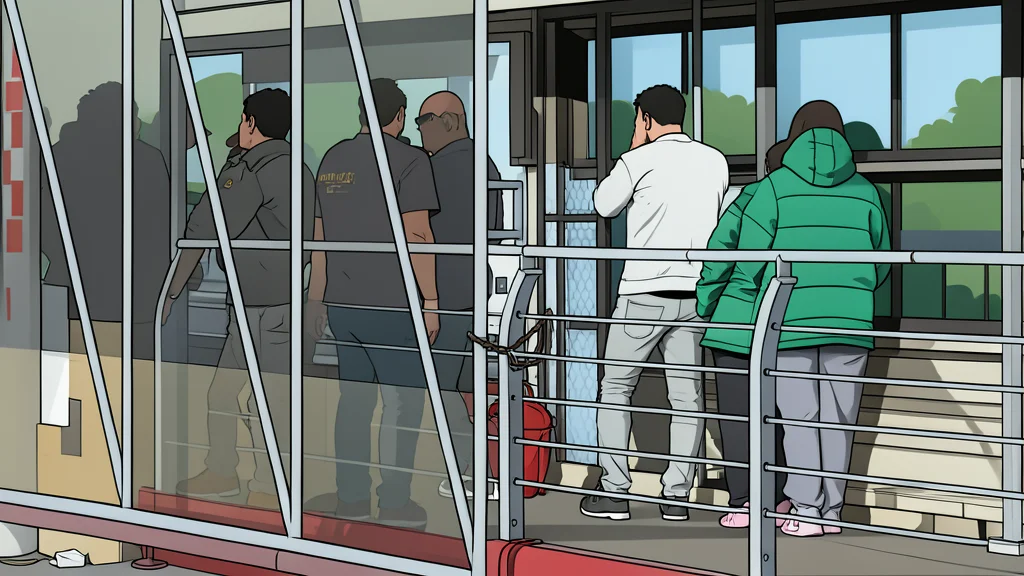
Undocumented Migrants Face Prolonged Hospital Stays in South Korea
A recent study highlights structural gaps in South Korea’s healthcare system that leave undocumented migrants in a limbo of repeated transfers and extended hospitalization after acute treatment.
Undocumented migrants in South Korea are often trapped in a cycle of prolonged hospital stays and repeated transfers between facilities, according to a new case-series study. The research indicates that these individuals face significant barriers to continuing care once their acute medical conditions are stabilized, largely due to the absence of health insurance and legal documentation.
The findings, reported by GN geopolitics/migration (en-US), underscore a critical disconnect between emergency medical services and long-term welfare support. For undocumented patients, the transition from acute care to ongoing medical or caregiving support remains difficult, leading to systemic inefficiencies and significant financial strain on both public and private institutions.
Study Details Patient Experiences
Researchers led by Professor Song Kyoung-jun of SMG-SNU Boramae Medical Center analyzed the medical journeys of six undocumented male patients between 2017 and 2023. All six were Chinese nationals with a median age of 64, and none possessed health insurance, legal representation, or stable housing. Several were living on the streets or in low-cost single-room accommodations, while others had unconfirmed addresses.
The patients presented with serious conditions, including cerebral infarction, hemorrhage, and metabolic abnormalities. Despite successful acute treatment, their lack of mobility and need for continued care created a complex discharge scenario. The researchers noted that the absence of identification documents and caregivers made it nearly impossible to connect these individuals with appropriate welfare services or long-term care facilities.
Structural Barriers Drive Transfers
As a result of these administrative and social gaps, the patients were repeatedly transferred between a private charity hospital and a public medical institution. The median combined length of stay across both facilities was 348 days, with some patients experiencing multiple transfers. This pattern of movement was not driven by clinical necessity but by the inability to secure stable, long-term housing and care arrangements.
The prolonged hospitalizations also led to serious medical complications. Multidrug-resistant organisms were detected in five of the six patients, and several required intensive care. Four patients ultimately died while hospitalized, while the others were eventually transferred to long-term care facilities. The study highlights that public hospitals are often left with no choice but to retain patients for extended periods, straining limited resources.
Proposed Solutions for Care
The research team attributes the issue to structural limitations caused by disconnected healthcare, welfare, and administrative systems. They argue that undocumented migrants fall into a blind spot in institutional support, where financial assistance is difficult to obtain due to their status. To address this, the authors propose the establishment of dedicated case-management teams at public hospitals to coordinate care and discharge planning.
Additionally, the study recommends creating a fund to cover a portion of medical expenses for undocumented migrants. These measures aim to bridge the gap between acute treatment and long-term care, reducing the burden on hospitals and improving outcomes for vulnerable populations. The forward-looking question remains how policymakers will integrate these recommendations into existing frameworks to prevent similar cycles of prolonged hospitalization.