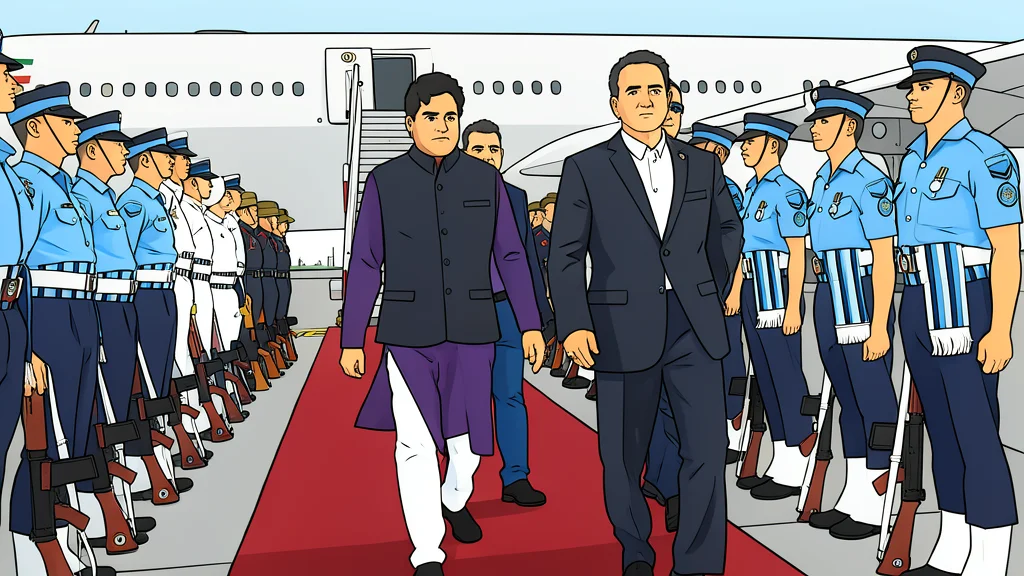
BRICS Declaration Supports India and Brazil in UN Security Council Reform
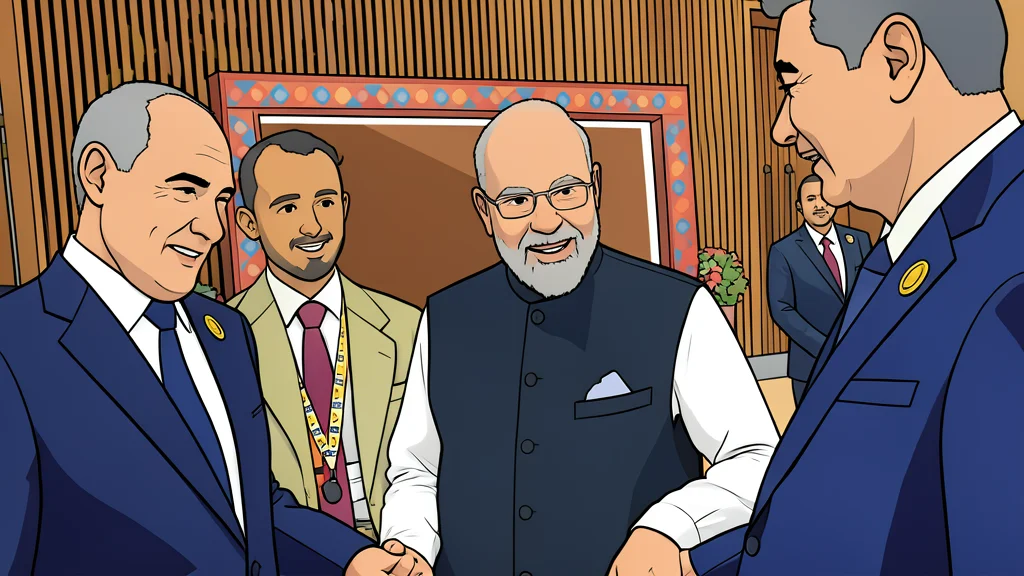
The latest BRICS declaration reaffirms support for comprehensive United Nations reform, explicitly backing the aspirations of India and Brazil for greater roles within the Security Council while emphasizing the need for an amplified voice for the Global South.
The 20th anniversary of the BRICS grouping has produced a declaration that places United Nations Security Council reform at the center of its agenda. According to the document, the bloc supports a comprehensive overhaul of the UN, specifically aiming to increase the representation of developing nations. This move signals a coordinated diplomatic push to reshape global governance structures that have historically favored established Western powers.
In a notable shift, the declaration explicitly mentions the aspirations of India and Brazil for a larger role in the UN Security Council. China and Russia, both permanent members of the Council, reiterated their support for these ambitions. This alignment suggests a strengthening of the bloc's internal cohesion on issues of multilateralism and the desire to make international decision-making more reflective of contemporary geopolitical realities.
Amplifying the Global South Voice
The core of the declaration focuses on the concept of an 'amplified voice of the Global South.' The text argues that the current architecture of international relations fails to adequately represent emerging market and developing countries. It calls for greater and more meaningful participation from nations in Africa, Asia, and Latin America in global decision-making processes, asserting that the status quo no longer reflects the economic and demographic weight of these regions.
Furthermore, the document highlights the persistent under-representation of developing countries at senior levels within the UN Secretariat and other international bodies. It advocates for equitable geographical representation and emphasizes the importance of inclusiveness in the appointment of executive heads. The declaration notes that no woman has ever been elected as UN Secretary-General, calling for a more transparent and inclusive selection process that adheres to the principle of no monopoly on senior posts by any single state or group of states.
Reforming Global Economic Governance
Beyond the Security Council, the declaration addresses the need to reform the Bretton Woods Institutions. As the share of emerging markets in global output continues to grow, the bloc argues that these institutions must become more agile, effective, and representative. The document calls for governance structures that reflect the transformation of the global economy since their establishment, ensuring they are fit for purpose and unbiased in their operations.
According to GN geopolitics/un, this stance reflects a broader commitment to strengthening multilateralism in an era of geopolitical tension and economic downturns. The declaration positions BRICS as a pivotal force in voicing the concerns of the Global South, promoting a more just and stable international order based on international law. It underscores the belief that a multipolar world requires institutions that are responsive to the diverse needs of all member states, not just a few.
Implications for Future Diplomacy
The explicit backing for India and Brazil’s UN ambitions by China and Russia adds a new layer of complexity to diplomatic negotiations. While the declaration frames these efforts as a pursuit of fairness and representation, critics may view it as an attempt to dilute the influence of existing permanent Security Council members. The next steps will likely involve intense bilateral and multilateral discussions as nations navigate these competing interests and seek to define the future of global governance.