China Rejects US Secondary Sanctions Targeting Third-Party Trade
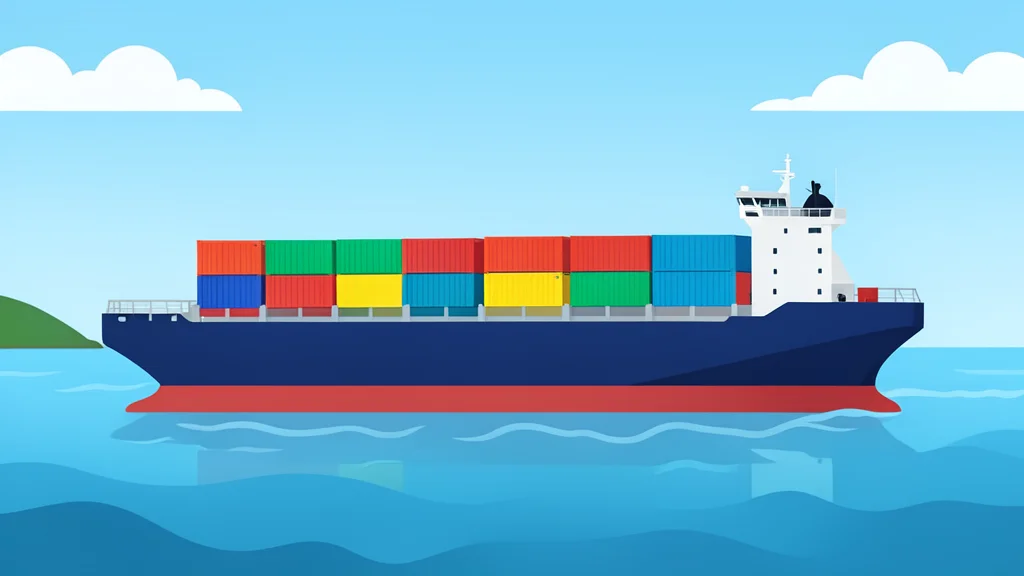
Beijing has formally challenged the legal standing of recent US legislation, warning that unilateral measures undermine global supply chain stability.
Chinese authorities have issued a firm rebuke against recent United States legislation that expands the scope of economic penalties to include third-party nations. According to a spokesperson for the Ministry of Commerce, Beijing views these actions as lacking valid authorization from the United Nations and a foundation in international law. The statement was released on Saturday, directly addressing the enactment of a new bill that strengthens restrictions on Russia and Iran while introducing potential tariffs on countries engaging in trade with Moscow.
This diplomatic friction marks a significant escalation in the ongoing regulatory battle over global trade norms. While Washington seeks to tighten its net around adversaries, China is positioning itself as a defender of multilateral trade principles. The core of the dispute lies in the concept of extraterritorial enforcement, where one nation's domestic laws are applied to commercial transactions between other sovereign states, a practice Beijing argues violates the principle of national sovereignty.
Legislative Basis for Expanded Penalties
The controversy centers on the Lindsey O. Graham Sanctioning Russia and Iran Act, which was signed into law in September. According to reports from Reuters, this legislation not only intensifies existing sanctions frameworks but also authorizes tariffs of up to 100 percent on specific goods imported by third countries from Russia. This mechanism effectively threatens to penalize any nation that continues to purchase Russian oil or natural gas, thereby extending the reach of US policy well beyond its borders and into the domestic markets of neutral partners.
For China, this represents a direct challenge to its energy security and broader economic interests. By linking trade in commodities like oil and gas to severe financial penalties, the US legislation creates a high-stakes environment for global suppliers. Beijing’s opposition is therefore not merely rhetorical but reflects a calculated assessment that such measures could disrupt critical supply lines and destabilize the financial systems upon which its export-dependent economy relies.
Defending Sovereign Trade Practices
In its official response, the Chinese delegation emphasized that its economic engagements are conducted on a basis of equality and mutual benefit. The spokesperson stressed that these partnerships do not target any third party and should not be subject to external coercion. This framing is designed to isolate China’s trading partners from the pressure of Washington, suggesting that any attempt to force a choice between US and Chinese interests is an illegitimate interference in sovereign decision-making processes.
The Ministry of Commerce further stated that it will closely monitor subsequent US actions and reserves the right to take necessary steps to safeguard its national development interests. This language signals a readiness for retaliatory measures if the new tariffs are enforced. By invoking the protection of Chinese companies’ legitimate rights, Beijing is laying the groundwork for potential countermeasures that could include administrative reviews, trade barriers, or diplomatic protests against US firms operating in China.
Implications for Global Supply Chains
The broader impact of this dispute extends to the stability of global industrial and supply chains. According to the analysis provided by GN geopolitics/trade, the risk of fragmented trade blocs is increasing as major powers adopt more aggressive unilateral tools. The call for dialogue and consultation from Beijing highlights the tension between maintaining open markets and adhering to national security priorities. For multinational corporations, this environment demands greater agility in compliance strategies to navigate the conflicting regulatory landscapes of the world’s two largest economies.
Looking ahead, the key question is how Washington will implement the new tariff provisions and whether it will engage in the requested consultations. The coming weeks will likely see a test of diplomatic channels as both sides attempt to manage the fallout without triggering a full-scale trade war. The stability of the global trade order now hinges on whether these competing visions of sovereignty and security can be reconciled or if they will lead to a deeper decoupling of economic systems.