Trump Renews Threat to Destroy Iran Amid Low Polling on War Strategy

Trump renewed threats to obliterate Iran on Sunday, a move drawing scrutiny as polls show most Americans doubt his exit plan.
Key points
- Trump threatened to destroy Iran on Sunday, a statement that drew criticism due to previous strikes on civilian areas.
- A Fox News poll found that 71% of Americans believe the president lacks a plan to end the war.
- Gas prices remain above $4 per gallon, and regional tensions between Houthi rebels and Saudi Arabia are escalating.
President Donald Trump has once again issued a stark threat to destroy Iran, telling a Fox News interviewer that the central question is whether or when he will "blow the entire nation up" if Tehran does not submit to U.S. demands. The comment marks at least the second instance of the president threatening widespread devastation against the Iranian state, a rhetoric that has drawn criticism given prior strikes that reportedly affected civilian infrastructure, including a school in Minab.
These remarks come at a time of declining public support for the administration's handling of the conflict. According to a recent Fox News poll cited by The Independent, 71 percent of Americans believe the president lacks a clear plan to end the war. With midterm elections approaching, this polling data presents a significant challenge for the Republican Party, particularly as economic concerns remain the primary driver of voter motivation.
Polling data reflects public skepticism
The erosion of support is evident across partisan lines. The survey found that six in ten voters view the decision to engage in the conflict as a mistake in hindsight, while only slightly more than a third maintain support for the president's choice. Among registered independents, 83 percent believe the administration lacks a strategy to extract the U.S. from the situation, and four in ten Republicans share that view.
Public sentiment regarding national safety has also shifted. More than 40 percent of voters believe the long-term effects of the war will make the United States less safe, compared to 32 percent who argue it enhances security. This skepticism persists despite the administration's stated goal of preventing Iran from reconstructing its nuclear program, a claim the White House has yet to substantiate with proof of active redevelopment.
Regional instability and economic costs
The conflict has also reignited tensions in the broader region. Fighting has resumed between Iranian-backed Houthi rebels in Yemen and the Saudi Arabian government, threatening to disrupt regional stability. While U.S. and Houthi officials met in Oman to discuss the hostilities, they agreed that neutral and U.S. vessels would not be targeted as long as the United States remained on the sidelines.
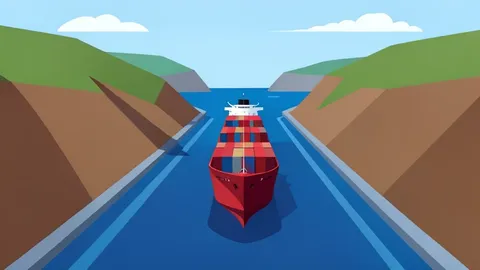
Economically, the war is taking a toll on American consumers. Gas prices remain well above $4 per gallon nationally, with fears that further conflict around the Strait of Hormuz could drive prices higher before the November elections. Pentagon estimates indicate that tens of billions of dollars have already been spent on the war, a cost that is increasingly influencing voter priorities regarding the cost of living and inflation.
Uncertain diplomatic trajectory ahead
Diplomatic prospects remain dim. The U.S. and Iran appear no closer to a deal now than they were in July, when a ceasefire collapsed amid Iranian attacks on shipping vessels in the Strait of Hormuz. With the president facing pressure from both low approval ratings and rising domestic costs, the path forward for U.S.-Iran relations remains unclear and fraught with potential for further escalation.