Faith Groups Urge UN to Defend Refugee Convention Rights
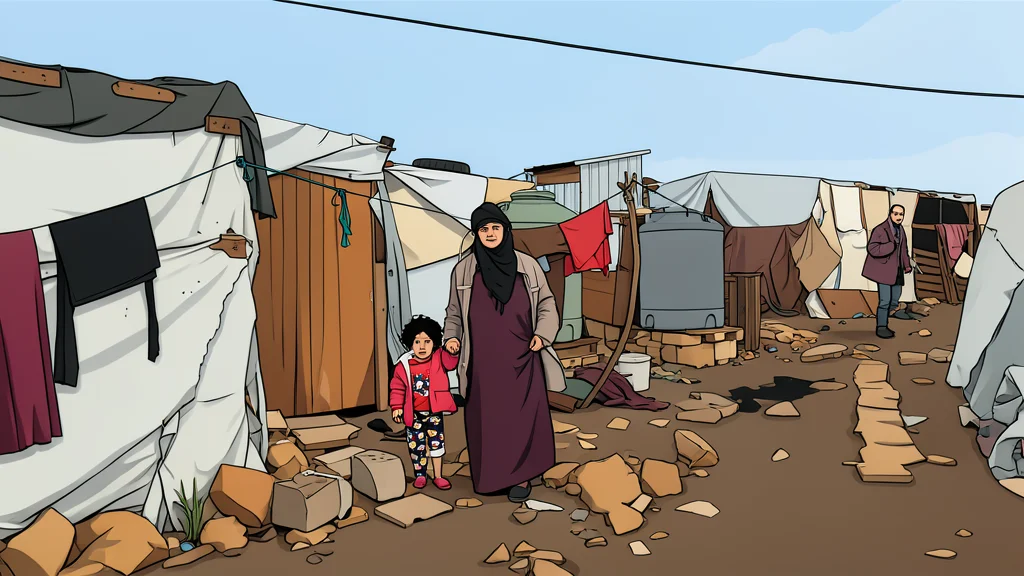
Twenty organizations join Islamic Relief in calling on states to uphold protection standards during the 75th anniversary year.
Key points
- Twenty faith-based organizations, including Islamic Relief, issued a joint statement at the UN General Assembly.
- The group urges governments to uphold the 1951 Refugee Convention and protect displaced persons' rights.
- The statement links modern refugee law to shared ethical principles across diverse religious and cultural traditions.
During the High-Level Week of the United Nations General Assembly, a coalition of twenty faith-based organizations issued a joint statement urging governments to strictly adhere to international refugee protections. The group, which includes Islamic Relief Worldwide, marked the 75th anniversary of the 1951 Refugee Convention by emphasizing the urgent need to uphold the rights of forcibly displaced individuals across the globe.
The signatories expressed deep concern over what they described as widespread human rights violations faced by asylum seekers and refugees. According to the statement, individuals fleeing persecution are increasingly encountering barriers to legal protection, arbitrary detention, and family separation. The organizations argued that these challenges are exacerbated by a global trend of increased militarization, which they contend diverts critical resources away from humanitarian support and durable solutions for displaced communities.
Shared moral foundations across traditions
The statement highlights that the principles underpinning modern refugee law are not solely political constructs but are rooted in enduring ethical values shared across major religious and philosophical traditions. From Islam and Christianity to Buddhism and Hinduism, as well as ancient philosophical schools in China and Greece, the text notes a consistent emphasis on compassion, hospitality, and the inherent dignity of every human being. This continuity suggests that protecting the vulnerable is a universal moral imperative rather than a transient diplomatic obligation.
Islamic Relief and its partners assert that human rights are inalienable and do not depend on nationality or legal status. They argue that the international legal framework established after devastating conflicts serves as a formal expression of these shared moral foundations. By weakening protection systems, states risk not only violating international law but also undermining the common humanity that underpins peaceful societies and international cooperation.
Call for renewed state commitment
In their appeal to the international community, the organizations urged all states to reaffirm their commitment to the Refugee Convention and broader human rights instruments. The statement calls for a response to forced displacement that centers dignity, solidarity, and shared responsibility. It specifically warns that rejecting the rights of refugees amounts to rejecting the shared moral foundations of global society, leading to greater suffering and insecurity.
As the anniversary year progresses, the focus remains on whether diplomatic rhetoric will translate into tangible policy changes. The coalition emphasizes that principled multilateral action is essential to safeguarding the rights of those fleeing violence. The forward-looking question for international observers is how governments will balance security priorities with their legal and moral obligations to protect displaced populations in the coming months.